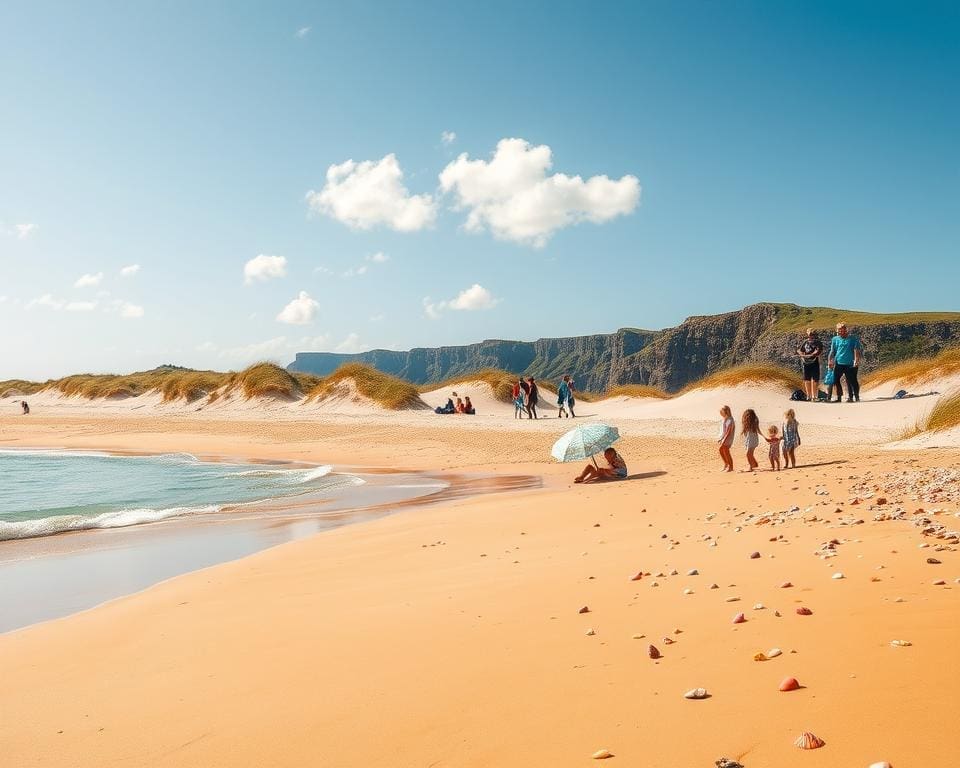

Your next coastal escape could be on the famed Cornwall coast, where wide golden bays sit alongside rugged cliffs and hidden coves. The variety of shorelines means you can choose from family-friendly sands, surf-ready breaks or quiet spots for a dog walk and a picnic.
Cornwall sits at the south‑western tip of Great Britain, bordered by the Atlantic Ocean to the north and west and the Celtic Sea to the south. The north coast is known for stronger surf and dramatic headlands, while the south coast offers sheltered bays and milder conditions. The Lizard and Penwith peninsulas each bring a distinct feel to the Cornwall seaside experience.
Getting to the best beaches Cornwall has to offer is straightforward. Drive via the M5 then the A30, take direct rail services to Newquay, St Ives or Penzance, or fly into Newquay Cornwall Airport. Bear in mind seasonal traffic and busy bank‑holiday peaks when you plan your journey.
Many beaches in Cornwall to visit lie within protected landscapes: Sites of Special Scientific Interest, Areas of Outstanding Natural Beauty and Marine Conservation Zones help conserve wildlife and habitats. Follow the Countryside Code and local signage to keep these places safe for everyone.
Throughout this guide you’ll find which Cornwall beaches suit relaxation, family days, surfing and coastal walking, along with practical tips on tides, safety and amenities. For the wellbeing benefits of coastal walks and to learn how cliffs and beaches can lift your mood, see this piece on nature therapy in Cornwall: nature therapy and cliff walks.
Cornwall beaches: must-visit stretches of sand
Cornwall offers a dramatic coastline that suits every kind of visitor. You will find granite cliffs at Land’s End and slate outcrops near St Ives, wide golden sands at Perranporth and Fistral, plus small shingle coves that reveal rock pools at low tide.
Why Cornwall beaches are special
The landscape mixes bold geology with iconic landmarks. St Michael’s Mount presides over Marazion, Godrevy lighthouse punctuates the headland and the dunes of Gwithian frame long walks. These views make any visit memorable.
Cornwall’s maritime culture adds to the appeal. Fishing villages such as Newlyn and Padstow serve fresh seafood and Cornish pasties that lift a beach day. You will spot grey seals offshore and seabird colonies like guillemots, razorbills and kittiwakes on cliffs.
Best times to visit for weather and crowds
Spring (March–May) brings milder weather and fewer people, which suits quieter holidays. Summer (June–August) is the warmest, the peak for beaches for swimming Cornwall, and the busiest, especially in July and August.
Autumn (September–October) keeps warm sea temperatures and improves conditions for surfing Cornwall. Winter (November–February) offers dramatic skies and peaceful shores, but facilities may be limited and the water turns cold.
Plan mornings or late afternoons to avoid crowds and to catch the best light for photography. Check tide timetables to choose between broad sand at high tide or rock pools at low tide. Take note of surf competitions in Newquay and local regattas that swell visitor numbers.
How to choose a beach for your visit (swimming, surfing, family)
Decide what matters most. For safe bathing, look for lifeguard cover and clear signage. Perranporth and Carbis Bay are popular for gentle gradients and family-friendly sands. Marazion gives superb views but has stronger currents in places—check local advice first.
If you seek waves, head to exposed north and west-facing shores. Fistral Beach in Newquay, Polzeath and Sennen attract surfers year-round. Review surf reports before you go and book lessons if you are new to the sport.
For family days, choose beaches with toilets, cafés and parking. Carlyon Bay and Bude provide facilities and sheltered spots that suit children. Remember many beaches enforce seasonal dog restrictions; Hayle Towans and parts of Gwithian offer year-round access in selected areas.
Accessibility varies. Some beaches have boardwalks, ramps and Blue Flag features near St Ives that help pushchairs and wheelchairs. Check specific site information in this Cornwall beach guide to match access needs with your plans.
Top sandy bays for relaxation and family days
You will find Cornwall’s finest sandy bays where soft sand and safe bathing meet nearby towns and facilities. Pick from Perranporth with its wide dune systems, St Ives’ Porthminster and Porthmeor for art-town charm, Carlyon Bay’s sheltered sands, Bude’s Summerleaze and Gyllyngvase at Falmouth for southern convenience. Each spot offers different wave conditions, sand texture and views to suit a calm family day or a breezy shoreline stroll.
Dog-friendly and family-friendly facilities
Many of these beaches balance pet rules with family needs. Hayle Towans and stretches of Gwithian welcome dogs for much of the year, while Perranporth and St Ives enforce seasonal bylaws. Check Cornwall Council or National Trust pages for up-to-date guidance before you travel.
You will find lifeguard coverage on popular family beaches Cornwall during summer, supplied by the RNLI or volunteer patrols. Bude’s promenade has play areas and attractions, while baby‑changing facilities and public toilets appear at main car parks. Bring a windbreaker and strong sun protection for exposed days.
Parking, accessibility and nearby amenities
Beach parking Cornwall is often pay-and-display and fills fast on sunny weekends. Aim to arrive early or use park-and-ride options near Newquay to avoid delays. Expect seasonal charges in town-centre car parks and limited spaces at smaller coves.
Access varies between sites. St Ives and Falmouth have flat promenades and some ramps. Selected beaches offer beach wheelchairs, Seatrack access or volunteer-run chair schemes. Consult Cornwall Access Guides and RNLI resources for details before you go.
Nearby towns such as St Ives, Newquay, Falmouth, Penzance and Padstow provide shops, surf hire and public transport links. Book accommodation early in high season to secure family-friendly rooms close to the sand.
Seaside cafes, picnic spots and safety considerations
When you need a bite, beach cafes Cornwall range from harbour-side cafés in St Ives to seafood huts in Padstow and casual counters at Perranporth and Bude. Ice-cream parlours and chip shops are common near main car parks and promenades. Pack a picnic and a cooler for more remote bays.
Always check tide times and local signage before swimming. Swim between the flags where lifeguards are on duty and teach children to recognise rip currents. Keep to marked paths to protect dunes and marine plants and take all litter home or use provided bins to help preserve the coastline.
Best surf and watersport beaches in Cornwall
The Cornish coastline gives you world-class waves, sheltered bays and thrilling cliff fringes for every skill level. From Newquay’s competitive breaks to quieter west-coast swells, you can plan days of surfing, SUP and sea kayaking with plenty of hire and tuition nearby.
Beginner-friendly surf schools and hire shops
You will find well-established Cornwall surf schools in Newquay, St Ives and Polzeath that run structured lessons for all ages. Book in advance during summer to secure family sessions and beginner slots.
Hire shops supply wetsuits graded by thickness, boards and buoyant soft-tops. Lessons cover rip awareness, surf etiquette and local hazards so you learn safe skills before heading out alone.
Strong-surf spots and seasonal conditions
Some beaches produce powerful reef and headland breaks. Sennen, Mawgan Porth and Perranporth can deliver heavy Atlantic swells that challenge even experienced surfers.
North-westerly swells favour exposed stretches on the north and west coasts. The south coast stays more sheltered, giving gentler surf for learners. Check forecasts like Magicseaweed and Surfline and consult tide charts before you go.
Other watersports: kayaking, paddleboarding and coasteering
Guided sea-kayak tours run from Padstow, Falmouth and St Ives and explore caves and offshore features. Operators provide lifejackets and trained guides for safety on open water.
Paddleboarding Cornwall options suit calm estuaries and sheltered bays such as the Helford River and Carrick Roads. Inflatable SUP hire makes transport straightforward and opens up gentle paddles for families.
Coasteering Cornwall adventures around the Penwith peninsulas combine climbing, jumps and traverses of rock platforms. Only go with licensed operators who supply PPE and local knowledge of tides and hazards.
- Top spots: Newquay (Fistral) for surf culture, Polzeath for long, user-friendly waves, Gwithian and Godrevy for rippable lines.
- Equipment tip: 2/3mm suits in summer; 4/5mm for colder months.
- Safety: always check local briefings and respect flagged beaches and lifeguard advice.
Hidden coves, wildlife and coastal walks to discover
If you crave quiet stretches, explore hidden coves Cornwall is famed for. Seek out secluded bays near St Agnes, the Roseland Peninsula and St Anthony Head, plus calm shores on parts of the Lizard. Many of these secret beaches Cornwall require a short walk down steep paths, so wear sturdy footwear and check tide times before you go.
Wildlife spotting Cornwall is rewarding along these shores. You may see grey and common seals on north and west coasts, and occasional dolphins or porpoises from headlands. Spring and summer bring thrift and wildflowers on cliff tops and seabird colonies—guillemots, razorbills and fulmars—especially around reserves such as the Fal Estuary and Godrevy.
The South West Coast Path Cornwall gives you access to varied day walks. Choose gentle promenades in St Ives, the Perranporth to St Agnes dune route, or tougher cliff-top sections near Land’s End and Penwith. The Roseland Peninsula offers sheltered circular walks that combine estuary views with sheltered coves for a quieter day out.
To protect these places, follow local signs and respect private access. Keep dogs on leads near nesting birds, use binoculars for close views, and avoid trampling sensitive plants. Check weather and tide forecasts, pack layers, water and snacks, and consult Cornwall Wildlife Trust, the National Trust or Natural England for seasonal restrictions and reserve advice before setting out.