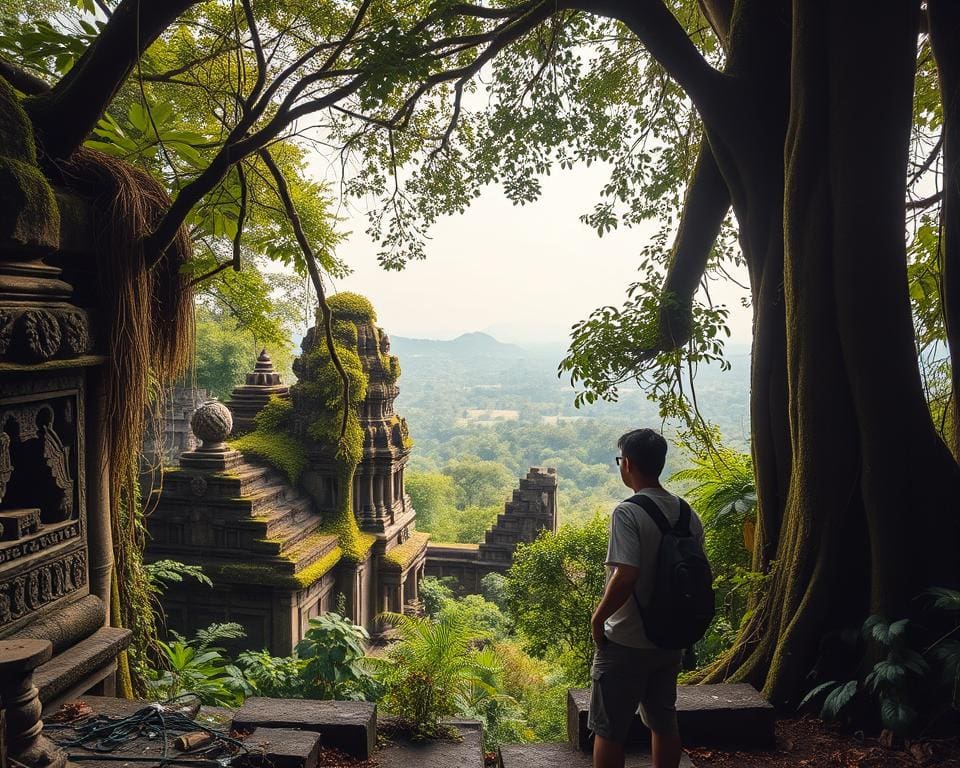

You are about to explore a curated selection of hidden UNESCO sites and off-the-beaten-track UNESCO places that offer calm, discovery and authentic encounters. This introduction sets out what to expect and why you might choose secluded UNESCO World Heritage locations over well-trodden favourites.
By “hidden UNESCO sites” we mean World Heritage Sites that receive comparatively few visitors, sit in remote regions, or are overshadowed by more famous neighbours. Visiting these unique UNESCO destinations gives you quieter heritage travel and a clearer view of local traditions, archaeology and wild landscapes without the bustle.
In the pages that follow, you will find three clear categories: architectural and archaeological gems, natural heritage sites where solitude is easier to find, and living cultural landscapes. Each entry will explain why the site is lesser-known, practical access advice and how to visit responsibly.
We draw on authoritative sources such as UNESCO’s World Heritage List, national tourism boards and conservation bodies like the IUCN to ensure accuracy. For travellers from the United Kingdom, practical notes cover flight and visa basics, seasonal planning to avoid extreme weather, and the benefits of booking with specialist operators or local guides who prioritise sustainable travel.
Choosing secluded UNESCO World Heritage spots often means fewer crowds, deeper engagement with place, a lower environmental footprint and direct support for local communities. If you value culture, history and solitude, these off-the-beaten-track UNESCO choices will reward patient planning and respectful visiting.
Why seek out hidden UNESCO sites for quieter travel experiences
Choosing quieter UNESCO sites lets you savour places with space to think and observe. You can enjoy architecture, archaeology and landscapes without crowds, which improves photography and your sense of connection. The benefits of hidden UNESCO sites extend to preservation, as lower footfall reduces wear on fragile structures and habitats.
Benefits of visiting lesser-known heritage sites
You will find more authentic engagement when numbers are small. Local guides, artisans and custodians have time to share stories and techniques that visitors at busy sites rarely see. Cost and accessibility can also be better; many offbeat locations avoid peak-entry fees and rigid tour schedules.
Examples include visiting Matera in southern Italy in shoulder season for quiet cave-dwelling walks, or exploring Gjirokastër in Albania to study Ottoman-era homes with fewer tourists nearby. These experiences show practical benefits of hidden UNESCO sites for deeper cultural appreciation.
How quieter sites support sustainable tourism
Lower visitor volumes help biodiversity and archaeological conservation by reducing erosion, litter and pollution. Money spent at small guesthouses and family-run cafés tends to stay local, aiding communities rather than international chains. This model aligns with sustainable tourism UNESCO guidance on limits, community-led management and targeted conservation funding.
Supporting small-scale enterprises and following site rules helps safeguard crafts, rituals and living traditions. Your choices as a traveller can make a tangible difference to cultural safeguarding and long-term site resilience.
Planning tips for off-the-beaten-track visits
Start your research with UNESCO listings, national heritage agencies and local tourism boards to confirm opening times and restrictions. For some remote spots, public transport is limited, so factor in car hire or authorised transfers and allow extra travel time for unpaved roads and poor signage.
Travel in shoulder seasons to balance weather and crowds. Book locally-run accommodation and check practicalities such as cash acceptance and medical access. Remember to respect marked paths, follow leave-no-trace principles and consult the UK Foreign, Commonwealth & Development Office for travel advice and visa rules.
If you want inspiration for lesser-known coastal escapes, see a practical example here: hidden beaches near Alicante, which illustrate how thoughtful planning opens up quieter, richer visits.
Hidden UNESCO sites: underrated world heritage gems to visit
You can find striking heritage away from crowded routes. This section points you to underrated UNESCO sites that offer rich stories, quiet exploration and meaningful encounters with history, nature and living culture.
Architectural and archaeological sites away from tourists
You will see fine examples of craft and planning at architectural UNESCO gems that receive few visitors. Sukhothai Historical Park in Thailand rewards early starts with expansive ruins and calm light for photography.
Chan Chan Archaeological Zone in Peru shows large adobe urban planning from the Chimú culture. You should join a guided visit to protect fragile surfaces and learn from trained guides. Bamiyan Valley in Afghanistan remains evocative for its cliff-cut niches and monumental setting, though access can be restricted for safety reasons.
Gjirokastër in Albania offers Ottoman stone houses and a fortress with low tourist density. Follow designated paths and check conservation rules before you go.
Natural heritage sites offering solitude
You can escape into remote natural World Heritage areas where wilderness and solitude shape the traveller’s experience. Socotra Archipelago in Yemen hosts strange endemic trees and demands organised eco-tours to minimise impact.
The transboundary Kluane / Wrangell–St. Elias / Glacier Bay / Tatshenshini-Alsek area spans Alaska and Canada and gives you vast glaciated terrain with few visitors outside specialist expeditions. Simien National Park in Ethiopia presents dramatic highlands and gelada baboons; local guides will help you find quieter trails.
Peripheral zones of Kakadu and the Wet Tropics in Australia contain low-crowd heritage destinations where respectful visits reveal seasonal wildlife and Indigenous knowledge. Prepare for limited services, follow biosecurity rules and leave no trace.
Cultural landscapes and living traditions off the tourist trail
You may prefer cultural landscapes UNESCO listings where people shape the land through long-held practices. In Sintra, Portugal, step beyond major palaces to discover quieter gardens and estates if you visit early in the day.
The Rice Terraces of the Philippine Cordilleras include Ifugao villages that remain less visited than Banaue. You can learn rice-cultivation techniques from local hosts when you choose community stays.
Luang Prabang’s hinterlands in Laos offer peripheral temples and craft traditions maintained by villagers. Fogo Island in Canada presents a resilient cultural landscape of fishing heritage and artist-led projects in a remote island setting.
Seek homestays, attend local events with respect and buy from community cooperatives to support conservation and keep these low-crowd heritage destinations thriving.
How to find and experience hidden UNESCO sites responsibly
Start with authoritative resources when you research how to find hidden UNESCO sites. Use UNESCO’s World Heritage List for official descriptions and protections, and check national tourism boards for transport, access rules and seasonal restrictions. Complement these with conservation groups such as IUCN or BirdLife International and trusted guidebooks like Lonely Planet to learn about site conditions and visitor limits.
Book with care and favour local-guided UNESCO tours to ensure fees and knowledge stay in the community. Pre-book permits and guided visits where required to avoid last‑minute refusals, and choose low‑impact travel — rail and local transfers over multiple short flights where possible. Look for small-group or community-run operators and platforms that vet responsible credentials before you commit.
On site, follow UNESCO and local rules: stay on marked paths, do not touch artefacts and respect restricted zones. Ask before photographing people, observe dress codes, and carry reusable bottles to reduce waste. These sustainable visitation tips protect biodiversity, support conservation and keep cultural exchanges respectful.
Prepare thoroughly for UK travellers: check FCDO advice, confirm seasonal access, ensure insurance covers remote activities and pack sturdy footwear, sun and rain protection, first aid and any permits. Consider longer stays rather than rapid hopping to increase local benefit, and explore hands‑on opportunities such as conservation workshops when they are ethical and community‑led. For practical ideas on combining islands, ferries and flights, see this guide to hidden island gems.