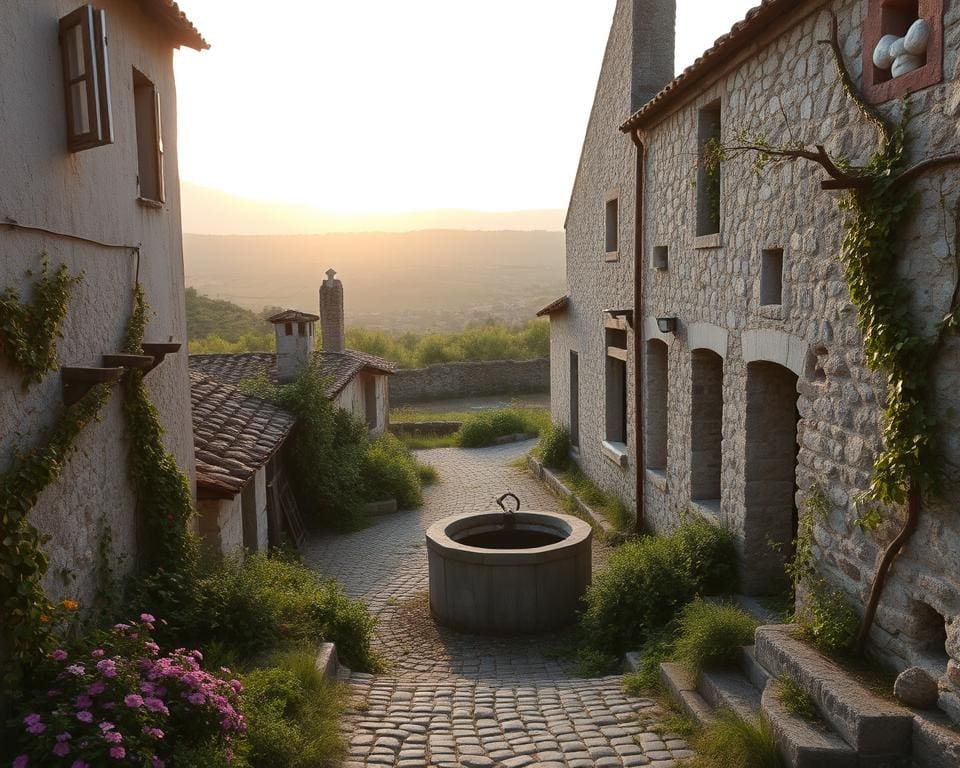

You should consider visiting Portugal abandoned villages because they offer a rare mix of history, landscape and culture that differs from the usual coastal routes. These sites let you step into the traces of rural life, where stone houses, silent streets and overgrown fields tell stories of change.
When you visit abandoned villages Portugal, you gain immersive historical insight and fresh photographic subjects. The silence and wide skies of interior Alentejo and Trás‑os‑Montes create dramatic settings for landscape and portrait work.
Many travellers choose Portuguese ghost villages to support rural tourism Portugal. Your visit can help small communities, encourage restoration projects and sustain local services when done respectfully.
Context matters. Rural depopulation from the mid‑20th century, urban migration, mechanisation of farming and economic shifts after the Carnation Revolution and EU membership left some settlements empty. That history explains why abandonment varies: some places are fully derelict, others semi‑occupied or being reclaimed, like the partly restored village of Monsanto.
This article is aimed at UK travellers who want off‑the‑beaten‑track experiences: photographers, history enthusiasts, hikers and responsible visitors. If you plan to visit abandoned villages Portugal, this guide will show what to expect and how to do so respectfully.
Discover the allure of Portugal abandoned villages
You will find a quiet, compelling world in Portugal’s abandoned villages. Travel here to see how landscape, weather and memory shape places once full of life. The mix of decay and care tells a complex story that rewards close attention.
Historic atmosphere and architectural remnants
Expect stone houses, whitewashed facades and terracotta roofs in many hamlets. In the north you will notice granite constructions and schist villages. In Alentejo you will find mud-brick and stone buildings. Look for ruined chapels, communal ovens, cisterns and agricultural terraces that mark past labour.
These architectural ruins Portugal reveal everyday routines. Small courtyards, outbuildings and livestock shelters point to olive groves, cork harvesting, cereal fields and pastoralism. Irrigation channels and terraces show how people shaped steep and arid lands for food production.
Preservation varies. Some structures are fragile from weathering and invasive vegetation. Others have been stabilised by municipal camaras or private initiatives. Villages such as Monsanto, Piódão and Aldeia da Mata offer visible examples of different states of care and decay.
Unique photo and storytelling opportunities
Portugal ghost towns photography attracts photographers and writers for good reason. Interiors catch dramatic light, and textures of decay create striking contrasts. You will find doorways, staircases and collapsed roofs that make strong compositions.
Seek religious iconography in chapels, panoramic landscapes and small traces of daily life like rusted tools or faded signage. Seasonal conditions change mood: mist in winter, golden light in autumn and sharp shadows in summer.
Be ethical with your images. Respect private property, avoid moving objects and do not enter unstable buildings. In semi-occupied villages, be mindful of residents and ask permission before close work.
For storytelling, gather oral histories from nearby inhabitants and consult parish records. Local museums and municipal archives often hold useful documents on migration and land use that enrich any narrative.
Preservation, mystery and local legends
Abandonment breeds folklore. You will hear tales of haunted houses, lost festivals and events that triggered decline such as epidemics or economic shifts. Chapels tie many stories to saints, miracles and communal memory.
Preservation efforts come from varied sources. Community groups, NGOs and Direcção-Geral do Património Cultural (DGPC) sometimes list or protect sites. Turismo de Portugal and regional boards offer further guidance on documented locations.
Tension exists between conserving heritage and letting places decay. Tourism can bring funds and revive a village through rural tourism, artist residencies and eco-projects. It can also risk commodifying fragile sites, so support projects that work with local communities.
For deeper research, consult municipal archives, academic studies on rural depopulation and local history centres. These sources will help you understand the full context behind rural legends Portugal and the long arc of abandonment.
Practical visitor information and sustainable travel tips
Before you set off, plan the route and timings for visiting abandoned villages Portugal. Many sites sit inland and need a car or organised tour to reach them from Lisbon, Porto, Coimbra, Évora or Bragança. Rural lanes can be narrow and unpaved; a 4×4 helps after heavy rain. Download offline maps such as Google Maps areas or Komoot and check municipal websites for access updates.
How to reach abandoned villages and transport options
Hire a car for the most flexibility, especially when exploring remote clusters of ruins. Regional buses run to some towns but services are limited. Consider guided day trips or private drivers from reputable tour operators when you prefer no driving. For short distances and gentle terrain, cycling can be rewarding.
Use route-planning tools and carry a paper map as backup. If you wonder how to reach Portuguese ghost villages from major hubs, ask local tourist offices in Lisbon or Porto for suggested itineraries and seasonal tips.
Safety, permissions and responsible exploration
Respect signage and property boundaries because many ruins lie on private land or protected municipal territory. Seek permission where required from the câmara municipal or the local junta de freguesia. Hire a local guide if you need context and safe access.
Safety abandoned villages means you should avoid entering unstable buildings. Wear sturdy footwear, carry a torch, a basic first-aid kit and enough water. Do not remove artefacts, avoid graffiti and leave no trace. These actions are part of responsible travel Portugal and protect fragile heritage and wildlife.
Local services, where to stay and seasonal considerations
Choose accommodation that supports rural communities: turismo rural, pousadas, small hotels in nearby towns and agritourism properties. Some restored villages offer guest rooms. Think about where to stay near Portugal ghost towns and book early in spring and autumn when demand rises.
Support local services by eating at taverns, buying olive oil, cheese or cork goods and hiring local guides. Expect limited mobile signal in remote areas, carry cash for small establishments and plan visits during daylight for safer exploration. For longer island trips or route ideas, see a practical guide to island travel at island-hopping adventures.
Reasons to include abandoned villages in your Portugal itinerary
Including abandoned villages in your Portugal itinerary deepens your sense of place. These sites offer solitude away from Lisbon and Porto, where silence is broken only by birdsong and the creak of old shutters. Walking among crumbling stone and weathered doorways gives you tactile contact with history and panoramic views across cork oak and olive landscapes that are hard to find on standard tours.
Visiting ghost villages travel Portugal helps you learn about the country’s social past. You will see traces of migration, changing agricultural practices and demographic shifts that shaped modern Portugal. Pairing visits with a stop at the Museu de Évora, a local ethnographic centre or a guided talk in Trás-os-Montes brings context and makes a Portugal rural itinerary far more meaningful.
For practical planning, add these offbeat Portugal attractions as day trips from regional bases such as Évora, Guarda, Bragança, Coimbra or Castelo Branco, or as deliberate stops on a longer road trip through the interior. Combine explorations with hiking, wine or olive-tasting routes and stays in turismo rural to balance quiet reflection with local hospitality.
Finally, thoughtful visits support sustainable tourism. Choosing local guides and rural accommodation, following low-impact rules and sharing stories respectfully helps conserve these places and bolsters rural economies. Make abandoned villages part of your travel plan to gain unique, contemplative experiences and a tangible link to Portugal’s rural heritage.