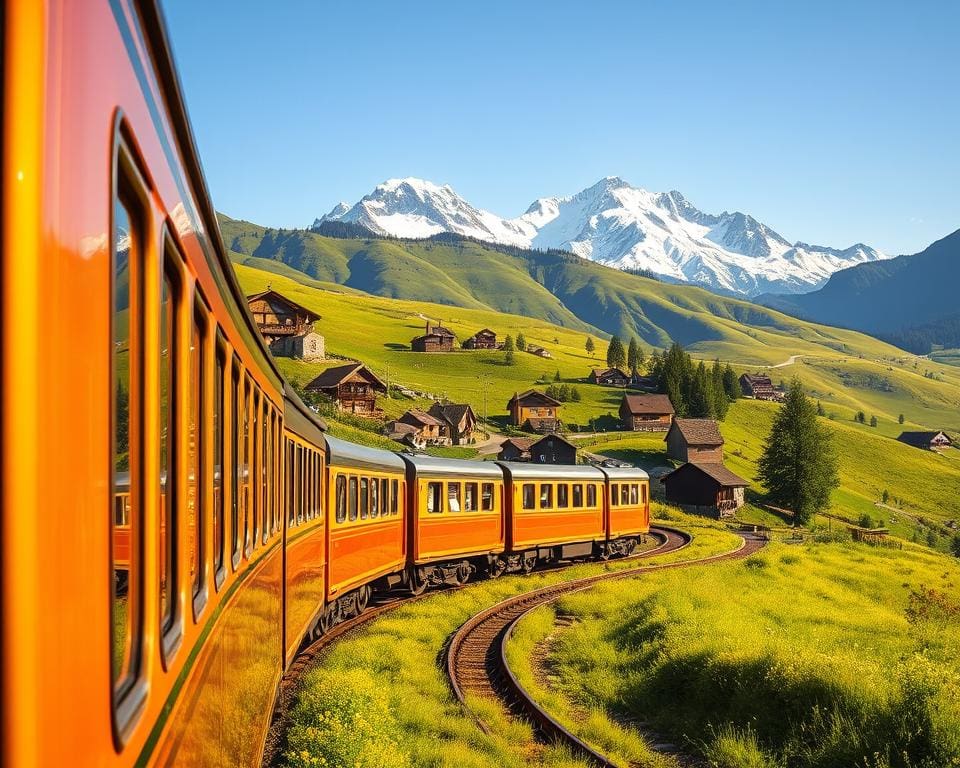

You are about to explore the most breathtaking scenic train journeys across Europe, from alpine panoramas to coastal fjords and historic lines. This guide highlights the best European train routes and explains how scenic rail travel Europe can transform a simple transfer into a memorable adventure.
Whether you plan panoramic train trips like the Glacier Express or Bernina Express, or coastal services such as the Cinque Terre line and Norway’s Flam Railway, this article helps you choose routes that suit your interests and season. It is written for UK travellers seeking practical advice on train travel UK to Europe, family-friendly options, photography stops and flexible itineraries.
Information is drawn from official operators such as Swiss Federal Railways (SBB), Rhaetian Railway and Vy, plus Visit Norway and Switzerland Tourism, and trusted travel guides like Rail Europe and Lonely Planet. You will find up-to-date booking tips, accessibility notes and timing suggestions, along with route highlights including Bryggen waterfront, Aurlandsfjord and the Troll Wall.
Each subsequent section breaks down essentials: an introduction to scenic rail travel, iconic mountain routes, coastal and fjord lines, and historic lesser-known journeys. For a focused look at Norwegian fjord routes, see a practical overview at this Norwegian scenic trains reference and planning page: Scenic train rides through Norway’s landscapes.
Use this guide to plan panoramic train trips that match your timeframe, budget and travel style, and to discover the best European train routes for unforgettable views and easy connections across the continent.
scenic train journeys across Europe: an introduction for your adventure
Rail travel turns the journey into the highlight. You can watch valleys, coastline and mountain faces glide by without the strain of driving. Many routes feature panoramic windows or observation carriages on services such as the Bernina Express and Glacier Express, which bring the rail sightseeing benefits to the fore.
Choose rail and you often reach places that roads cannot. Mountain cog railways and narrow‑gauge lines access high‑altitude viewpoints and remote villages. The convenience of direct links between major hubs makes sustainable travel by rail an attractive option from London or Paris when you plan onward connections to Switzerland, Austria or Italy.
Why you should choose rail for sightseeing
You get comfort and easy logistics on long days. Reclining seats, dining cars and Wi‑Fi on many services make long legs easier. Luggage allowances simplify multi‑stop itineraries compared with short‑haul flights and extra transfers.
Scenic trains often stop at village stations where you can step straight into trails or viewpoints. Lines such as the Rhaetian Railway and the Jungfrau Railway reach alpine areas that remain off most road maps. Booking seats in advance secures the best views for photography and quiet moments.
When to travel for the best views
Peak summer offers lush valleys and long daylight, though crowds rise and fares climb. Autumn produces dramatic colours on alpine and forested routes, ideal for photographing lines like the Bernina Express.
Winter delivers snowy panoramas and festive markets, with many cog railways operating year‑round. Spring brings wildflowers and fresh water from melting snow, though expect some shoulder‑season timetable changes and occasional closures.
Practical tips for planning your trip
Plan your time wisely. Aim to keep travel under three hours each way for weekend breaks when possible. Check timetables and allow buffers for connections and delays. Use operator sites such as Swiss Federal Railways (SBB), Trenitalia and ÖBB for accurate schedules and seat reservations.
- Book popular panoramic trains early; many require reservations in addition to tickets.
- Compare fares on platforms like Trainline and consider rail passes versus point‑to‑point tickets during train trip planning Europe.
- Pick seats to match the scenery; research which side faces mountains or coastline for the best shots.
- Pack layers, waterproofs and spare batteries for cameras; bring charging leads and a power bank.
Check accommodation lead times and book hotels four to eight weeks before busy weekends. For greener weekend options, combine trains with car share, coach or ferry services when you choose sustainable travel by rail. For quick weekend planners, this practical guide offers time budgeting and packing lists that link well with scenic train journeys.
Iconic alpine and mountain train journeys with unforgettable vistas
You will find some of Europe’s most striking scenery on high mountain lines that stitch valleys to peaks. These routes blend engineering with wild landscapes, making alpine train journeys a highlight of any travel plan. Book early for popular services and check timetables for seasonal adjustments.
Swiss panoramic trains set the benchmark for comfort and views. The Glacier Express runs between Zermatt and St Moritz, crossing dozens of bridges and tunnels while offering panoramic coaches. The Bernina Express from Chur to Tirano is World Heritage listed and thrills with steep gradients and sweeping viaducts. For sheer altitude, the Jungfrau Railway climbs to Jungfraujoch and the Gornergrat Railway frames Matterhorn vistas.
Your itinerary can include narrow-gauge and heritage options in neighbouring regions. Dolomites train routes around Bolzano and Cortina d’Ampezzo link to cable cars and buses, revealing jagged limestone peaks and flower-rich meadows. In Austria, ÖBB and regional services traverse the Semmering area and Salzkammergut, where historic viaducts and lake views reward travellers on Austrian scenic railways.
Look out for mountain cog railways when you plan summit access. Rack systems deliver steady climbs and let you step ashore at high viewpoints without a strenuous hike. Reservations are often required for panoramic coaches, so consult operator sites for fares and combined passes that may include cable cars and local buses.
Pack with altitude and comfort in mind. Layerable clothing, a windproof and waterproof outer layer, warm mid-layers, hat and gloves will keep you comfortable at cooler summits. Sturdy walking shoes help if you want to explore station viewpoints.
Health and safety matter on high routes. Allow time to acclimatise if you are sensitive to elevation, keep hydrated and seek medical advice if you have respiratory or heart conditions. Carry travel insurance that covers mountain activities and bring printed reservations in case card machines are unavailable at remote stations.
For photography, carry a wide-angle lens for sweeping panoramas and a telephoto for distant peaks. A polarising filter will deepen skies and cut glare from snow. Cold drains batteries quickly, so pack spares and keep them warm.
Coastal and fjord train routes that connect sea and scenery
Coastlines and fjords bring a different kind of rail magic. You can move from mountain plateaux to the water’s edge in a single day and watch landscapes shift from rugged cliffs to calm harbours. These lines make coastal train journeys more than transport; they turn travel into a viewpoint for shorelines, islands and seaside towns.
Norwegian fjord trains and coastal panoramas
You should not miss the Flåm Railway for dramatic descents into Aurlandsfjord and timed links with fjord boat trips. The Bergen Line gives a wide change of scenery as it travels from Oslo across high plateaux to the west coast. Rauma Line offers close-up views of the Trollveggen and valleys that open toward coastal villages.
Vy operates many services, while Fjord1 and local ferry firms connect rail with water. Check seasonal timetables and pre-book popular boat excursions to avoid disappointment on peak days.
Atlantic and Mediterranean coastal routes
The West Highland Line runs from Glasgow to Mallaig and includes lochs, moorland and sea approaches with ferry links to the Isles. In Italy, short regional services such as the La Spezia–Levanto trains stitch together the Cinque Terre villages for immediate seaside views.
Southern Portugal and Spain have regional lines along the Algarve and Costa routes that hug beaches and fishing towns. Coastal Italy routes near Naples and Salerno give glimpses of the Mediterranean, while combined rail and ferry options boost the panorama.
Be aware that Atlantic coastal railways and Mediterranean coastal trains can be very busy in high season. Travel early or late in the day for gentler light and fewer crowds.
Combining train travel with boat or ferry excursions
Many fjord and coastal itineraries are designed as multi-modal trips. The Flåm Railway links to boat services on Aurlandsfjord and Nærøyfjord, creating classic train and ferry combinations for sightseeing.
- Look for integrated tickets that bundle rail and boat fares in Norway and other parts of Europe.
- Match timetables carefully where services are infrequent or subject to weather delays.
- Check baggage rules for ferries and pack light if you expect multiple short crossings.
When you plan, factor in transfer times and book popular excursions in advance to make the most of scenic seaside rail routes and smooth connections between trains and boats.
Historic and lesser-known scenic routes offering cultural charm
If you prefer quieter journeys, choose historic scenic train routes that weave culture with countryside views. Lines such as Portugal’s Douro Valley (Porto–Pinhão) and Spain’s Transcantábrico show how rail travel can link vineyards, riverside estates and mountain scenery. These lesser-known rail journeys Europe deliver relaxed pacing and plenty of opportunities to step ashore and explore towns, markets and tasting rooms.
The appeal goes beyond scenery. The Semmering Railway in Austria is a UNESCO-listed example of 19th-century engineering you can savour, while the West Highland Line in Scotland connects whisky regions and heritage stations. Heritage railway Europe offerings and narrow-gauge lines like Poland’s Bieszczady provide pastoral views and a strong sense of place that you won’t find on high-speed services.
Plan practically: many scenic countryside trains run seasonally and with limited frequency. Check national operators such as CP – Comboios de Portugal, Renfe and PKP, and book accommodation in small towns early. Choose slower local services when you want interaction with communities, and look out for steam or themed excursions that highlight regional craft, cuisine and history.
Balance is key. Blend blockbuster panoramas with these cultural rail travel experiences for a richer itinerary. Verify visas and travel advice for UK travellers post-Brexit, arrange appropriate insurance and confirm cross-border requirements so your focus stays on the landscapes, local life and historic charm you set out to discover.