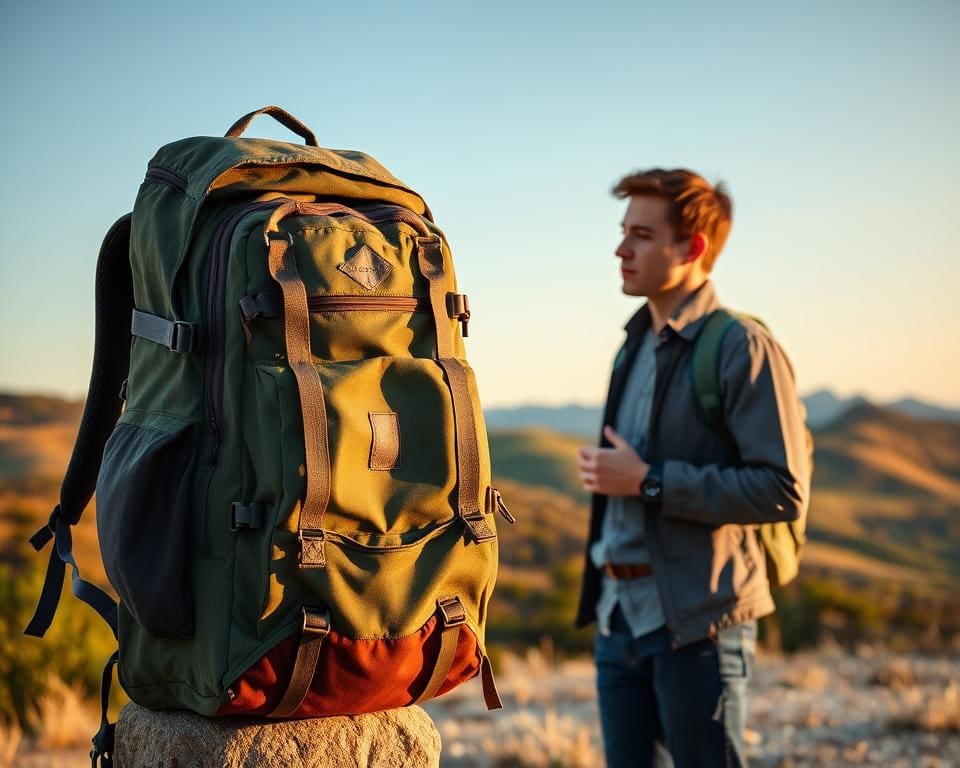

You’re planning a trip and want a travel backpack that fits your body, itinerary and budget. This short backpack buying guide shows you how to choose travel backpack options that suit weekend breaks, long-term backpacking, business trips and life as a digital nomad in the UK.
First, decide what you need from your travel gear. Think about trip length, packing style and the climates you visit. That frame will narrow capacity, material and organisational features so you avoid overpaying for extras you won’t use.
Next, focus on comfort and fit. A well-fitting pack feels light even when full. You will learn how to test sizing and weight distribution in later sections so you leave home confident and comfortable.
Finally, this article points you to durable brands and sensible maintenance so you buy the best travel backpack UK shoppers can trust. Use this guide to convert what you learn into a confident purchase that keeps your kit secure and easy to access on the move.
Understanding your travel needs and style
Start by thinking about how you move and what you carry. Your travel style shapes the features you need. A commuter who cycles will prize a secure, ventilated back panel. If you fly often, a carry-on compatible trip duration backpack can save time at the gate.
Trip types and duration
Distinguish day trips, weekend breaks, multi-week holidays and long-term backpacking. Capacity needs increase with trip length. Aim for 20–35L for city days, 35–50L for several nights, and 50–70L for extended or multi-climate travel. Many travellers favour a 40–45L pack as a versatile compromise.
Check carry-on rules for British Airways, easyJet and Ryanair before you buy. If you need a carry-on-friendly option, consider a short trip backpack with a clamshell opening and luggage pass-through.
Packing style and essentials
Decide whether you prefer minimalist packing or a fuller kit. Capsule wardrobes with laundry stops make a minimalist packing approach easier. Photographers and outdoor enthusiasts need extra space for kit and protective cases.
List essentials: clothing rotation, toiletries, electronics such as a 13″ or 15″ laptop, chargers and a power bank, first-aid items and travel documents. Use packing cubes or roll clothes to compress volume and keep items organised.
Compression straps on the bag help reduce bulk and improve stability. A short trip backpack suits light overnight travel. For longer stints, a long-term travel backpack with better support and capacity is wiser.
Destination and climate considerations
Match materials and waterproofing to the weather you expect. Rainy, humid climates call for higher water resistance and quick-dry fabrics. For trekking or remote work, choose reinforced seams and abrasion-resistant Cordura or robust polyester.
Think about local safety and culture. Low-profile colours help avoid unwanted attention in crowded cities. Bright colours aid visibility on remote trails but can be less discreet in urban areas.
For balanced choices and further practical tips on testing and features, consult a detailed guide such as how to choose the perfect backpack for work and.
Key features to look for in a travel backpack
Choosing a travel pack means balancing size, comfort and durability. Start by checking backpack capacity against your trip length and airline rules. For cabin trips, verify external dimensions and weight limits; a typical cabin bag is about 55 cm x 40 cm x 20 cm and usually falls within 7–10 kg limits. If you want flexibility, seek expandable designs or a detachable daypack that doubles as a weekend bag. For more on cabin-friendly options, see this guide: cabin luggage advice.
Comfort matters every mile. Look for padded shoulder straps, a contoured hip belt and an adjustable sternum strap to improve backpack comfort and shift weight to your hips. A pack with an adjustable torso length or gender-specific cuts from Osprey, Deuter or Arc’teryx will fit better. Mesh back panels and airflow channels reduce sweat on warm days and help on longer walks.
Material choice affects weight and lifespan. High-denier nylons such as Cordura or 500D fabrics give abrasion resistance while lighter 200D–420D nylons cut weight. Check zips and buckles; YKK zips and reinforced grab handles extend service life. For wet climates, a water-resistant backpack with DWR coating, taped seams or an included raincover keeps kit dry. Brands such as Samsonite, Patagonia and Gregory often offer strong warranties and good aftercare.
Organisation makes packing efficient. Prefer panel-loading packs for easy access and top-loading if you want lighter weight. Look for a dedicated laptop sleeve, passport pocket and external water-bottle pockets. Mesh internal pockets and quick-access compartments speed up security checks. Good backpack organisation will include lockable zipper pulls and external lash points for crampons or a mat.
Consider the frame type and hardware together. Internal or aluminium frames add structure for heavy loads, while frameless designs keep weight down for city travel. Check strap anchors and buckle quality before you buy. Thoughtful design choices help you get the most from your pack on every trip.
Choosing the right travel backpack for you
Picking a travel pack is more than looks. You want a backpack that suits your body, your trips and your security needs. Start by knowing how you travel and what you carry most days.
Fit and sizing: testing the pack
When you can, try backpack models in-store. Bring the items you usually carry or use shop sandbags to simulate load. Walk, bend and climb stairs to feel how the pack moves with you.
Set the hip belt so most weight sits on your hips. Shoulder straps should cradle your shoulders without digging in. Check that the top of the pack does not rise far above your torso.
Use manufacturer sizing charts for torso length and hip measurements. If you need help, ask a fitter at Ellis Brigham, Cotswold Outdoor or an REI-affiliated store to confirm the right backpack fit.
Weight considerations and packable weight limits
Keep base weight low to stay agile. Lightweight fabrics reduce carry strain yet may trade off some durability. Know your pack weight limits before you load up for long walks or multi-stop tours.
A common rule for sustained walking is to carry about 15–20% of your bodyweight. For urban travel many aim for under 10kg total. Use compression straps and load lifters to keep the centre of gravity close to your back.
Security and theft-deterrent features
Choose pockets that close securely and offer RFID protection for cards and passports. Look for lockable zips and hidden compartments for valuables.
If you worry about pickpockets, consider an anti-theft backpack from brands such as Pacsafe. Features like slash-resistant straps, eXomesh cages and low-profile design help keep attention low in crowded places.
Keep essential documents and devices in pockets you can reach but close securely. For higher-risk areas wear a concealed money belt or neck pouch to add an extra layer of protection.
You can read more on sizing, security and practical packing advice at how to choose the right suitcase, then use those principles to match a pack to your journeys.
Buying tips, brands and maintenance
When you buy travel backpack, set a budget but make fit and comfort your priority. Try a pack with realistic weight in a shop to check harness fit and hip-belt support. Read recent reviews from UK retailers and specialist sites to confirm real-world comfort and longevity before you commit.
Look to the best travel backpack brands for reliable options: Osprey for fit, Patagonia for durable materials, Deuter for ventilation, and Arc’teryx or Gregory for premium ergonomics. For city trips, consider Pacsafe for anti-theft features. Check model availability and try before purchase, and verify the backpack warranty and return policies at your retailer.
Simple care will extend the life of your pack. For backpack cleaning, spot-clean with mild soap and water and hand-wash only if the manufacturer allows. Reapply DWR treatments from Nikwax or Granger’s to restore water repellency, and store the pack dry and uncompressed to protect foam and zips.
Before you finalise the purchase, confirm capacity and airline compatibility, test the fit with realistic weight, inspect zips and buckles, and note repair options. If you want further guidance on lightweight but durable luggage choices, see this useful resource on shell and soft-case benefits at lightweight luggage options. Proper backpack maintenance and a strong warranty make the difference on long trips.