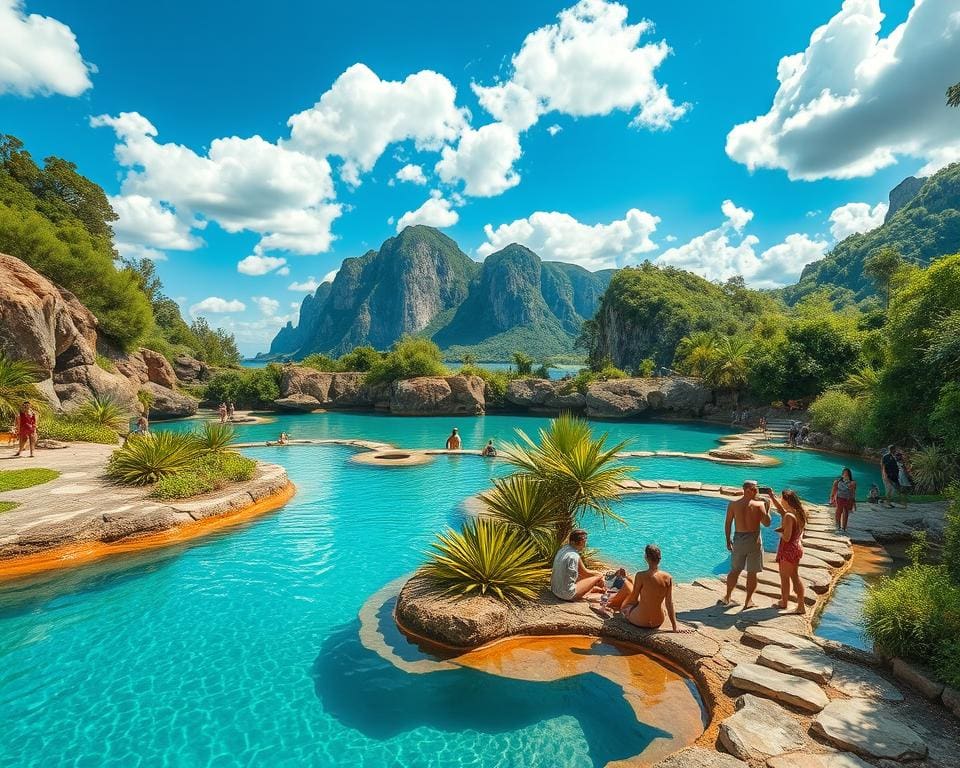

You’re about to explore a carefully curated guide to the world’s most extraordinary natural swimming pools. This long-form feature points UK-based and international travellers to unrivalled nature swims — from rainforest freshwater holes and coastal rock pools to volcanic and geothermal bathing spots. Expect inspiration, practical planning advice and responsible-travel guidance to shape your next trip.
Natural swimming pools in this guide are sites shaped by landforms or lightly managed settings where water quality and ecosystem health matter. Some are untouched wild swimming destinations; others are best natural pools with modest facilities such as boardwalks or lifeguards, letting you choose between pure solitude and safer, more accessible experiences.
The article unfolds in clear steps: why natural pools enchant travellers, a curated tour of iconic global examples, practical tips for planning visits, safety and environmental responsibility, and a framework to help you choose the right spot for your mood and ability. Discover how these extraordinary swimming spots can refresh your routine and connect you with wild nature.
For ideas on hidden coastal escapes that pair well with nature swims, you may also find this feature on secluded beaches useful: hidden beaches in Europe.
Why natural swimming pools captivate travellers
You are drawn to natural pools for more than scenery. Their blend of wild water and quiet landscape gives a different kind of swim. Before you dive in, it helps to know what makes these places unique and how they affect your health and experience.
What defines a natural swimming pool
A clear natural pool can form in many ways. Some are carved by geology, such as cenotes in Mexico, limestone sinkholes fed by groundwater, or volcanic craters that hold freshwater. Coastal rock pools on the Cornish coast fill with tidal water and host marine life.
Other examples include freshwater springs and tidal lagoons. You will also find purpose-built natural swimming ponds that rely on biological filtration. These use plants, gravel and microbes rather than chlorine to keep water clean. This natural pool definition emphasises ecology and minimal chemical treatment.
Benefits of swimming in natural settings for wellbeing
Regular immersion in natural waters can support both body and mind. Cold-water exposure often boosts circulation and triggers endorphin release. Many swimmers report improved mood and better sleep after outdoor swims.
Research on ecotherapy and nature bathing benefits shows lower stress and greater resilience when you spend time immersed in nature. Wild bathing by rivers, lakes or rock pools helps you feel more connected to the landscape. Take care if you have heart or respiratory conditions and acclimatise to cold water gradually.
How natural pools differ from man-made resorts
Natural pools offer variable depths, irregular edges and rich biodiversity. You may encounter aquatic plants, small fish and invertebrates that form part of the ecosystem. Minimal built infrastructure keeps the scene feeling authentic.
Man-made resorts focus on control: consistent depth, heated water, and chemical sanitation such as chlorine. They provide lifeguards, changing rooms and predictable hygiene. Weigh the trade-offs of wild vs man-made pools when you plan your trip.
If you value wild scenery and an immersive nature experience, choose a natural pool. If you need accessibility, predictable safety or have specific health concerns, a man-made resort may suit you better.
Iconic natural swimming pools around the globe
Across continents you will find swimming spots that feel sculpted by nature. These attractions rank among the best natural swimming pools worldwide and span rainforest pools, coastal rock pools and geothermal pools. Each type offers a distinct experience, from quiet tropical freshwater swimming holes to warm mineral baths in volcanic landscapes.
Hidden freshwater pools in tropical rainforests often sit beneath waterfalls or in spring-fed basins. Expect clear water, plunging cascades and shade from a dense canopy. These rainforest pools teem with life: small freshwater fish, aquatic plants and ferns at the edge. Well-known examples include Kuang Si Falls in Laos, with its tiered turquoise basins and short walk from Luang Prabang; Cenote Ik Kil in Mexico’s Yucatán, accessible via a steep stairwell and subject to cenote conservation rules such as no sunscreen; the Emerald Pools on Kaua‘i, Hawaii, reached by short hikes in state parks; and the Blue Hole sites in Belize and Dahab, famed for snorkelling and diving. For each, check park entry fees, trek length and the best season for calm water and safe access.
Coastal rock pools and tidal lagoons form where sea and stone meet. Low tides expose sheltered pockets perfect for bathing, while cliffs create dramatic backdrops. You can explore tidal pools along the Jurassic Coast in England, take a dip in the basalt pools of Porto Moniz in Madeira, walk the rock shelf near Bondi in Australia, or find tidal lagoons in the Algarve, Portugal. Always check tide charts and local advisories. Hazards include slippery rocks and unexpected waves. Wearing reef shoes reduces slip risk. Lifeguarded seasons and local regulations vary, so plan your visit around safe tide windows.
Volcanic and geothermal pools offer warmth and mineral-rich water created by subterranean heat. The Blue Lagoon in Iceland sits in a lava field and uses geothermal run-off to form a spa facility with visitor services. In New Zealand you can visit Wai-O-Tapu and Hot Water Beach, where you dig your own thermal pool in sand when conditions allow. The Azores’ Furnas presents natural hot springs and public bathing spots. Indonesia’s Kawah Putih crater lake near Bandung is striking for its milky turquoise tones and sulphur scent; check permitted bathing areas before you enter. Temperature can vary and sulphur content may irritate sensitive skin, so test water slowly and heed safety signage and entry costs. Respect cultural practices where onsen or spa customs shape the experience.
Planning your visit to natural swimming pools
You want a safe, enjoyable trip when visiting natural swimming pools. A little planning makes a big difference. Think about seasons, safety and what to bring before you set off.
Best seasons and climate considerations
In temperate spots such as the UK and northern Europe, late spring to early autumn offers the warmest water and easiest access. For tropical rainforest pools, aim for the dry season to avoid muddy flows and higher water levels. Geothermal pools, like those in Iceland, are accessible year-round but conditions shift with snow and ice.
Always check local weather, river flow data and any seasonal closures. Tidal pools need tide tables and a swell forecast so you avoid strong currents and unexpected changes.
Safety tips and environmental responsibility
Check water quality reports where available and never dive into unknown depths. Enter slowly to gauge temperature and currents. Swim with a buddy and wear a buoyancy aid in strong currents. Watch for submerged hazards and slippery rocks.
Follow Leave No Trace principles and use biodegradable, reef-safe sunscreen. Do not use soaps or detergents in natural waters. Respect protected species, keep your distance from wildlife and never feed animals. Adhere to local access rules, permits and any park entry fees to support conservation.
Tell someone your plans and expected return time, especially for remote locations. Carry a small whistle and know when to call for help.
What to pack for a day at a natural pool
- Swimwear and a wetsuit for cold water
- Quick-dry or pack towel
- Reef shoes or water-traction sandals
- Snorkel and mask if you plan to explore
- Dry bag for valuables and a waterproof phone case
- Basic first-aid kit, spare layers and a hat
- Plenty of water, high-energy snacks and a waste bag
- Biodegradable sunscreen and insect repellent
- Map or GPS and a charged mobile phone
- Small emergency whistle and knowledge of local emergency numbers
Pack with the environment in mind by following eco-friendly swimming tips. Use reusable containers and take all rubbish home. Before you leave, double-check that you have what to pack for wild swimming and that you have planned around the best time to swim outdoors.
How to find and choose the perfect natural swimming pools
Start by using a clear decision framework to narrow choices. Look at accessibility—trail length, parking and wheelchair access—alongside safety factors such as currents, depth and whether lifeguards or clear signage are present. Check water quality visually and via recent testing reports where available, and think about seasonality and crowding to match your mood: serene freshwater pools for quiet relaxation, coastal rock pools for marine life, or geothermal pools for therapeutic bathing.
Use reliable tools to locate and verify sites. Consult government park pages and bodies like Natural England or Historic Environment Scotland for access and safety notices, and cross‑reference guidebooks from Lonely Planet or National Geographic. Local tourism sites, wild‑swimming apps and community forums—plus satellite or OS maps—help with approach routes and current conditions. You can also learn practical pond features and wildlife considerations from projects such as this mini wildlife pond guide at how to build a mini wildlife, which offers useful habitat tips that apply to choosing natural pools.
Plan permits, bookings and respectful engagement before you travel. Check for entry fees, permits or seasonal closures and book guided swims for remote or technical sites. Seek operators who employ locally and demonstrate environmental credentials, and always ask permission before crossing private land. By researching your chosen spot, matching it to your fitness and safety needs, and respecting conservation rules, you’ll follow a solid natural pool selection guide and enjoy the best natural pools for travel while practising responsible choosing wild swimming spots and knowing how to find natural swimming pools.