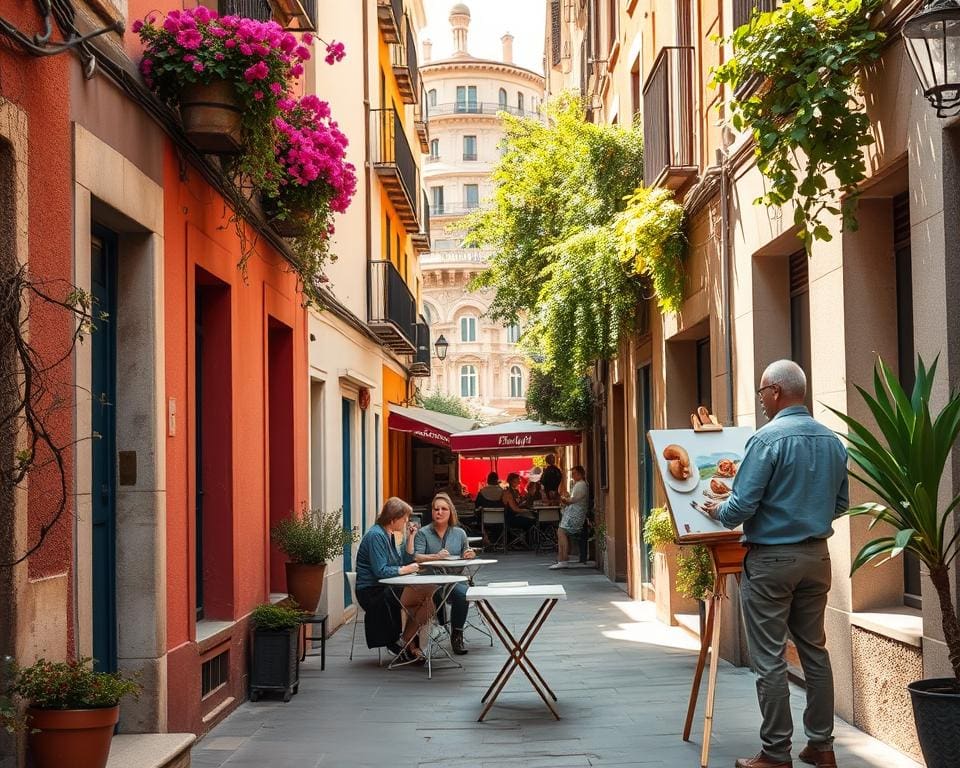

You’re arriving in Barcelona with more than Gaudí and La Rambla on your list. This guide points you to Barcelona attractions that reveal local life, not just postcard views. Expect neighbourhood suggestions, food and drink tips, cultural venues and active day trips that form authentic Barcelona experiences.
Major sights are brilliant, but they can mean long queues, crowds and a sense of commercialisation. Exploring off‑the‑beaten‑path Barcelona gives you calmer streets, more meaningful interactions and often lower prices. These hidden gems Barcelona let you see how people live, eat and celebrate here.
Practicalities make it easier. Use the TMB metro and buses or the FGC for quick hops between districts. Buy a T‑10 ticket for multiple short trips or a Hola Barcelona travel card for longer stays. Walk where you can and cycle with courtesy; watch for bike lanes and keep noise low in residential areas.
Safety is straightforward: keep belongings close, avoid poorly lit streets at night and tell someone your plans if you’re travelling solo. Learn a few Catalan or Spanish phrases — bon dia, gràcies, per favor — and you’ll find doors open more readily.
Choose spring or autumn for milder weather and fewer crowds. Respect residents by keeping noise down, following museum photography rules and supporting independent cafés, bars and shops to help neighbourhood economies thrive.
This approach follows advice from Barcelona Turisme and Transport Metropolità de Barcelona (TMB), and echoes reputable travel guides that encourage discovering lesser‑known things to do in Barcelona. You’ll leave with stories and connections that go beyond a typical tourist itinerary.
Barcelona attractions off the beaten path
When you step away from the well-trodden routes, Barcelona reveals quieter corners that reward slow exploration. Use a few hours to wander neighbourhood streets, visit lesser-known cultural spaces and seek out panoramic spots that locals cherish. These suggestions help you pick a route that fits your pace and interests.
Neighbourhood walks to discover local life
Start in Gràcia and drift through narrow plazas like Plaça del Sol and Plaça de la Vila. Boutique shops and modernista façades set a relaxed tone. In the evening you can sample small vermuterias and feel the pulse of local life Barcelona residents enjoy.
Head east to Poblenou to see an industrial quarter reborn as a creative hub. Stroll Rambla del Poblenou for markets and cafés, then walk toward nearby beaches. The 22@ innovation district shows where tech firms and design studios now cluster.
Sant Andreu and Sants offer quieter, residential streets where traditional markets such as Mercat de Sant Andreu and family bakeries still thrive. These areas are ideal for observing everyday Catalan rhythms.
Explore less touristy corners of El Raval to find multicultural shops and independent bookshops. Stay in well-lit areas at night and keep an eye on your belongings while you soak up the district’s lively atmosphere.
- Suggested strolls: 2–4 hours for a deep neighbourhood walk.
- Transport: use nearby metro stops to link Gràcia, Poblenou, Sant Andreu and El Raval.
- Tip: wear comfortable shoes and pause for a coffee in a local café.
Independent museums and cultural centres
Plan visits to less crowded times at Museu Frederic Marès and Museu Picasso if you want quieter galleries. You will still find value in truly independent museums Barcelona offers that focus on niche collections and local stories.
Family-friendly options such as Museu Blau and CosmoCaixa often fly below the tourist radar. They make good choices when you travel with children or when you want interactive exhibits.
For contemporary urban themes, check programmes at the Centre de Cultura Contemporània de Barcelona and El Born Centre de Cultura i Memòria. MUHBA runs satellite sites beyond the central Roman ruins that examine industrial and modern history.
Smaller private spaces include Canòdrom cultural projects and Fabra i Coats — Fàbrica de Creació in Sant Andreu. These independent cultural centres host performances, exhibitions and community workshops that give real insight into creative life.
- Opening hours vary; check before you go.
- Many exhibits offer Catalan, Spanish and English information.
- Reduced tickets may be available for EU citizens of certain ages.
Hidden viewpoints and lesser-known parks
For sweeping views without the crowds, the Bunkers del Carmel at Turó de la Rovira remain a favourite. Aim for sunrise or sunset, bring water and sturdy shoes for the uneven paths. Respect residents near the site.
Uptown green spaces such as Jardins del Turó del Putxet and Jardins de la Tamarita offer calm away from busy avenues. You will find locals relaxing, reading and walking dogs.
Parc del Laberint d’Horta provides a historical neoclassical garden with a hedge maze and romantic statuary. It receives far fewer visitors than central parks, though there is a small entry fee and some seasons are better for blooms.
Explore trails in Parc del Guinardó and other Mirador del Turó de la Rovira alternatives for rewarding city vistas. Facilities may be limited at some viewpoints; plan accordingly and be mindful of local etiquette.
- Bring a camera for golden hour shots, but be courteous to neighbours.
- Many parks off the beaten path have few services; pack water and snacks.
- Check accessibility if you need step-free routes.
Food and drink experiences beyond the tourist restaurants
Barcelona food experiences pull you into neighbourhood life through markets, bars and hands‑on classes. Skip the busiest promenades and savour small moments: a morning at a stall buying fresh fish, an afternoon nibbling pintxos at a market bar, an evening sipping vermut in a crowded vermuteria Barcelona. These choices make your trip feel like living in the city, not just visiting it.
Market-to-table eating and Catalan food markets
Begin at Mercat de Sant Antoni for a wide range of produce and well‑known jamonerías. The fishmongers here and at Mercat de la Concepció offer exceptional freshness on market days. La Boqueria feels touristy by comparison.
For antiques and street food, visit Encants Vells (Fira de Bellcaire). For village atmosphere and local fruit, head to Mercat de la Llibertat in Gràcia on market mornings. Look for seasonal highlights: strawberries in spring, mushrooms in autumn and calçots during winter–spring festivals.
Eat tapas rounds at market bars by choosing pintxos style plates from the counter. Budget by splitting plates, asking for prices first and following the locals who tend to order standing at the bar.
Neighbourhood tapas bars and vermuterias
Vermuteria Barcelona culture revolves around a glass of vermut on tap with olives and anchovies. Poble Sec, Sant Antoni and Gràcia each have favourite spots where neighbourhoods gather for a pre‑lunch ritual.
Try family‑run bars that serve platillos, or traditional bodegas with good local wine lists and fair prices. Order classic dishes such as pà amb tomàquet, botifarra amb mongetes and anchovies from L’Escala to taste regional character.
Spot authentic bars by the local clientele, Catalan signage and a daily blackboard menu. If you stand at the bar, the rhythm of ordering differs from taking a table; follow the locals and keep service simple and polite.
Cooking classes and food tours run by locals
Seek small, local providers for cooking classes Barcelona that include market visits and hands‑on lessons. Options range from paella workshops to vegetarian Catalan cuisine sessions and short market tours that end in a shared meal.
Book through platforms such as Withlocals or EatWith or choose independent schools like La Patente or Cook & Taste Barcelona. Check reviews, ask about dietary requirements and favour operators that pay fair wages to cooks and source ingredients from local suppliers.
Expect lessons to last around three to four hours and to cover Catalan ingredients, wine pairing with local DOs such as Penedès, and recipes you can recreate at home. Small group local food tours will show hidden eateries and practical tips for eating like a Barcelonan.
Local culture and creative scenes you shouldn’t miss
Barcelona pulses with creative energy beyond the big sights. You can dive into neighbourhood rhythms, catch late shows and explore art where it lives. This section points you to the venues, walls and festivals that shape Barcelona culture today.
Live music venues and intimate theatres
You’ll find a strong scene for live music Barcelona in places like Razzmatazz and Sala Apolo, where local indie bands share bills with touring acts. For jazz, head to Jamboree in Plaça Reial or the Harlem Jazz Club for compact nights with big atmosphere. Book ahead for popular gigs and check listings on local event pages to avoid disappointment.
For contemporary theatre seek Teatre Lliure and Sala Beckett. These spaces host Catalan playwrights and experimental pieces. Off‑beat shows pop up in smaller arts spaces and community centres, giving you a window into the city’s vibrant performance culture.
Street art, galleries and artist-run spaces
Neighborhoods such as Poblenou, El Raval and Poble Sec showcase striking murals and legal walls. Guided street art walks help you learn about the creators and the neighbourhood histories behind the pieces. Walk slowly and you will notice layers of work from visiting and local artists.
The area around MACBA mixes skate culture with contemporary exhibitions. Independent galleries in El Born and Sant Antoni spotlight emerging Catalan talent. If you want to meet artists, watch for open studio weekends at hubs like Fabra i Coats and Hangar where residencies open their doors.
Many small spaces close on Mondays and opening hours vary. Check times, look for free entry days and respect photography rules when inside galleries.
Festivals and neighbourhood celebrations
Neighbourhood festivals Barcelona-style are an essential way to see community life. Festa Major de Gràcia in August is famed for its imaginative street decorations and live music, with locals competing to create the best themed block. Festa Major de Sants follows a similar volunteer-led tradition of food stalls and contests.
La Mercè in September fills the city with parades, human towers and correfocs. Watch correfocs from safe vantage points and follow local guidance to enjoy the spectacle responsibly. Smaller patron saint fêtes and Sant Joan gatherings offer paella, processions and convivial street parties across the year.
When you attend, buy crafts from local stalls, avoid touching private façades and support community vendors to keep these events thriving.
Outdoor adventures and day trips for active travellers
For active travel Catalonia offers a rich mix of sea and mountain options close to the city. Choose quieter shores such as Ocata, Castelldefels or Bogatell for swimming, kitesurfing and stand‑up paddleboarding. Local providers like Surf House Barcelona and Kitesurf Barcelona run lessons and hire equipment; book in advance for peak season and check wind forecasts before you go.
If you prefer paddling, guided kayak tours around Costa Brava coves and the Garraf coastline let you explore hidden grottoes and snorkel clear waters. Opt for operators who emphasise safety and environmental respect, and bring a reef‑safe sunblock and a lightweight dry bag for essentials. Coastal day trips from Barcelona to Cap de Creus or smaller coves are best saved for full days to make the travel time worthwhile.
Hiking near Barcelona ranges from the jagged spires of Montserrat to the wooded trails of Collserola and the limestone tracks of Garraf Natural Park. Montserrat is reachable by Rodalies train and the cremallera or cable car; you can tackle short routes to viewpoints or combine a monastery visit with longer ridge hikes. Collserola and Tibidabo offer quick escapes inside the metropolitan area with mapped routes and mountain‑bike hire shops if you want single‑track cycling.
Plan your Barcelona day trips around transport times and seasons: Montserrat typically takes one to one and a half hours, while Costa Brava routes are about 1.5–2 hours depending on your destination. Start early to avoid crowds, carry maps, water and sun protection, and follow park rules to leave no trace. Use authorised guides and licensed operators when access is regulated; this supports local economies and ensures a safer, more sustainable outdoor activities Barcelona experience.