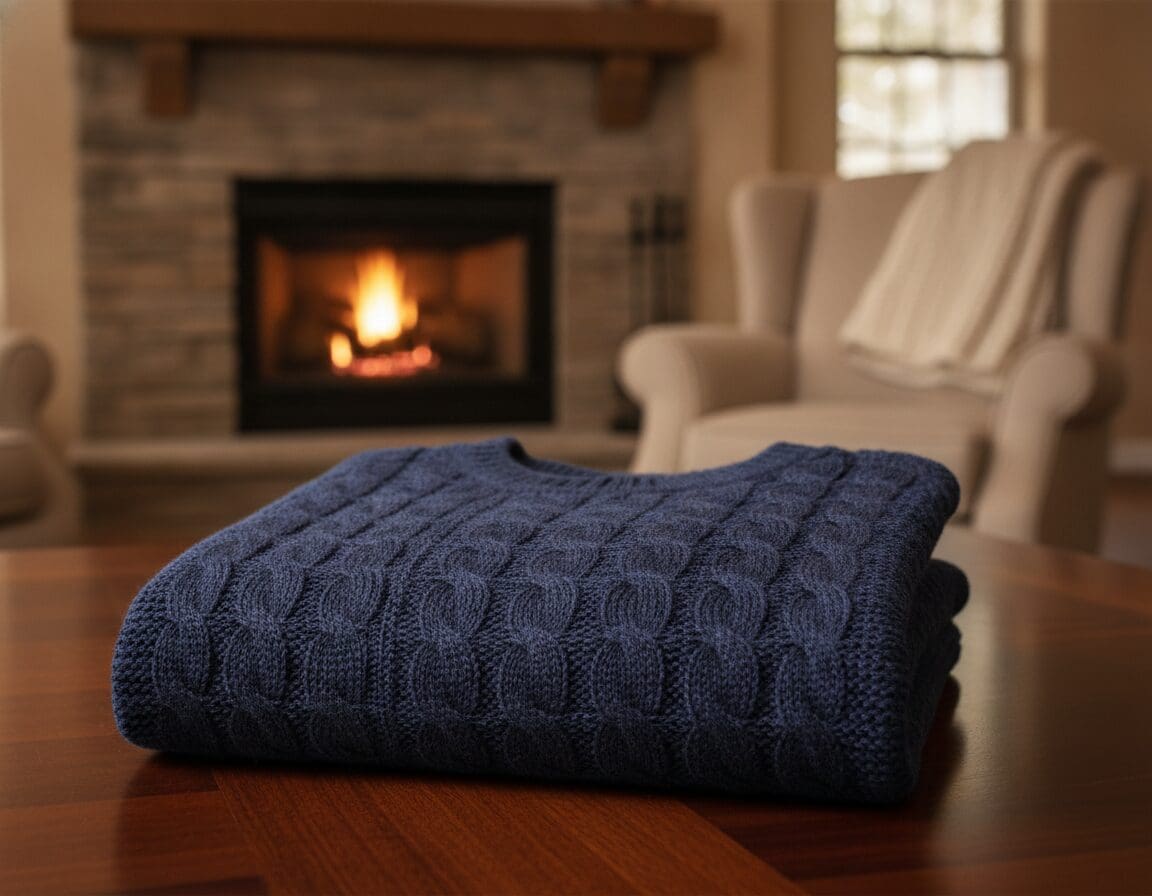

You want a cashmere sweater that keeps you warm without feeling bulky. This guide helps you choose the best cashmere sweaters for colder days in the United Kingdom, balancing warmth, durability and style.
Cashmere has a long reputation as luxury knitwear. Compared with regular wool or synthetic jumpers, cashmere jumper and winter cashmere offer remarkable softness and insulation while staying lightweight. The fine diameter of fibres from Cashmere and Pashmina goats—mainly from Mongolia, Inner Mongolia, China and Afghanistan—gives warm cashmere its plush feel. Its hollow or fine structure traps air, so a well-made cashmere piece insulates more efficiently than heavier wools.
You will find a clear structure in the article. First, we explain what makes cashmere different and why it suits winter wardrobes. Next is a practical buying guide covering fit, ply and care. Finally, we recommend styles and reputable brands available in the UK market, so you can pick pieces that match your needs.
Industry and retailer guidance suggests typical price ranges in the UK: entry-level genuine cashmere jumpers often start around £80–£120, mid-market pieces sit between £150–£300, and premium or hand-finished garments can exceed £400. Single-ply options usually cost less and feel lighter, while multi-ply and hand-finished jumpers command higher prices and greater durability.
When you shop, keep common UK buyer priorities in mind: warmth, longevity, fit for layering, ease of care, ethical sourcing and value for money. The next sections expand on fibre science, practical buying tips and the top brands so you can make an informed choice for your winter cashmere wardrobe.
Why choose cashmere for winter warmth and style
Choosing cashmere for cold months gives you a blend of comfort and refinement. You get lightweight warmth without bulk. The fabric’s natural drape lifts casual outfits and smart looks. Look for pieces that balance insulating fibres with breathable knitwear to stay comfortable all day.
What makes cashmere different from other fibres
Cashmere fibres are far finer than most sheep’s wool, typically 14–19 microns compared with sheep wool at 20+ microns. That fine diameter gives a soft hand against the skin and reduces itch, so you wear cashmere next to the skin with ease.
The fibre structure often traps air in hollow or semi-hollow cores, increasing thermal performance for its weight. This physical quality explains why cashmere is prized among insulating fibres and why cashmere vs wool often comes down to softness and warmth-to-weight rather than simple thickness.
Each goat yields only a small amount of undercoat each year, often 100–200 grams. That limited supply makes cashmere rarer than sheep’s wool and affects price and availability.
Benefits for colder days: insulation, weight and breathability
Cashmere delivers a high warmth-to-weight ratio, so you achieve good insulation with thinner layers. That makes cashmere ideal for underlayers, fine-gauge jumpers and chunky knits alike.
Breathable knitwear made from cashmere wicks some moisture and allows air to circulate. You avoid the overheating and clamminess that heavy wools or synthetic garments can cause.
Lightweight warmth improves mobility and layering. You can move freely beneath a tailored coat while keeping the look sleek rather than bulky.
How cashmere elevates your winter wardrobe and outfits
Cashmere’s smooth finish and refined drape lift both relaxed and formal outfits. Pair a roll-neck with a wool coat or wear a fine V-neck under a blazer for a polished travel look.
Classic cuts in neutral shades endure season after season. Investing in quality shapes creates long-lasting staples, so you replace fewer items over time.
Ethical sourcing matters for provenance and impact. Look for transparency from Mongolian herding cooperatives or standards such as the Responsible Cashmere Standard when you evaluate brands. That approach helps you balance style, function and responsibility.
cashmere sweater buying guide: fit, weight and care
Use this cashmere buying guide to make choices that keep your jumpers soft and warm for years. You will learn how to choose cashmere by focusing on fit, yarn construction and sensible care. Small checks while trying on and simple maintenance at home make a big difference.
Choosing the right fit for layering and comfort
Decide between slim-fit, regular or relaxed shapes based on how you wear your knitwear. A truer cashmere fit suits layering under coats. A relaxed or oversized roll-neck works well when you want a cosy single layer.
When you try jumpers check shoulder seams, sleeve length and torso length. Shoulder seams should sit at your natural shoulder line. Sleeves that finish at the wrist bone give a classic look. Slightly longer sleeves suit a casual, pushed-up style.
Remember gender and cut matter. Men’s and women’s tailoring differ in torso shape and necklines. Always consult brand size charts and think about sizing up if you plan heavy layering.
Understanding ply and knit weight for temperature control
Ply describes how many yarns are twisted together. Single-ply cashmere feels light and soft. Two- or three-ply and higher create thicker, more durable fabrics.
Knit weight or gauge affects warmth. Low-gauge chunky knits give maximum insulation. High-gauge fine knits work best for lightweight layering. For typical UK winters aim for 2–3-ply midweight for everyday cold. Choose 4–6-ply or cable-knit for very cold days.
Heavier plies and tighter knits resist pilling and wear better. Single-ply fine cashmere needs more careful handling to keep its look.
Identifying quality: fibre origin, micron count and label tips
Fibre origin influences feel and price. Much cashmere comes from Mongolia and Inner Mongolia. The Kashmir region is known for pashmina. Origin links to supply chain practices and sometimes to fibre characteristics.
Micron count tells you how fine the fibres are. Lower micron numbers, around 14–19 microns, mean softer fibres. Finer yarn feels nicer but can be more delicate.
Read labels closely. Look for 100% cashmere if you want pure fibre. Blends with wool, silk or synthetics change warmth, durability and price. Check for ply details, country of origin and certifications such as the Good Cashmere Standard.
Choose brands with transparent sourcing and traceability. Established names like Johnstons of Elgin, Loro Piana, The White Company, Everlane and Uniqlo offer different price points and varying levels of transparency. Brand policies on sourcing and repair can guide your choice.
Care and maintenance to prolong softness and shape
Follow simple rules for cashmere care to keep jumpers soft. Hand-wash in lukewarm water with a mild wool detergent. Use a gentle machine cycle in a mesh bag only if the label allows. Avoid hot water and rough agitation.
Never tumble dry. Gently reshape and lay flat on a towel away from heat or sunlight to dry. That prevents stretching and fading.
Pilling is natural. Remove pills carefully with a cashmere comb or a low-power fabric shaver. Store knits folded, not hung, to avoid shoulder distortion. Use breathable garment bags and cedar or lavender sachets to deter moths.
Repair small holes or seams promptly and rotate jumpers to reduce wear. Consider brands that offer take-back, repair or recycling programmes to extend a garment’s life and reduce waste.
Top cashmere styles and brands for colder days
When you choose the best cashmere brands, think first about the styles that suit your routine. A roll-neck jumper is excellent for trapping heat around the neck; opt for 2–4-ply or a chunky-gauge version if you need extra insulation. Crew-neck and V-neck jumpers work well beneath coats and blazers, and you can pick fine- or mid-gauge knits depending on how you layer.
A cashmere cardigan adds versatility for changing indoor and outdoor temperatures. Look for reinforced button bands and a slightly heavier knit for durability. For maximum warmth and a classic winter look, consider chunky cable-knit or fisherman styles, which are often made in heavier plies suited to UK weather.
Cashmere blends and lined pieces give another route to warmth and lifespan. Blends with wool or silk increase durability and structure, while double-layer or lined cashmere items provide extra insulation without bulk. Brands across the market offer these options: heritage makers such as Johnstons of Elgin and luxury names like Loro Piana emphasise provenance and finish, while The White Company, Uniqlo and Everlane balance price, fit and traceability.
Decide on a brand based on what matters most to you. If you value artisanal provenance, explore Scottish and Italian houses for luxury cashmere UK options. For everyday practicality, high-street and direct-to-consumer labels give good entry points. Try styles and gauges in person where possible, and aim to invest in one neutral crew or roll-neck jumper plus a cashmere cardigan or a statement chunky knit to cover most winter situations.