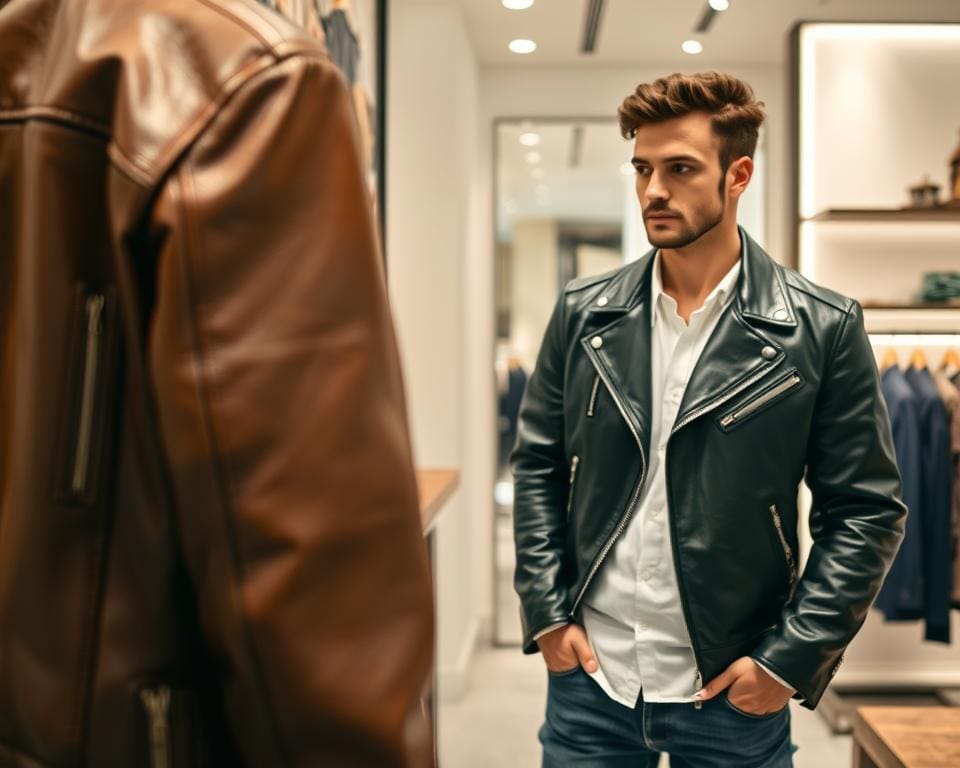

Choosing the perfect leather jacket starts with a clear idea of what you need. This leather jacket buying guide will help you match a style to your body shape, lifestyle and budget so you avoid costly mistakes.
You will learn how to choose leather jacket options by assessing material, construction and fit. The advice covers men’s and women’s silhouettes, from classic biker and bomber cuts to tailored leather blazers suitable for smart-casual looks.
This guide explains the markers of quality you should inspect: desirable leather types such as cowhide, lambskin and goatskin, plus construction terms like full‑grain and top‑grain. It also shows what to check for in hardware, stitching and lining to ensure a long-lasting purchase.
Practical tips on fit and care are included so your perfect leather jacket stays wearable for years. If you want background on outerwear choices and layering for warmth and style, consult expert retailer notes from brands like Belstaff, AllSaints and Barbour and related guides such as this outerwear overview from Supervivo: outerwear guide.
Read on through each section to build confidence for buying in-store or online in the leather jacket UK market, and to spot the details that turn an appealing jacket into a lasting wardrobe staple.
Why a leather jacket is a wardrobe essential
A leather jacket is more than a seasonal buy; it is a cornerstone of a versatile wardrobe. You get a piece that blends practicality with style, offering leather jacket versatility whether you wear it with jeans, chinos or layered beneath an overcoat. Treating it as an investment jacket makes good sense when you factor in repairability and long-term use.
Timeless appeal and investment value
Leather jackets carry cultural weight thanks to motorcycling heritage and film icons such as Marlon Brando and Steve McQueen. That cultural cachet helps a timeless leather jacket remain relevant through fashion cycles, giving your outfits instant character.
Brands like Belstaff, Schott and AllSaints are known for build quality. A well-made jacket from those names often retains resale value and can be altered by leather specialists. Quality construction and premium hides justify a higher upfront cost because you can repair and wear the piece for many years.
For ideas on classic pieces to pair with a leather jacket, see a guide to timeless wardrobe staples here.
Versatility across seasons and occasions
Different weights and linings let you wear a leather jacket throughout the year. Lightweight lambskin or unlined styles work well for spring and autumn. Heavier cowhide with insulation gives warmth in winter.
Use casual combos such as jeans and trainers for daywear. For smart-casual looks try chinos with boots, or pair a tailored leather blazer with a shirt and wool trousers. Biker cuts add edge, while blazers give structure for dressier settings.
Properly treated leather offers some water resistance and wind protection. Linings and collars contribute to comfort, so you can adapt a single jacket across varied weather and events.
How a quality jacket improves with age
High-quality leather develops patina leather that adds depth and character over time. This mellowing creates a richer tone and surface marks that tell a story of wear, especially on full-grain and top-grain hides.
Simple care helps the ageing process produce attraction rather than damage. Regular conditioning, avoiding prolonged soaking and using professional repairs when needed will maintain suppleness and prevent cracking.
Avoid corrected-grain or bonded leathers if you want longevity. Those cheaper materials tend to peel and flake, which undermines both look and life span.
Leather jacket styles and which suits your body and lifestyle
Choosing leather style starts with how you live, what image you want and your body proportions. The cut, shoulder line, sleeve length and where the jacket sits on your torso shape the look. Think about daily activities and the outfits you wear most, then match a silhouette that complements them.
Biker and moto jackets
A classic biker jacket displays asymmetric zips, wide lapels, shoulder epaulettes, multiple pockets and often a belted waist. This biker jacket suits broader shoulders and creates a strong, structured silhouette.
It works for riding and for urban wear. Expect heavier cowhide or robust leather that gives wind protection. Make sure the shoulders allow full arm movement if you plan to ride.
Bomber jackets
Bomber jackets show ribbed cuffs and hem, a central zip and a simple collar, often cut shorter at the waist. This bomber jacket is ideal for everyday casual wear and layers well over shirts or thin knitwear.
It flatters most body types because the ribbed hem helps define the waist. You will find lighter lambskin or suede for spring and thicker options for colder months.
Racer and cafe racer styles
Racer styles feature a slim, collarless or small snap collar, a streamlined zip and minimal hardware. A cafe racer jacket gives a close fit through the torso for a refined, modern silhouette.
These styles suit leaner frames and anyone who prefers minimal detailing. They are often in soft lambskin for comfort; check sleeve length so there is no gaping at the zip when you move.
Blazers and tailored leather jackets
Leather blazer designs borrow structured shoulders, lapels or notch collars and a tailored waist. A leather blazer reads as smarter and pairs well with chinos, tailored trousers and knitwear.
Look for finer-grained leather, a quality lining and solid internal construction to keep shape. For the best fit, consider professional alterations at the shoulders or hem.
When you are choosing leather style, weigh practicality against the image you want to project. Each type — biker jacket, bomber jacket, cafe racer jacket or leather blazer — brings a distinct personality to your wardrobe.
Choosing the right leather type and construction
Picking the right leather jacket starts with knowing the materials and how they are put together. Pay attention to leather types, the leather construction and the finishing. A few checks now save you time and money later.
Cowhide gives you toughness and longevity, ideal for biker styles and heavy use. It may feel stiff at first and softens with wear. Lambskin offers a buttery feel and a sleek look, suited to slim, fashion-forward jackets and blazers. Goatskin sits between the two: it has texture, good water resistance and solid durability. For dressier occasions, a suede jacket provides a softer, napped surface and an elegant finish, though it needs specialist care to avoid stains.
Full-grain vs top-grain vs corrected-grain
Full-grain leather keeps the hide’s natural surface and markings. It is the strongest and develops a rich patina over time. Top-grain leather is slightly sanded or polished to remove imperfections, giving a uniform, softer look while remaining high quality. Corrected-grain leather is buffed and embossed to hide flaws; it is cheaper, less breathable and more prone to surface wear, so avoid it if you want something that lasts.
To check which you have, examine the cut edge, feel the surface texture and read product labelling. Ask the retailer about tannage and finishing so you know whether you are getting genuine full-grain leather or a polished top-grain option.
Hardware, stitching and lining
Reliable hardware makes a jacket useful for years. Look for zips from trusted makers such as YKK or RiRi, solid snaps and buckles that resist rust. Test zips for smooth action. Stitching should be even and tight with no loose threads. Reinforced seams at shoulders and armholes add strength; double stitching is a plus where stress is highest.
Linings affect comfort and temperature control. Viscose, silk blends or quilted insulation feel good next to the skin. Check that linings are securely attached and that internal pockets are well finished. A removable quilted lining increases seasonal flexibility. Interior details such as taped seams, neat hems and clear care labels help with long-term use.
Ethical and sustainable considerations
Traceability matters when you shop. Ask about animal sourcing, whether the leather is a by-product of the meat industry and which welfare standards were followed. Tanning choices also affect the environment. Chrome tanning is common and efficient but raises concerns about disposal and chemical use. Vegetable-tanned leather costs more and can vary in colour, yet it has a smaller environmental footprint.
Look for brands that publish sustainability reports or belong to bodies like the Leather Working Group. Repair services and clear labelling point to a longer product life and more sustainable leather practices. If you prefer non-animal options, consider high-quality plant-based or polyurethane leathers, noting differences in breathability and ageing compared with genuine leather.
Fit, care and spending wisely on your leather jacket
Get the leather jacket fit right and the piece will feel like it was made for you. The shoulder seam should sit at the edge of your shoulder and sleeves should end at the wrist bone when your arms are relaxed. Jacket length depends on style: biker jackets usually sit at the waist while bombers fall a little below. Allow room for layering so you can wear a light jumper without restriction, and test mobility by lifting your arms or mimicking a ride to check shoulder movement.
When shopping online, use leather jacket sizing UK charts and compare chest and sleeve measurements to your own. Read customer reviews to see if a brand runs true to size and note return policies common with UK retailers. Factor in alteration costs for small tweaks like sleeve shortening or tapering; remember that shoulder adjustments are costly and often impractical.
Good leather jacket care keeps the garment looking its best for years. Avoid heavy rain and, if the jacket gets wet, air dry away from direct heat. Remove surface dirt with a soft brush or damp cloth and condition periodically with a product suited to the leather type; suede requires a suede brush and specialist cleaners. Store your jacket on a wide wooden hanger inside a breathable garment bag and keep it out of prolonged sunlight to prevent fading.
Decide how much to spend on a leather jacket by weighing cost against lifespan. Entry-level corrected-grain or bonded pieces cost less but wear faster. Mid-range top-grain or quality lambskin offers comfort and longevity, while premium full-grain heritage jackets from brands such as Belstaff, Barbour, AllSaints or Schott London demand a higher outlay but often deliver better cost-per-wear. Check construction, hardware and care guidance before you buy, and consider reputable UK retailers or specialist resale marketplaces for value buys. This approach balances short-term price with long-term leather jacket maintenance and enjoyment.