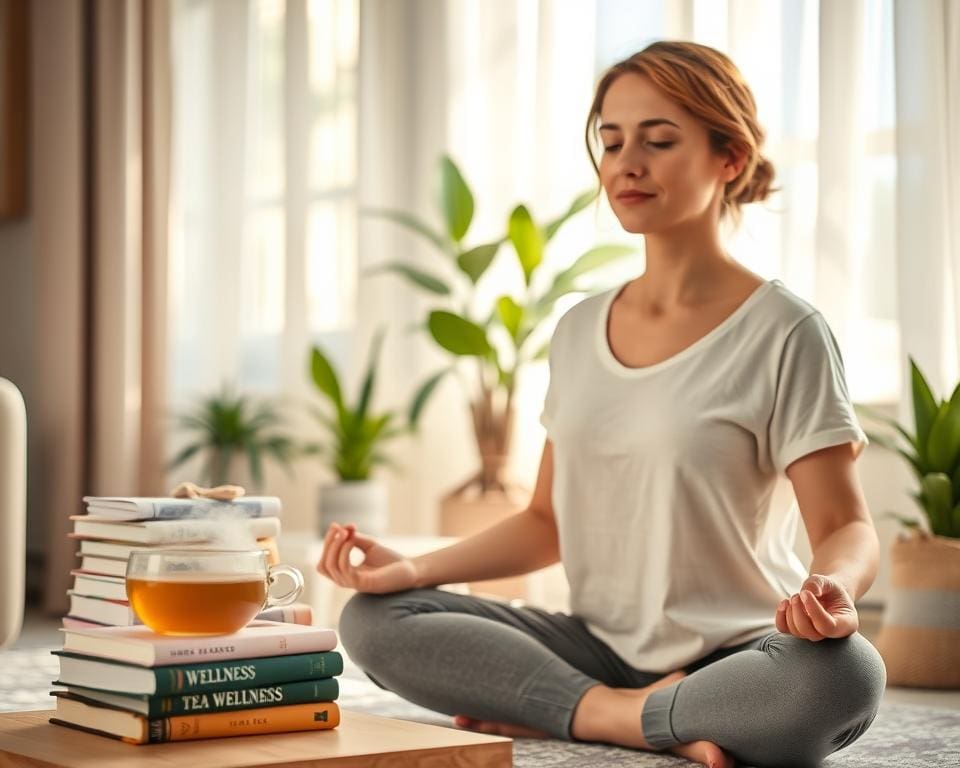

Self-care habits are the regular practices you use to protect and improve your physical, mental and emotional health. They are not occasional treats but everyday actions that help you manage stress, build resilience and reduce the risk of burnout.
Public Health England and the World Health Organization recommend achievable routines such as 150 minutes of moderate physical activity per week and a diet leaning towards Mediterranean-style patterns, which research links to better mood. NHS guidance highlights the importance of sleep, exercise and social connection for strong personal wellbeing and mental and physical health.
Everyone benefits from UK self-care, but the right mix will vary by age, work hours, caring responsibilities or long-term conditions. Small, consistent changes are often more effective than dramatic overhauls and make these self care tips accessible to most people.
This article will give practical, everyday strategies you can use immediately — from morning routines to sleep, nutrition and movement — plus emotional and mental approaches like mindfulness, healthy boundaries and when to seek professional help. Expect clearer thinking, better sleep, reduced anxiety, more energy and stronger relationships when you adopt these habits for a balanced life.
Essential self-care habits for daily wellbeing
Start by choosing a few practical habits that fit your life. Daily self-care does not need to be time-consuming. Small, repeatable actions build resilience, improve mood and support long-term health.
Below are clear, actionable practices you can adapt. Each item links to simple routines you can try this week. Keep choices realistic so you sustain them.
Establishing a simple morning routine
A steady morning routine anchors your day and cuts decision fatigue. Aim for 5–30 minutes that include hydration, light movement, a nourishment step and a short intention-setting practice.
- Drink a glass of water on waking to rehydrate and wake your system.
- Try 5–10 minutes of stretching, yoga or mobility work. NHS fitness videos or the British Wheel of Yoga resources offer accessible options.
- Use a one-minute breathing exercise or a journalling prompt to set priorities for the day.
- Prepare a simple, healthy breakfast to avoid chaotic eating later.
If you are a shift worker or carer, adapt timing and use micro-routines of 2–5 minutes. Rituals around realistic windows make a morning routine workable on busy days.
Prioritising sleep and restorative rest
Good sleep hygiene underpins mood, focus and recovery. Aim for consistent sleep times, a calm bedroom and a wind-down ritual that signals your body to rest.
- Keep screens out of the bedroom for at least an hour before bed.
- Use a short relaxing routine: warm drink, quiet reading or steady breathing.
- Address light and noise to support deeper, restorative rest.
When you treat sleep as a priority, daytime energy and mental clarity improve. Small sleep changes yield big gains for wellbeing.
Balanced nutrition and mindful eating
Eating with attention helps you enjoy food and manage hunger. Mindful eating reduces rush, emotional snacking and overeating.
- Plan simple meals that combine protein, whole grains and vegetables to support a balanced diet.
- Pause for a few breaths before you eat to notice hunger cues and taste.
- Cook basic recipes that suit your schedule to avoid reliance on highly processed options.
Consistent, modest improvements to your food choices promote steady energy and better mood across the day.
Regular physical activity suitable for your lifestyle
Choose movement you enjoy so it becomes part of your routine. Physical activity supports mood, sleep and physical health without needing long gym sessions.
- Aim for short bursts of movement: brisk walks, cycling or home workouts.
- Incorporate strength or balance work twice a week for lasting benefits.
- Consider gentle practices such as tai chi or yoga for mobility and calm.
Even modest daily exercise for wellbeing enhances energy and resilience. Match intensity to your current fitness and build gradually.
Emotional and mental self-care strategies
Emotional self-care helps you notice feelings early and choose calmer responses. Small daily checks, brief journalling or mood tracking give you clues about stress and when to slow down. Use routines that support mental health and keep you grounded through the day.
Practising mindfulness and stress reduction techniques
Mindfulness trains attention and reduces reactivity, which lowers anxiety and improves emotional regulation. The NHS and the British Psychological Society recognise mindfulness-based approaches for reducing symptoms of anxiety and depression.
Try short practices of 5–10 minutes: mindful breathing, a quick body scan or progressive muscle relaxation. Use apps such as Headspace or Calm, or free NHS-recommended guided meditations for practical support. Add micro-practices during work, like a mindful pause before meetings or mindful eating at lunch, to boost stress reduction.
Spot common triggers, apply simple problem-solving and use time-management techniques to reduce pressure. Grounding exercises and hobbies provide restorative distraction when you need a break.
Setting healthy boundaries in work and relationships
Clear boundaries protect your time and energy. Learn to say no politely and limit repetitive toxic interactions. You can set simple rules for work, such as fixed email hours, and share them with colleagues to maintain balance.
Boundaries also help you preserve emotional capacity for close relationships. When you feel overwhelmed, pause, communicate your limits and agree on practical adjustments to reduce friction and preserve mental health.
Seeking social support and meaningful connections
Regular contact with friends, family or community groups strengthens resilience. Schedule catch-ups, join local activities or volunteer with charities to build purpose and broaden your network.
Social support helps you cope during hard times. If you prefer guided ideas, see practical self-care suggestions at self-care ideas for a stress-free lifestyle to expand your options.
When to seek professional mental health support
Reach out for counselling if low mood, anxiety or distress lasts for weeks or affects daily tasks. Keep a simple emergency plan: key contacts, NHS pathways such as IAPT and urgent numbers like Samaritans or NHS 111 for immediate help.
For ongoing concerns, explore local services for mental health support UK and ask your GP for referrals. Combining social and emotional practices with routine sleep and nutrition builds long-term resilience and complements professional care.
Practical lifestyle habits to sustain balance
To make sustainable self-care part of everyday life, focus on habit formation that fits your routine. Small, repeatable actions are more effective than sweeping changes. The cue–routine–reward loop explains why: a clear cue triggers a simple routine, and a small reward helps the brain store the behaviour. Start with tiny habits, such as the two-minute rule, and build from there so you maintain routine consistency without feeling overwhelmed.
Use habit stacking to anchor new practices to established ones. For example, do five squats after brushing your teeth or write one sentence in a journal after your morning coffee. This reduces friction and helps the behaviour become automatic. Over weeks, those tiny steps compound and support long-term wellbeing and resilience.
Practical tools make a difference in lifestyle habits. Try planners, a paper diary or habit-tracking apps like Loop Habit Tracker or Strides to visualise progress. Set gentle reminders on your phone, and pair with an accountability partner to keep momentum. Good time management—blocking short, regular slots for self-care—prevents busyness from crowding out what matters most.
Balance also means adjusting as life changes. Review your habits monthly, celebrate small wins, and drop what no longer serves you. By combining habit science, consistent routines and simple tools, you create a personalised approach to sustainable self-care that supports long-term wellbeing and strengthens your resilience.