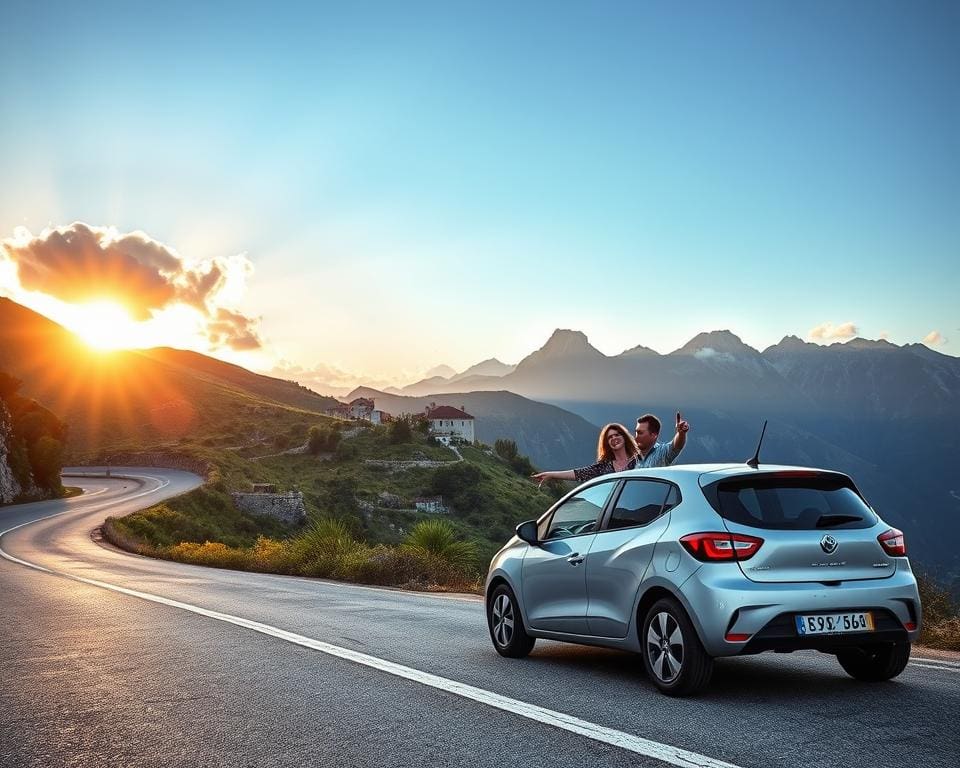

A Montenegro road trip gives you the freedom to explore fjord-like bays, rugged mountains and medieval towns at your own pace. If you are an independent traveller from the United Kingdom, a self-drive Montenegro holiday suits couples, small groups and families who value flexibility and scenic detours.
You will encounter varied driving conditions: coastal highways around Budva and Kotor, narrow winding mountain roads up to Lovćen and Njeguši, and long stretches between fuel stations when heading into Durmitor or the Tara River canyon. Expect short daily distances if you plan stops for viewpoints and hikes.
Key benefits include reaching remote viewpoints, combining beach time with mountain walks, and easy access to rural villages and national parks. Choosing the right vehicle — a compact for tight streets or an SUV for mountain tracks — shapes how you experience Montenegro.
Early considerations for your Montenegro driving holiday are practical: rental car choice, fuel availability, parking limits in historic centres, and border rules if you intend to cross into Croatia, Bosnia and Herzegovina or Albania. These points feed directly into effective Montenegro travel planning.
This article will guide you through essentials to prepare, how to design a sensible Montenegro itinerary with suggested routes and accommodation, and practical tips for a safe, enjoyable self-drive Montenegro adventure.
Preparing for your Montenegro road trip: essentials before you go
Plan key documents first. As a UK driver you can use a valid UK driving licence for short stays, but rules shift and some agents ask for an international driving permit. Carry passport, driving licence, rental agreement or V5C and proof of insurance. Check with the DVLA and your car rental Montenegro provider about IDP and any GB/UK sticker or number-plate requirements.
Legal documents and driving requirements
Most international firms such as Avis, Europcar, Sixt and Hertz operate locally alongside smaller companies. Expect age limits of 21–25 with surcharges under 25 and higher minimums for premium classes. A credit card is usually needed for the deposit. Confirm fuel policies, mileage rules and cross-border clauses if you plan to visit Croatia or Albania.
Make sure rental paperwork shows third-party liability. Consider collision damage waiver and theft protection. If you bring your own car, check green card rules and whether your UK insurance covers Montenegro driving. Keep a first-aid kit, warning triangle, reflective vest and spare bulbs in the vehicle when local law requires them.
Best time to travel and weather considerations
Choose when to travel based on activities and weather. The Montenegro best time to visit varies by interest. For beaches and warm sea swims aim for June to September. For hiking choose late spring to early autumn when trails are mostly clear.
Montenegro weather changes with elevation. The coastal vs mountain climate contrast is strong. Coastal towns enjoy hot, dry summers and mild winters. Inland and high areas have alpine winters with snow and possible road closures. Check local forecasts before mountain drives and prepare for sudden fog or storms.
Budgeting and cost estimates
Estimate your Montenegro travel budget with realistic figures. Economy car hire Montenegro prices in shoulder season often start around £20–£40 per day. Peak summer rates can be higher. Fuel costs Montenegro are similar to other European nations; plan fuel stops on long rural stretches.
- Montenegro road trip cost: factor car hire, fuel, tolls, parking and park fees.
- Accommodation: expect budget rooms from about £20–£50, mid-range £50–£120 and luxury over £120.
- Food and activities: markets and cafes lower daily spend; boat trips and park fees add extras.
Set aside 10–20% contingency for deposits, fines or repairs. Book early for lower car rental Montenegro rates and use smaller cars to save fuel. Carry some cash for rural services while using cards in towns.
Health, safety and travel insurance
Check routine vaccinations and consult NHS or a travel clinic for travel vaccination Montenegro advice. No special vaccines are usually required for UK travellers, but policies change so confirm before you travel.
Buy comprehensive Montenegro travel insurance that covers medical treatment, repatriation, cancellations and car hire excess. Ensure it includes CDW excess protection and any off-road or mountain activity planned. Keep insurer contacts and the British Embassy number handy.
Follow basic safety rules. Montenegro is generally safe for visitors, yet common-sense precautions help. Lock valuables, avoid poorly lit rural roads at night and be mindful of livestock on mountain routes. Keep your phone charged, carry a paper copy of prescriptions and know local emergency number 112.
Designing your route and itinerary through Montenegro
Plan your route with a clear idea of what you want to see and how you prefer to travel. Use a Montenegro route planner early on to sketch a basic loop, then refine it with real-time Montenegro mapping and local advice. Keep paper backups, a charged phone and printed directions ready in case mobile signal drops in the mountains.
Route planning tools and mapping tips
Start with Google Maps, HERE WeGo or Waze for driving routes and traffic. Try Roadtrippers for suggested stops and sequences that form a coherent Montenegro road trip itinerary. For trails and park paths check AllTrails or official park websites.
Download offline maps Montenegro options such as Maps.me or Google offline areas for sections where GPS Montenegro may be unreliable. Mark fuel stations, parking and emergency services on your map. Use satellite view to spot narrow roads and hairpins.
Suggested routes and highlights to include
Choose from classic loops, coastal runs or mountain-focused tours. A 7–10 day loop typically combines Budva, the Bay of Kotor drive, Lovćen, Skadar Lake and a Durmitor drive via the Piva region. A coastal-focused trip centres on Kotor, Perast, Budva and Ulcinj for beaches and boat trips.
For nature lovers, plan a mountain and nature route that includes Durmitor’s Black Lake, Tara Canyon rafting, Piva Lake and Ostrog Monastery. Pick key Montenegro highlights and build travel time around them, allowing detours for viewpoints and konobas.
Pacing your trip and daily driving limits
Aim for 2–4 hours of driving per day on average to balance sightseeing and relaxation. Mountain sections often reduce average speed to 40–60 km/h, so treat Montenegro driving distances as time estimates rather than simple kilometres.
Mix shorter sight-seeing days with longer transfer days. Plan full rest days for beaches or hikes. Track your Montenegro daily drive time and adjust the Montenegro travel pace if weather or road conditions slow you down.
Accommodation choices along the route
Decide where to stay Montenegro towns for atmosphere and convenience or pick quieter locations for easier parking. In historic centres you will find boutique Montenegro hotels and guesthouses with charm but limited parking.
For national parks, choose towns such as Žabljak for the Durmitor drive and Virpazar for Skadar Lake. Consider family-run Montenegro guesthouses for local breakfasts or seaside Montenegro hotels for resorts near Sveti Stefan.
- Reserve popular Montenegro accommodation in high season.
- Prioritise secure parking, flexible check-in and breakfast when self-driving.
- Keep one or two flexible nights for spontaneous detours or weather delays.
Practical tips for driving and making the most of your self-drive holiday
Choose the right vehicle for your route: a compact car works well for narrow old-town streets in Kotor and Perast, while an SUV is better for mountain passes and rougher surfaces. Confirm the rental includes air conditioning, breakdown assistance and roadside support. At pick-up, check tyre condition, spare wheel and fluid levels and photograph any existing damage.
Plan fuel and services carefully. Fuel stations are common in towns but sparser in remote areas, so refuel when you can and carry a little cash for rural forecourts. For driving safety Montenegro, expect narrow lanes, one-way systems and pedestrian-priority zones in summer; park only in designated lots to avoid fines and blocked access.
Keep an eye on road etiquette and local hazards. Watch for slow tractors, livestock, cyclists and pedestrians, and use dipped headlights in tunnels or poor visibility. For scenic drives Montenegro, stop at lay-bys or official parking areas for photos rather than pulling onto narrow bends. Respect private property and protected sites when you step out to take pictures.
Look after your wellbeing and paperwork. Carry water and snacks, rotate drivers to reduce fatigue and take regular breaks on long days. Keep documents handy, note emergency contacts (rental company, insurer, British consular service) and follow police instructions if stopped. These Montenegro travel tips will help you enjoy the scenery safely and avoid last-minute stress.