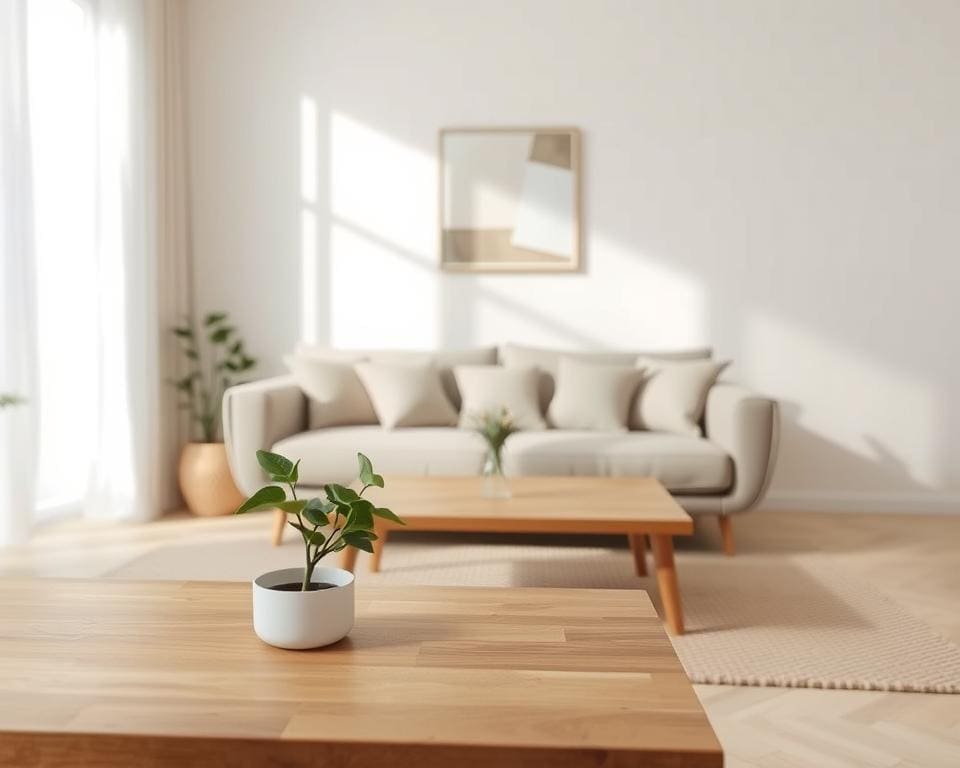

Minimalist living is an intentional approach that puts essentials first and reduces excess possessions and commitments. It prioritises value over volume, so you keep items and routines that serve a purpose and let go of what distracts you. This is not austerity — it is choice, not deprivation, and it aims to free your time and attention.
Interest in a minimalist lifestyle has grown across the UK and globally, driven by cultural conversations around conscious consumption. Methods like Marie Kondo’s decluttering approach and features in The Guardian and BBC about downsizing and mindful living have helped people ask why choose minimalism for daily life.
The benefits of minimalism fall into two broad groups: mental and emotional gains, and practical advantages. Mental clarity, reduced stress and improved focus often come first. Practical benefits include financial savings, more time, easier-to-maintain spaces and smaller environmental impact.
These outcomes tend to compound: clearer spaces support clearer thinking, which boosts productivity and better decision-making. You will learn what you gain emotionally and mentally, the practical benefits you can expect, and actionable steps to start and sustain minimalism in the UK context, where housing size and cost-of-living pressures matter.
Minimalism is flexible. It does not mean you must throw everything away or count exact possessions. Instead, adapt the philosophy to your values and circumstances and consider resources such as this guide on simple living for practical inspiration: exploring simple living.
What you gain mentally and emotionally from adopting minimalism
Adopting minimalism changes how you think and feel each day. The mental benefits of minimalism appear in small, steady ways. You notice fewer distractions, clearer priorities and a calmer home. These shifts help you act with purpose rather than reactivity.
Reduced stress and mental clutter
Physical clutter raises cognitive load and creates decision fatigue. Research from psychologists links messy environments with higher cortisol and stress levels, a theme often covered in UK outlets such as BBC and The Guardian. In tight London flats, for example, excess belongings can make a small space feel overwhelming. Clearing surfaces and wardrobes reduces visual noise, so you spend less time deciding what to wear or where to put things.
Practical outcomes you will feel include lower daily stress, fewer interruptions to your focus, simpler routines and better sleep when bedrooms become restful. These effects illustrate reduced stress minimalism can bring to everyday life.
Improved clarity and intentional living
Intentional living means choosing what matters and letting go of the rest. Minimalism prompts an audit of possessions, commitments and habits. That audit supports clarity intentional living by sharpening goals and helping you concentrate on meaningful projects rather than momentary impulses.
Behaviour-change ideas such as habit stacking and environmental design support this process. By reducing visual stimuli and keeping only useful items, you create a setting that helps you prioritise work, relationships and experiences. Choosing fewer, higher-quality items and saying no to obligations that do not align with your values frees time for what you truly want.
Better emotional wellbeing and contentment
Minimalism can boost gratitude and reduce comparison-driven consumption. You spend less energy managing things and more on people and experiences. That shift supports emotional wellbeing minimalism encourages by lowering anxiety linked to material and financial pressure.
Simplifying daily rituals leads to a sense of control and improved self-efficacy. Lifestyle writers and psychologists in UK publications have noted links between simplified living and sustained wellbeing, while stressing that minimalism must be adapted to your temperament. For further reading on how clarity and mindfulness reinforce these gains, see mental clarity through meditation and mindfulness.
Practical benefits of a minimalist lifestyle
Adopting minimalism brings clear, practical benefits that you notice in daily life. These gains range from better money management to easier upkeep of your home. Read on for focused, actionable ways minimal living helps you now.
Financial freedom and reduced spending
Cutting impulse buys reduces waste and gives your bank balance breathing room. By choosing higher-quality items over fast fashion, you cut replacement costs and save on laundry and repairs. A capsule wardrobe, for example, replaces multiple cheap garments with a smaller set that lasts longer.
Lower spending often leads to direct savings on household costs. Less clutter can make heating and cooling more efficient in some UK homes, and you may avoid charges for storage units. Rising living costs in the UK make financial freedom minimalism an attractive strategy for managing budgets.
Try simple tactics such as a 30-day rule for non-essential purchases and clear purchase rules in your budget. Sell or donate items through Oxfam, British Heart Foundation, eBay, Vinted or Facebook Marketplace to recoup value and reduce waste.
More time and improved productivity
Fewer possessions and commitments cut the hours you spend cleaning, organising and deciding. That freed time goes to work, hobbies or family. Minimalism saves time by simplifying routines and reducing decision fatigue.
Apply basic productivity principles: streamline your morning routine, pare back digital tools, and manage your inbox with strict rules. Set firm boundaries on social and work commitments. Remote workers and commuters in the UK often find extra time for exercise or family life when they adopt these habits.
Decluttered living spaces and easier maintenance
A decluttered home is quicker to clean and easier to maintain. Rooms become flexible and multi-purpose, especially useful in small UK flats where space is at a premium. Minimal layouts feel calmer and more functional.
Use Scandinavian-inspired design cues from stores such as IKEA, and choose multi-functional furniture or simple storage systems. These choices suit tenants and landlords alike, making properties easier to maintain and potentially boosting rental appeal.
Environmental advantages and sustainable choices
Buying less and favouring durable, repairable goods cuts waste and lowers your carbon footprint. Choosing second-hand items and supporting sustainable brands supports a circular economy. Sustainable minimalism turns mindful buying into practical action against overconsumption.
Take advantage of UK recycling schemes and charity shops to keep items in use. National campaigns such as Love Your Clothes and WRAP back reuse and repair efforts. Your choices can reduce single-use waste and align everyday living with long-term environmental goals.
How to start and sustain a minimalist lifestyle
Begin with a simple audit: list your possessions, commitments and digital subscriptions. Use the three-box method—keep, donate or sell, recycle—for physical items and start with a small, high-impact zone such as your wardrobe, kitchen surfaces or email inbox. Try time-bound decluttering steps like a 30-day declutter challenge, a capsule wardrobe trial, or a “one in, one out” rule to curb future purchases.
Use practical tools to help you track progress: banking apps to monitor spending, Vinted and eBay for selling, and local charity shops or community Facebook groups for donations. Pace yourself and aim for steady progress rather than perfection; minimalism adapts to family size, work demands and housing constraints. These minimalist tips UK readers find useful include focusing on immediate wins and setting realistic targets.
Build sustainable habits by starting small and using habit stacking—attach a new minimalist routine to something you already do. Create visible cues, remove triggers for clutter by unsubscribing from promotional emails, and limit browsing time on shopping sites. Schedule quarterly check-ins for possessions and commitments, run simple financial audits and keep a short list of core values to guide purchases.
Address emotional obstacles by photographing sentimental items and limiting keepsakes to a single memory box. Donate to causes you support to ease letting go, and practise polite refusals for unwanted gifts. Measure success with simple metrics: money saved, hours reclaimed per week, reduced item counts or improved sleep. Tailor the approach as life changes—moving home, starting a family or career shifts—and consult books such as Marie Kondo’s The Life-Changing Magic of Tidying, The Minimalists, UK blogs, podcasts, local decluttering services and charities for ongoing support. These steps explain how to start minimalism and how to sustain minimalist lifestyle while keeping practical minimalist routines at the core.