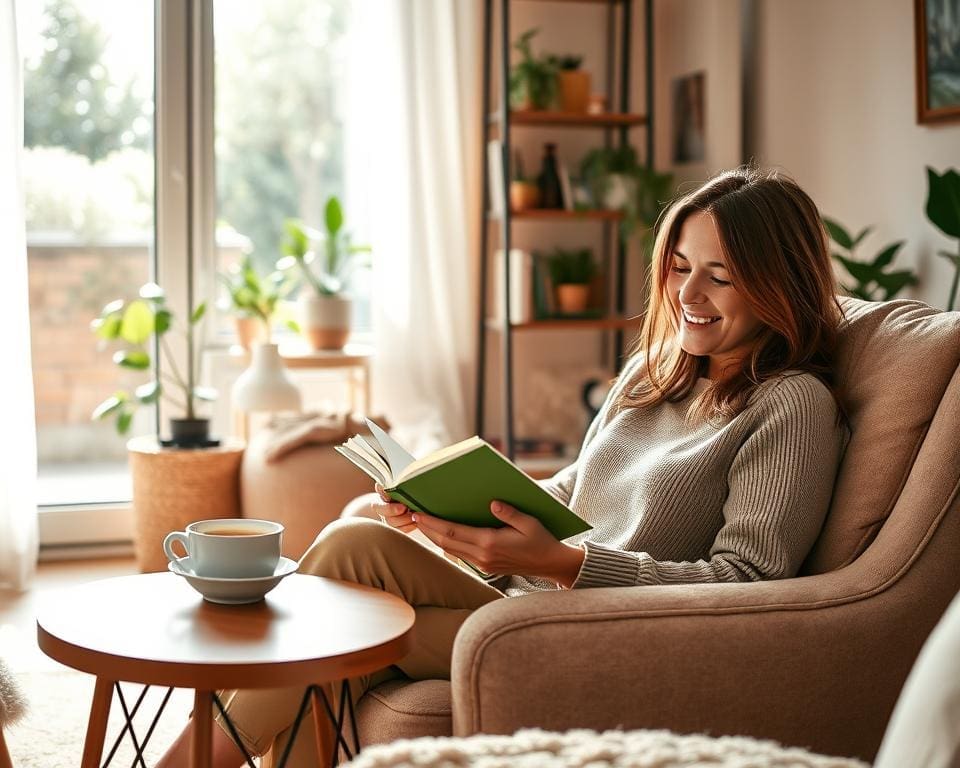

You want solo activities free time that lift your mood and fit your routine. This short guide shows how solo hobbies and activities for alone time can boost creativity, reduce stress and build self-reliance. Research from the Office for National Statistics links leisure time to better mental wellbeing, while arts and health studies find creative hobbies cut anxiety. Evidence from the University of Cambridge and lifelong learning programmes across UK universities shows learning new skills supports cognitive resilience.
These pages will be practical and UK-focused. Section 2 covers creative and relaxing solo leisure ideas you can try at home. Section 3 outlines outdoor and active options, from gentle walks to more vigorous outings, and links to trail planning and wellbeing benefits on sites such as this outdoor guide for year-round nature activities. Section 4 looks at practical and social solo activities that enrich daily life.
The suggestions suit a wide range of ages and abilities and include low-cost or no-cost options for limited space or mobility. Use local libraries, NHS mental health pages, BBC Bitesize for beginners, The National Trust and council trails to find resources and safe routes. Practical safety tips are included in later sections so you can make the most of free time without unnecessary risk.
Pick a focus—relaxation, creativity, fitness or self-improvement—and try one thing this week. Track progress, note what you enjoy, and adapt the activity to your schedule. Small steps with consistent solo leisure ideas turn free hours into meaningful time well spent.
solo activities free time
Use spare hours to explore simple, rewarding pastimes that suit your pace. Pick one or mix a few to keep each session fresh. Short, focused projects help you form a habit without overwhelming your schedule.
Creative hobbies to try alone
If you want to try drawing painting sketching, start small with an A4 sketchbook and a pencil set. Retailers such as Hobbycraft and Cass Art sell starter kits with HB–6B pencils and basic watercolour sets. Use quick projects like 10-minute sketch warm-ups, a one-week monochrome study or a 30-day drawing challenge to build momentum.
Look for online art classes UK if you need guidance. BBC Bitesize covers basics, while YouTube channels and platforms like Skillshare and Domestika offer technique and structure. If you want to learn to draw formally, consider City Lit or local council-run adult education classes for hands-on tuition.
Try knitting for beginners kits from John Lewis or Wool Warehouse for a relaxing craft. Simple scarves, cushion covers and embroidered patches make satisfying first projects. For DIY projects solo, pick one-hour tasks and use habit trackers to keep going.
Relaxing solo pastimes
Mindfulness meditation can reduce stress in 5–10 minutes daily. Guided sessions, breathwork and body scans are easy to learn with apps like Headspace and Calm. Pair meditation with journaling to reflect on how you feel.
Indoor gardening beginners can start with spider plant, pothos or basil. Follow RHS advice on light and compost. Window-sill herb gardens and small container veggies fit even tiny flats.
Listening to audiobooks podcasts UK is a great way to make solo time feel companionable. Use Audible UK, BBC Sounds or Spotify to build mood-based playlists for relaxation activities alone or focused work. Audiobooks work well while you walk, cook or craft.
Learning and personal development
Online courses UK and language learning solo keep your brain active. Platforms such as FutureLearn, Coursera and Duolingo make short, measurable progress possible. Set SMART goals, use spaced repetition tools and join language tandems to practise speaking.
For skill building in free time, try coding for beginners with Python or HTML/CSS using Codecademy and freeCodeCamp. Photography basics are easy to learn with smartphone cameras and editing apps like Lightroom Mobile. Cooking new recipes from BBC Good Food sharpens practical skills.
Keep progress visible by breaking goals into micro-tasks, using habit trackers and sharing results in online communities. Small, steady steps make solo learning manageable and enjoyable.
Outdoor and active solo ideas to boost wellbeing
Getting outside is one of the simplest ways to lift your mood and build fitness. You can choose gentle routes or push for a day hike, plan mindful outdoor time in a city park, or set fitness goals that suit your schedule. Below are practical ideas to help you enjoy nature and keep active on your own.
Nature-based activities
Start with short walks on nearby UK trails to learn route planning and build confidence. For beginners try 1–3 mile gentle walks, then progress to longer day hikes. Use Ordnance Survey maps or the OS Maps app and consult Walkhighlands in Scotland for specific routes.
Pick recognised paths such as sections of the South West Coast Path, easy Lake District loops like Derwentwater, the South Downs Way day sections, or Hadrian’s Wall short walks. Local heathland or urban parks make great daily options.
Prioritise safety. Share your route with someone, check Met Office forecasts, wear suitable footwear and carry water, snacks, a mobile phone, a whistle and a waterproof layer. If you head into remote areas keep Mountain Rescue contacts handy.
If you enjoy birdwatching beginners can start with 8×42 binoculars, a pocket field guide such as the Collins Bird Guide or RSPB leaflets, and apps like Merlin Bird ID or eBird. Learn calls, watch behaviour and visit RSPB reserves or wildlife trusts for guided events.
Try nature journaling to deepen observations. Note date, location and weather, sketch key features and compile seasonal projects. Use a waterproof notebook so your notes survive damp days.
For mindful outdoor time pack simple food, a blanket and a single task such as reading, sketching or breathing exercises. Visit Hyde Park, Regent’s Park or Heaton Park for accessible green space or a nearby National Trust site for a quiet picnic.
Fitness and movement for one
Solo running is easy to start with Couch to 5K programmes and the NHS Couch to 5K app. Follow solo running tips like wearing high-visibility clothing, telling someone your route and testing new terrain in daylight. Parkrun can be used for pacing rather than competition.
Plan cycling routes with Sustrans and the National Cycle Network. For cycling alone safety means a good helmet, lights and basic bike maintenance. Local shops such as Halfords or independent bike shops can service your bike and advise on tyres or gears.
Home workouts UK options include HIIT, bodyweight circuits and guided sessions from NHS Fitness Studio or trusted YouTube trainers. Start with 20–30 minute sessions and increase intensity gradually to avoid injury.
Yoga pilates at home works well for flexibility and core strength. Try Yoga with Adriene videos or apps like Down Dog if you prefer guided practice. Consider local drop-in classes for hands-on feedback and better form.
Solo outdoor sports such as skateboarding or swimming suit different tastes. Choose safe skate spots or skate parks, wear protective gear and join local clubs to improve. For swimming, use leisure centre lanes or practise open-water swimming with a tow float and follow Swim England guidance.
Set measurable targets for solo outdoor sports and training. Track distance, technique and progress. Occasional coaching sessions can speed improvement while keeping your activity varied and rewarding.
Practical and social solo activities that enrich your life
Use your free time to build useful habits that also broaden your social circle. Start small with room-by-room decluttering tips UK: try 15–60 minute sessions and a KonMari-inspired sort of keep, discard, repair or donate. Use clear storage boxes, label items and recycle responsibly. For large items, check your local council bulky waste collections and consider donating to British Heart Foundation, Oxfam or Sue Ryder.
Plan money goals alongside practical skills with budgeting for personal goals. Try a one-month spending audit, set short- and long-term aims such as an emergency fund or a travel pot, and automate saving with standing orders. Use UK apps and tools like Monzo, Starling or Yolt, and consult MoneyHelper for free debt advice and planning.
Develop daily skills that save time and money by batch-cooking and menu planning. Batch-cook staples — grains, proteins and sauces — and use freezer-friendly recipes. Learn core methods such as roasting vegetables, poaching fish and one-pan meals, and use resources like BBC Good Food or River Cottage for reliable recipes. Supermarket recipe boxes and local cooking classes can speed up learning.
Expand your impact and social options through solo volunteering, joining clubs alone and attending events solo UK. Try remote volunteering via Volunteering Matters or Do-it.org, or help at food banks, charity shops and conservation groups such as The Wildlife Trusts or RSPB. For social growth, attend a trial session at City Lit or a local community centre, set a small social goal like speaking to one new person, and use reviews to find welcoming groups.
Create a personalised free-time plan with 2–3 priorities: one creative hour twice weekly, two 30-minute outdoor sessions and one course module per month. Balance solitary time with social contact, monitor mood changes and schedule calls or meetups. For safety solo activities, share plans with a friend, carry ID and an emergency contact, follow the Countryside Code and check venue accessibility and opening times before you go.