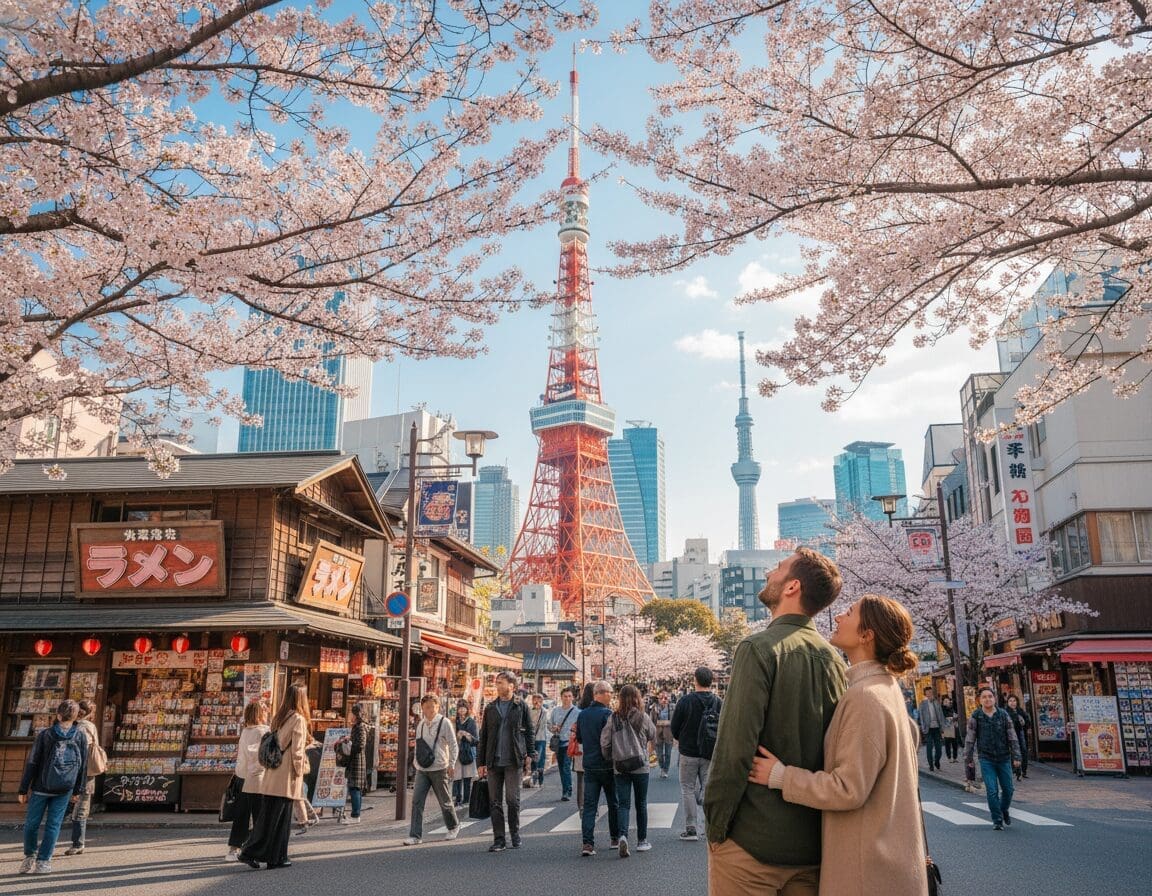

Tokyo is a dynamic global metropolis where centuries‑old tradition sits beside cutting‑edge modernity. You will see neon skyscrapers next to tranquil shrines and find Michelin‑starred restaurants alongside lively street stalls. These contrasts explain many Tokyo travel reasons and show why visit Tokyo is a compelling question for any traveller.
The scale and variety here are hard to match. World‑class museums such as the Tokyo National Museum, skyline viewpoints like Tōkyō Skytree and Roppongi Hills Mori Tower, and neighbourhoods from Shibuya to Asakusa each offer distinct character. Safety, cleanliness and advanced infrastructure make the Japan capital travel experience reassuring for visitors from the UK.
Flights from Heathrow and Gatwick reach Haneda or Narita in about 11 to 13 hours. From there, the Keisei Skyliner, Narita Express and the Haneda monorail provide fast, straightforward links into central Tokyo. These connections help explain why Tokyo travel bucket list entries are accessible even on shorter trips.
Seasonality shapes your visit. Late March to early April brings cherry blossom hanami, summer offers lively matsuri and fireworks, autumn delivers vivid foliage and mild weather, and winter features illuminations and New Year traditions. Be aware that airfare and hotel prices peak during sakura season and Golden Week.
Tokyo suits many types of travellers. First‑timers can tick off iconic sights, culture lovers will enjoy traditional arts and festivals, foodies can sample everything from yakitori to kaiseki, and outdoor enthusiasts can use the city as a base for day trips to Mount Takao or Nikko. These Tokyo travel reasons make it simple to understand who should visit Tokyo.
Expect varied costs: Tokyo can be expensive, but you will find budget options in hostels, izakaya and local trains. English signage is common across transport hubs and major districts, though a few Japanese phrases go a long way. Mobile coverage is widespread and pocket Wi‑Fi or eSIMs are easy to obtain, keeping you connected as you explore.
Tokyo travel bucket list: must-see sights and neighbourhoods
Tokyo blends towering modernity with pockets of old Tokyo charm. You can plan days to fit iconic Tokyo landmarks, lively Tokyo neighbourhoods and short escapes beyond the city. This guide points you to standout spots, practical tips and the small experiences that make a trip memorable.
Iconic landmarks that define Tokyo
Start at Tōkyō Skytree for sweeping Tōkyō Skytree views from the Tembo Deck and Tembo Galleria. Visit early or book tickets to reduce queuing and pair the visit with Solamachi shopping or the Sumida Aquarium.
Sensō‑ji Temple in Asakusa offers a contrast to the skyline. Walk through the Kaminari‑mon gate, browse Nakamise‑dori for traditional snacks and catch the calm of morning rituals before crowds arrive.
Shibuya Crossing stands as one of the busiest pedestrian intersections in the world and is a must for photos. See the Hachikō statue, wander Centre‑Gai, and take in city panoramas from Shibuya Sky at dusk for dramatic lighting.
Distinctive neighbourhood experiences
Harajuku Takeshita Street is the heart of youth fashion. You can sample crepes, spot colourful street styles and browse indie designers, then stroll to Omotesandō for luxury boutiques and Meiji Jingu for a peaceful shrine walk.
Shinjuku nightlife changes the district after dark. Explore Kabukichō’s neon, sip in Golden Gai’s tiny bars, try yakitori down Omoide Yokocho and relax in Shinjuku Gyoen by day. Use the Metropolitan Government Building free observation decks for another skyline view.
Ginza dining brings refined evenings with flagship stores such as Mitsukoshi and Ginza Six, high‑end sushi and kaiseki restaurants and theatre at Kabukiza. Evening strolls reveal illuminated façades and rooftop bars for a polished end to your day.
Day trips and nearby escapes
Nikko temples lie about two hours by train and reward you with ornate Tōshōgū Shrine, cedar forests and waterfalls. Visit in autumn for vivid foliage and accessible UNESCO heritage.
Kamakura offers a relaxed coastal mood and the Kamakura big Buddha at Kotoku‑in. Combine temple visits with seaside cafés and a short train ride from Tokyo for an easy day out.
Mount Takao hike is roughly 50 minutes from Shinjuku and suits families and casual walkers. You can choose trails or a cable car, visit Yakuōin temple and enjoy panoramic views of Tokyo and Mount Fuji on clear days.
Culture, food and festivals that make Tokyo unforgettable
Tokyo blends centuries-old ritual with bold creativity. You can witness serene traditions and cutting-edge art across short journeys. Use this guide to plan experiences that match your interests and timing.
Traditional culture and modern creativity
You can attend a tea ceremony Tokyo at Hamarikyu Gardens or through Urasenke schools to learn precise movements and calm focus. For a sumo stable visit, book morning practice in Ryōgoku in advance and respect the wrestlers’ space; arrive early and follow photography rules.
Catch a performance at Kabukiza Theatre in Ginza; single‑act tickets let you sample kabuki without a long evening commitment. Pair museum time with local streets: visit Mori Art Museum and teamLab Borderless or teamLab Planets to experience contemporary art Tokyo in immersive settings.
Explore independent design shops in Daikanyama and Nakameguro, then head to Akihabara for anime culture, maid cafés and specialist stores. Mixing neighbourhoods with museums gives a fuller sense of Tokyo culture.
Must-try foods and dining tips
Your Tokyo food guide should include sushi Tokyo at all price points. Try conveyor‑belt and standing sushi bars for quick, affordable meals. For special occasions, consider mid‑range omakase counters or Michelin‑starred restaurants such as Sukiyabashi Jiro, remembering reservations are hard to secure.
Visit depachika food halls in Shinjuku Takashimaya and Isetan for regional treats and high‑quality takeaway. Sample takoyaki, taiyaki, yakitori, melonpan and Harajuku crepes at nearby stalls for authentic depachika street food experiences.
Learn basic izakaya etiquette before a night out. Order shared plates, remove shoes where required, and be prepared to pay at the counter in many venues. Reserve on busy evenings and carry some cash, though many places accept international cards.
Annual festivals and seasonal highlights
Tokyo cherry blossoms attract crowds each spring. Visit Ueno Park, Shinjuku Gyoen, Chidorigafuchi and Sumida Park as top hanami spots Tokyo. Aim for late March to early April and arrive early to claim a picnic spot while following park rules.
Summer brings Tokyo matsuri, from the Sumida River Fireworks to Asakusa Sanja Matsuri and local mikoshi processions. Expect crowds, dress for heat and book reserved fireworks viewing where available for better sightlines.
Winter illuminations brighten evenings at Roppongi Midtown, Marunouchi and Omotesandō. New Year traditions include hatsumode at Meiji Jingu and seasonal menus across restaurants. These seasonal highlights round out a visit and show how Tokyo culture changes through the year.
Practical tips for planning your Tokyo trip
Prepare well and your time in Tokyo will feel smoother. The city has a huge rail and metro Tokyo network made up of JR lines, private railways and two subway operators, Tokyo Metro and Toei. Use apps such as Google Maps or Hyperdia to plan routes and allow extra time for transfers at major hubs like Shinjuku, Tokyo and Shibuya, especially during peak times.
Get an IC card Suica Pasmo for easy tap‑and‑go travel on most trains, buses and at convenience stores. You can buy and top up cards at stations. Consider the JR Pass Tokyo only if you plan longer intercity travel; it rarely pays off for intra‑Tokyo journeys. If you do activate a JR Pass, make seat reservations for busy services and avoid the morning and evening rush hours (roughly 07:00–09:30 and 17:00–19:30).
Choose where to stay based on what you want to do: Shinjuku for links and nightlife, Shibuya for shopping and youthful energy, Ginza for luxury and theatre, Asakusa for temples and family‑friendly atmosphere. Try to book near a JR Yamanote Line station for easy circle‑line access. Typical options include compact business hotels, serviced apartments for longer stays and occasional ryokan on the city outskirts if you want tatami and a more traditional experience.
Carry some cash in yen and use ATMs at 7‑Eleven or the Post Office for international cards, since smaller shops can be cash‑centric. Tipping is not customary in Japan and can seem rude; great service is part of the experience. For Tokyo safety and mobility, note that many stations and attractions offer elevators, tactile paving and accessible restrooms. Plan accessible routes in advance and book rooms with accessibility features when needed.
Bring a pocket Wi‑Fi or eSIM to help with navigation and translation, check your adaptor for Type A/B plugs (100V), and take travel insurance that covers health and activities. You will find English‑speaking clinics and international hospitals in central Tokyo if needed. Follow local etiquette—queue for trains, avoid loud phone calls on public transport and use simple phrases like arigatō and sumimasen to show respect.