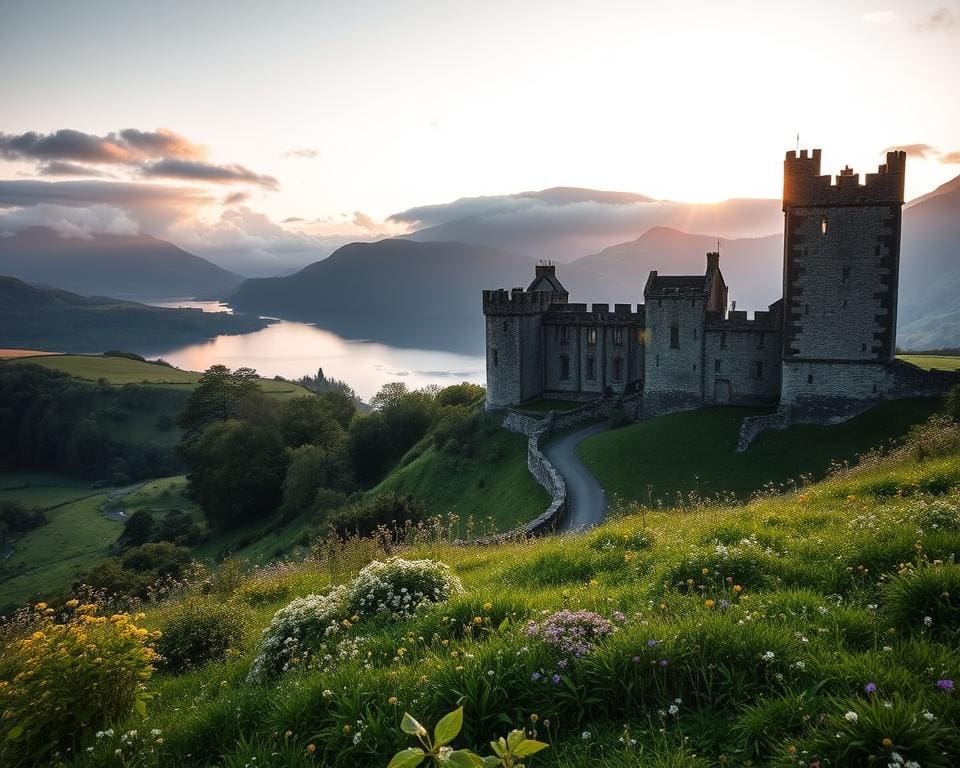

Scotland castles span centuries, from medieval tower houses and ruined strongholds to romantic Victorian castellated mansions. You will see how these historic castles Scotland reflect clan history, feudal conflict and later aristocratic tastes as you plan your visits.
This Scottish castle travel guide points you to the best castles in Scotland, including well-known sites such as Edinburgh Castle, Stirling Castle, Urquhart Castle and Eilean Donan Castle, together with island seats like Dunvegan Castle. Each offers different appeals — architecture, photography, coastal views or tranquil gardens — so you can choose castles to match your interests.
Practical aims are simple: help you visit castles Scotland with confidence, understand opening times and access, and combine sites into logical Lowlands, Highlands and island routes. You will also find transport and seasonal tips, plus accessibility notes relevant to visitors from the UK.
For verified visitor information, check Historic Environment Scotland, National Trust for Scotland and individual estate websites, and see a concise local perspective in this short guide to Edinburgh’s sites and routes for further reading: Edinburgh castles and Arthur’s Seat.
Scotland castles: iconic sites and must-see highlights
Scotland offers a mix of stately keeps, romantic ruins and living houses. You will find castles set on hills, beside lochs and along windswept coasts. This section points you to why certain places rank among the most beautiful and gives practical advice for planning castle visits Scotland.
Why these castles are considered the most beautiful
Beauty comes from craft and context. Architectural significance matters: medieval keeps, Renaissance palaces and Victorian baronial mansions show different eras. Edinburgh Castle presents a commanding silhouette and national artefacts. Stirling Castle displays Renaissance detail and royal chambers.
Setting plays a part. Eilean Donan sits at a loch edge and photographs exceptionally well. Urquhart Castle offers a dramatic ruin on Loch Ness. Dunvegan Castle illustrates living continuity as the MacLeod seat.
State of preservation shapes the visit. Some sites are fully intact with museums and guided tours. Others survive as evocative ruins that reward imagination. Stewardship by Historic Environment Scotland, the National Trust for Scotland and private trusts affects interpretation and access.
How to plan your visits and make the most of each site
Start by checking official websites for opening times and ticketing. Advance booking is sensible for Edinburgh Castle and other peak attractions.
Group castles geographically to save travel time. Combine Stirling with nearby Doune for a central Scotland loop. In the Highlands, join Urquhart with Fort Augustus and Glen Affric for variety.
Use guided tours, audio guides and on-site interpretation to deepen understanding. Look for family-friendly trails and interactive exhibits if you are travelling with children. Note mobility limits at many ruins and confirm wheelchair access at managed sites.
Plan visit lengths to match the site. Quick photo stops need one to two hours. Larger castles with museums, gardens or full tours often require half a day or longer. Consider Historic Scotland memberships or explorer passes for savings when you plan multiple visits.
Best times of year to see the castles and avoid crowds
Visitor numbers peak from late spring to early autumn, roughly May to September, with the busiest weeks in July and August and during school holidays. Shoulder seasons in April–June and September–October bring milder weather and fewer crowds.
Late autumn has quieter coastal and island castles, though opening hours may be reduced. Winter delivers atmospheric landscapes and low visitor numbers, but many smaller sites close or limit access. Always confirm seasonal hours before you travel.
Weather changes quickly. Pack layers, waterproofs and sturdy footwear, especially for exposed sites and ruins. Follow local advice on safety and access when you set out.
Castles with dramatic coastal and island settings
The sight of a fortress set against salt spray and open water is a powerful draw. Coastal castles Scotland and island castles Scotland offer striking views, rich histories and varied access that shape your visit. Plan for tides, ferries and narrow roads to make the most of each stop.
What makes a coastal castle special
Coastal strongholds often command lochs, sea channels or headlands, giving dramatic photo opportunities and strategic outlooks. Many served defensive maritime roles during clan conflicts and maritime trade eras. You will see causeways, tidal islets and towers built to watch shipping lanes.
Access can vary widely. Some sites sit on tidal islets and demand careful timing, while true castles on islands require boat crossings. Tidal timetables and seasonal ferry schedules influence when you can arrive and depart.
Recommended coastal castles to visit and travel tips
- Eilean Donan — an iconic photograph and a sympathetic 20th‑century restoration that pairs well with drives toward Skye.
- Dunvegan Castle (Isle of Skye) — the MacLeod seat with gardens and boat trips for seal viewing.
- Castle Stalker — a lone tower on Loch Laich that rewards visitors who view it from established viewpoints.
- Kisimul Castle (Barra) — a unique island experience reached by local boats from Castlebay.
- Brodick Castle (Isle of Arran) — coastal gardens and an estate with wide views over the Firth of Clyde.
- Dunstaffnage Castle — close to the sea channel near Oban with early medieval links to Scottish kings.
Allow extra time for small-boat connections and tide-dependent crossings. Book any limited-capacity boat trips in advance. For photography, aim for golden hour and use viewpoints that capture water reflections and causeway lines. Keep safety in mind near cliffs and fast tides.
Transport options: ferries, scenic drives and guided tours
Scotland ferry travel is essential for many island castles and often uses Caledonian MacBrayne services or smaller operators. Local boat operators serve specific sites such as Kisimul.
Scenic castle drives link coastal sites across regions. Consider the North Coast 500 for northern coastal castles or cross the Skye Bridge and explore Skye’s fortifications. The A82 runs along western lochs and provides a practical route to Eilean Donan.
Guided tours from Inverness, Glasgow or Edinburgh provide transport, local commentary and timed entries, which can ease planning. Expect narrow rural roads with single‑track sections; hire an appropriate vehicle and leave room in your itinerary for slow sections and photo stops.
Castles surrounded by stunning landscapes and gardens
Many of Scotland’s grand homes sit within planned landscapes that shape how you move through them. These designed estates date to the 18th and 19th centuries, when Capability Brown–style ideas met Victorian planting. The result is sweeping vistas, planted specimen trees and routes that guide you from house to garden to parkland.
Historic estates and their designed landscapes
When you visit castle estates Scotland you will often find parkland created to frame the building and its approach. Blair Castle grounds in Perthshire sit within rolling parkland that was carefully laid out to show the house at its best. Floors Castle near Kelso retains specimen trees and broad lawns that give a sense of scale to its estate. Stewardship varies: some sites are managed by the National Trust for Scotland, others remain in private hands or are cared for by trusts that interpret landscape history for visitors.
Castles with noteworthy gardens and seasonal floral displays
For formal beds and topiary, Dunrobin Castle gardens are among the most celebrated. Visit in late spring or summer to see borders at their peak. Crathes Castle offers walled gardens and dramatic rhododendron displays in late spring. Inverewe Garden near Wester Ross benefits from the Gulf Stream and shows subtropical planting from spring through early autumn. Culzean Castle provides cliff-top woodland gardens with coastal views that work well from spring to autumn.
Some gardens have separate admission or timed entry. Check ahead if you want a guided garden tour, a seasonal plant sale or events such as snowdrop and bluebell walks. Threave Garden near Castle Douglas runs sheltered plots and seasonal displays that reward quieter visits.
Walking routes and nearby natural attractions to combine with your visit
Pair garden visits with longer walks if you can. Glen Affric and the Cairngorms offer mountain scenery near many Highland castles. Coastal routes near Dunvegan and Dunstaffnage bring sea views and wildlife into the day’s plan. Estate paths at Floors, Balmoral and Blanefield provide riverside and hill walks that are family friendly.
Trail grades vary. Many estate paths are waymarked and suit casual walkers. Remote routes need maps, waterproofs and sturdy footwear. Look out for guided walks or ranger-led events arranged by castle trusts and local visitor centres to add context to your castle walks Scotland experience.
Castles with fascinating history, architecture and visitor experiences
You will find a wide range of castle history Scotland in every region, from medieval curtain walls and keeps at Stirling and Urquhart to Victorian baronial revival examples like Balmoral and Culzean. Scottish castle architecture often records shifts from defence to domestic comfort and later romantic revival, so your visit can move from cannon embrasures to ornate royal apartments within a few miles.
Edinburgh Castle exhibitions present crown regalia, military displays and sweeping city views, while Stirling Castle history is told through restored Renaissance rooms and interactive displays on James V and Mary, Queen of Scots. At Urquhart you meet atmospheric ruins beside Loch Ness with a visitor centre and boat options, and Doune Castle brings history and pop culture together through its film and television connections.
For the best visitor experiences Scotland castles offer, book guided tours to access specialist insight into architecture, clan stories and conservation work. Many larger sites provide step-free routes, cafés and family trails, but smaller ruins can lack facilities so check ahead. You can also enrich your trip with local walking guides and tailored trips from providers such as Invisible Cities Tours and Balmoral Executive, who shape itineraries around key Old Town highlights.
Plan a balanced itinerary that mixes high-profile attractions with quieter stately homes like Floors Castle to experience grand interiors, art collections and estate walks. Look for exhibition content such as armoury displays, tapestries and restoration narratives; these conservation stories, from Stirling’s recent restorations to Urquhart’s stabilisation, deepen your understanding of how these places survive and change.