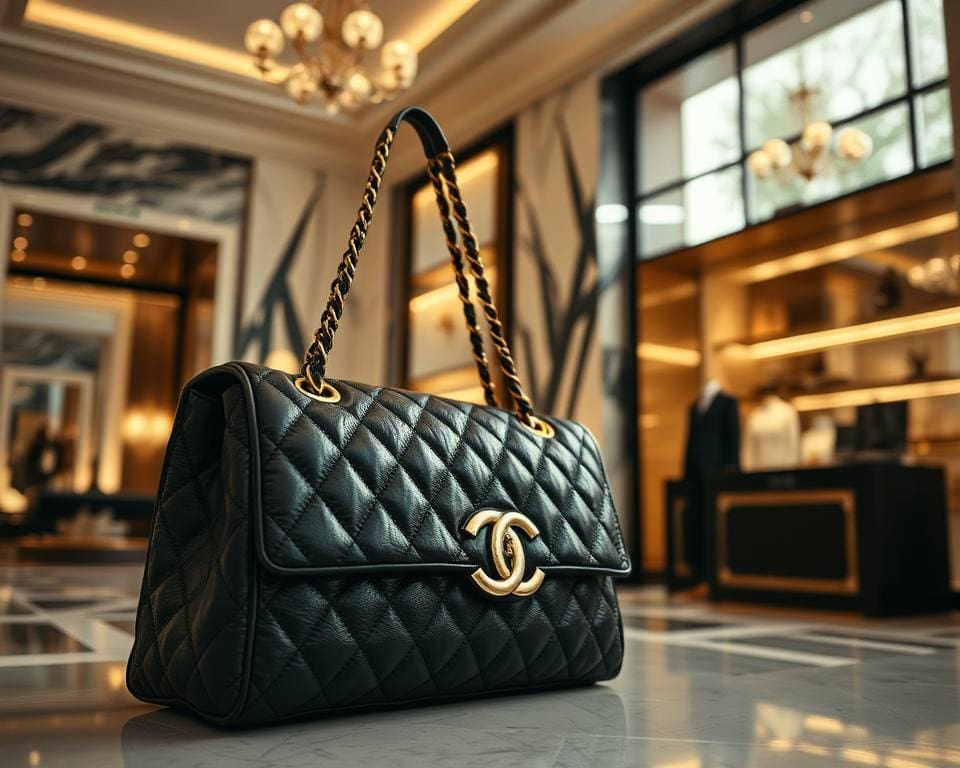

For many in the United Kingdom, a Chanel handbag is the ultimate aspiration when you want to elevate your wardrobe. The maison founded by Gabrielle “Coco” Chanel has shaped modern style since the early 20th century, and a luxury Chanel handbag signals refined taste as well as lasting quality.
This guide is a curated look at the best Chanel handbags, designed to help you choose, care for and style the right piece. You will learn why a Chanel classic bag and other models are often classed as Chanel investment bag choices, which signature styles to prioritise, and how resale value is affected by size, material and season.
We also cover practical points specific to Chanel bags UK shoppers: availability at Chanel boutiques on New Bond Street and Sloane Street, and reliable pre-owned channels such as The RealReal, Vestiaire Collective and Hardly Ever Worn It. Later sections explain authentication tips, quality cues and the resale potential of limited editions versus core pieces.
Use the quick navigation: the article is split into sections on investment rationale and authentication; signature styles and differences; buying, maintenance and styling advice. Prices change often as Chanel implements increases, so understanding value and counterfeits will help you make a confident purchase.
Why a Chanel handbag is a timeless investment
When you consider a Chanel handbag, you buy more than a fashion item. You invest in a lineage of style and skill that traces back to Gabrielle Chanel in 1910 and the landmark 2.55 of 1955. That history underpins Chanel heritage and helps explain why these pieces command attention on the high street and at auction.
Heritage and craftsmanship behind every piece
Chanel craftsmanship rests on artisanal methods that remain central to the house. Skilled ateliers in France and Italy use hand-stitching, precise diamond quilting and expert chain-weave to create bags that feel made by hand, not by machine.
Your knowledge of provenance matters. A bag produced under strict atelier standards is more likely to last and retain desirability across generations. That human touch supports higher prices for genuine pieces.
Iconic designs that hold value over time
Signature models such as the 2.55, Classic Flap, Boy Chanel, Chanel 19 and Gabrielle are perennial favourites. Chanel’s controlled distribution and periodic price rises help maintain demand, which improves Chanel resale value for well kept pieces.
Limited editions and rare seasonal releases often achieve premium prices on specialist resale platforms and at auction. For you, that means investment handbags from Chanel can appreciate if you choose wisely and preserve condition.
Materials, construction and quality cues to look for
Chanel materials range from lambskin and caviar leather to tweed and exotic skins that follow CITES rules. Lambskin feels soft and luxurious but marks more easily. Caviar leather is grained calfskin with strong scratch resistance.
Look for tight, even diamond quilting that aligns at seams, neat stitching—often many stitches per inch—and heavy, well finished hardware in gold-tone, aged brass or ruthenium. Inside, check for clear embossed logos, sturdy zips and a readable serial number.
When assessing resale, use condition grades such as excellent, very good, good and fair. Patina, scuffed corners and chain slack reduce Chanel resale value even if the design remains sought after.
How to authenticate and avoid counterfeits
To authenticate Chanel bag, start with the serial number sticker and authenticity card, noting that formats vary by production year. Examine hologram details, logo font and spacing, chain weight and the leather threaded through metal for consistency.
Use professional authentication services when in doubt. Buy from reputable sellers and boutiques, or platforms that guarantee checks. Watch for tell-tale counterfeit signs: misaligned quilting, lightweight hardware, sloppy stitching and prices far below market averages.
Invest with care and you hold more than a handbag; you hold a piece of design history crafted to endure.
Top Chanel handbag styles to consider for your collection
Choosing which Chanel pieces to add requires thought about shape, use and longevity. You will find that classic lines sit alongside bolder, modern designs. This section outlines signature features, styling ideas and how to weigh resale potential when you decide between heritage and seasonal Chanel bags.
Classic Flap Bag: The Chanel Classic Flap is defined by its diamond quilting, the iconic turn-lock—Mademoiselle or CC depending on year—and the double-flap interior. A leather-interlaced chain strap and rectangular silhouette trace back to Coco Chanel’s 2.55 and were refined by Karl Lagerfeld.
Sizes commonly include mini, small/medium, jumbo and maxi, while lambskin and caviar leathers are regular offerings. Wear it crossbody for daytime ease or on the shoulder for evening polish. Pair it with tailored suiting for formal looks or with relaxed jeans to create contrast. Core colours like black and beige typically hold value best on the resale market.
Boy Chanel: The Boy Chanel arrived in 2011 as a more structured, masculine-inspired alternative. It features a chunky chain, a rectangular CC clasp and boxier lines that give it a modern edge.
This style suits a younger, fashion-forward buyer or anyone who prefers contemporary silhouettes. Look for aged hardware, smooth calfskin, tweed or exotic finishes. The Boy reads well with casual tailoring, leather jackets and street-style outfits. Seasonal collaborations and rare finishes often boost its collectibility and resale appeal.
Gabrielle and contemporary silhouettes: The Chanel Gabrielle introduced a softer, mixed-material approach with adjustable straps for crossbody wear. Its relaxed shape targets active, modern lifestyles.
Other recent designs include the Chanel 19 with oversized quilting and a supple structure, plus mini and micro trend pieces that experiment with materials and motifs. These contemporary silhouettes are prized for everyday versatility. Their resale value depends on season demand and the particular materials or collaborations.
Seasonal and limited-edition pieces: Chanel’s runway, cruise and Métiers d’Art releases produce unique colours, fabrics and limited runs that become collectors’ items. Seasonal Chanel bags in rare finishes often attract strong interest when linked to notable collections.
Rarity can drive resale performance, especially for discontinued pieces or high-profile collaborations. Be cautious: novelty items in delicate materials or extreme trends may not retain long-term value.
How to pick size and colour: Start by assessing your daily essentials. A mini or small suits phones, keys and a compact; a jumbo or maxi fits tablets and documents. Use Chanel sizes as a guide when comparing measurements.
For colour, choose core neutrals for longevity and versatility. Add one or two seasonal shades or metallics for statement use. Match leather type to your lifestyle: lambskin for formal care, caviar for durability. Consider your frame when selecting scale, and coordinate metal tones with your jewellery to create a cohesive wardrobe.
Buying, caring and styling your Chanel handbag
When you decide to buy Chanel bag in the UK, start at official Chanel boutiques on New Bond Street or Sloane Street for guaranteed authenticity and after-sales service. Authorised department stores also offer secure Chanel UK purchase options, while reputable pre-owned marketplaces such as Vestiaire Collective, Hardly Ever Worn It and The RealReal can help you find rare or discontinued pieces. For resale buys, request detailed condition reports, high-resolution photos of serial stickers, hardware and stitching, and confirm return policies and buyer protection before you commit.
Chanel care tips and maintenance matter from day one. Store your bag in a dust bag away from direct sunlight and keep its shape with acid-free tissue or a bag shaper. Clean gently with a soft, dry cloth and use leather-specific conditioners sparingly and only on suitable leathers. For serious damage or exotic skins, seek reputable repair specialists or Chanel’s repair service, and follow legal documentation rules for CITES-protected materials.
Practical seasonal care is essential in the UK climate: avoid leaving leather in prolonged damp, use silica packets to reduce moisture, and be wary of colour transfer from denim onto light leathers. Regular rotation of wear will limit concentrated scuffs, and protecting hardware from rough surfaces helps preserve resale value. If you plan to buy across borders, factor in VAT, potential import fees and Chanel’s frequent price adjustments when budgeting for a purchase.
For Chanel styling, let the bag lead the look. Use the Classic Flap for formal and business occasions, the Boy for a modern edge and the Gabrielle or Chanel 19 for everyday wear. Pair neutral bags with bolder outfits, and balance statement pieces with minimal clothing. Adjust strap length—crossbody, shoulder or hand-held—to suit your routine, and build a considered collection over time, starting with one classic piece and adding seasonal or statement models to reflect changing needs and tastes. For more on vintage appeal and craftsmanship that influences styling choices, see this discussion on showstopping retro bags: vintage handbag insights.