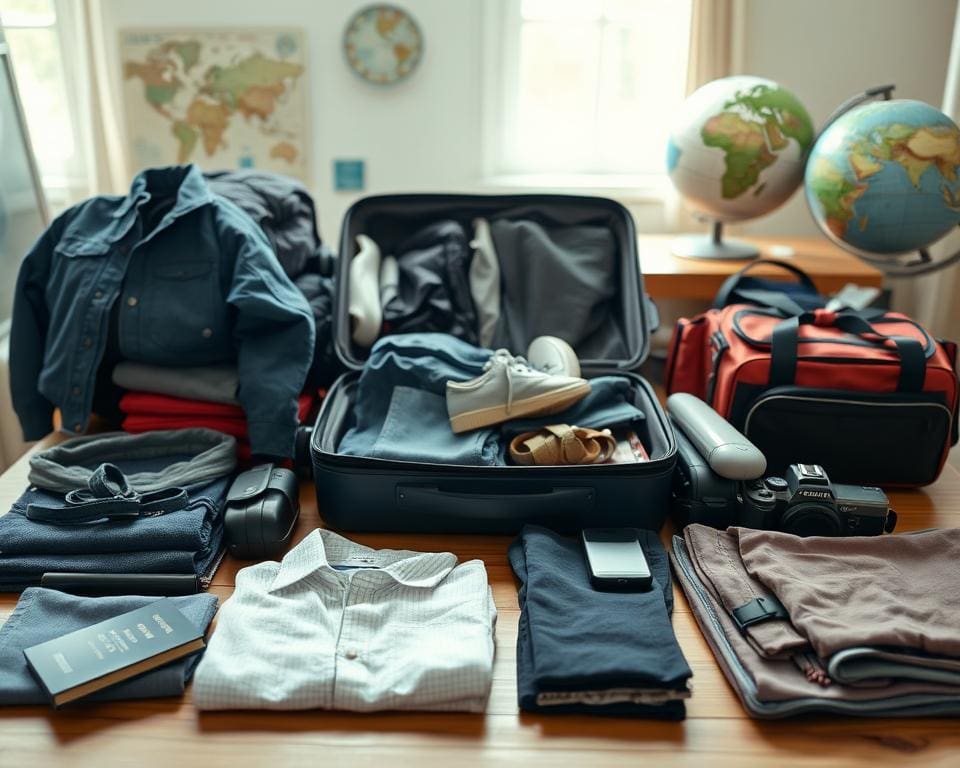

Travelling for fourteen days means you need a plan that keeps things light, organised and adaptable. This guide shows you travel packing basics and explains how to pack for two weeks without bringing everything you own.
Start with versatile clothing and a capsule wardrobe that covers city days and outdoor activities. Limit shoes, favour layers and pick fabrics that dry quickly to reduce laundry needs and help you travel light.
Choose a bag and organisation system that fits your itinerary. For multi-stop trips, a case with expandable compartments works well; for mixed travel with trains, a slightly larger carry-on that fits overhead racks can be most flexible. Check advice from Osprey and Samsonite on balance and weight distribution, and consider practical guidance like the UK Civil Aviation Authority rules when you finalise dimensions and liquids.
Packing efficiently relies on space-saving methods—rolling, compression and packing cubes—and on sensible electronics and toiletries choices. Following this approach helps you avoid checked-bag fees, meet typical UK carrier limits and move easily between stations, ports and hotels.
This article will outline a two-week packing list, detail essential items and gadgets, and finish with techniques for weight management and last-minute checks so you depart on time and within allowance. For a focused look at choosing the right suitcase, see this practical resource from SuperVivo.
Essential travel packing strategy for a two-week trip
Start with a clear plan that ties your itinerary to each clothing choice. Good itinerary packing avoids guesswork and keeps your bag light. Map out days for sightseeing, dining, hiking and beach time so you know how many of each item to pack.
Check local weather from reliable sources such as the Met Office before you finalise your list. Schedule laundry stops where possible; this reduces the number of items you must bring. Prioritise layering pieces — base layers, mid-layers and a waterproof — for adaptability across changing temperatures.
Plan your itinerary and wardrobe around activities
List activities by day and mark which outfits suit each plan. That lets you avoid duplicates and prevents overpacking. For active days, choose performance fabrics that dry quickly and resist creasing.
Factor in smart evenings and on-the-go comfort. A single smart outfit can cover several dinners if you switch accessories, so plan clothing that serves multiple purposes.
Create a capsule wardrobe for two weeks
Design a capsule wardrobe for travel using neutral colours and interchangeable pieces. Aim for roughly 5–7 tops, 2–3 bottoms and 1–2 smart outfits. Add a cardigan or lightweight jacket and plan underwear around laundry frequency.
Choose fabrics such as merino wool, synthetic blends and lightweight cotton mixes. These resist creasing and dry quickly. For footwear, pack one pair of comfortable walking shoes, one smarter pair or sandals, and optional flip-flops for showers or the beach.
Include small accessories like a scarf or belt to refresh looks without adding bulk. This approach to capsule wardrobe for travel multiplies outfit options from fewer items.
Choose the right bag and organisation system
Pick your best travel bag based on trip style: a 40–50L carry-on backpack for mobility or a 60–70L checked Samsonite or Osprey case for more gear. Check airline size and weight limits before you decide to travel carry-on only.
Use packing organisation tools to keep things tidy. Packing cubes separate outfits, compression sacks reduce bulk and a clear toiletry bag keeps liquids compliant for hand luggage. Keep passports and valuables in a secure travel wallet or neck pouch, preferably with RFID protection.
Distribute weight smartly. Place heavy items close to the back of a backpack or over the wheels’ base in a suitcase to improve balance and manoeuvrability. This packing organisation lowers strain and helps you move easily between destinations.
Packing smart: essentials, gadgets and toiletries
Start by setting out a clear two-week packing list so you can balance outfits, gadgets and health items. A tight capsule wardrobe keeps weight down and stops you overpacking. Think about the climates and activities you have planned and match fabrics like merino wool and quick-dry synthetics to those needs.
Must-have clothing and footwear list
For a practical two-week trip, pack five casual tops with a mix of short and long sleeves, two smart shirts or blouses, and three bottoms: jeans or trousers, lightweight trousers and shorts or a skirt. Add one smart outfit, a lightweight waterproof jacket, a fleece or merino sweater, sleepwear and enough underwear for 10–14 days or plan to wash weekly.
Include three to four pairs of socks that cover everyday and walking needs. For travel footwear choose supportive walking trainers from New Balance, Salomon or Nike, one smarter pair such as Clarks or Ecco, and lightweight flip-flops for hostels and beaches. Break in any new shoes well before departure.
Optional extras depend on destination: swimwear, thermal base layers, hiking trousers and a packable down jacket. Prioritise garments that layer well and resist odour to cut down on the number of items you need.
Toiletries and medication — travel-friendly choices
Follow the 100ml liquids rule in hand luggage by using travel-sized bottles or solid alternatives such as shampoo bars and toothpaste tablets. Use a clear 20cm x 20cm resealable bag for airport security checks and keep travel toiletries compact and organised.
Include essentials: toothbrush, toothpaste, SPF 30+ sunscreen, moisturiser, deodorant, shampoo or bars, razor, basic first-aid items and any prescription medication in original labelled containers. Carry a copy of prescriptions and a GP letter for controlled drugs and check UK government guidance for specific rules.
Consider travel insurance that covers medical needs and make sure you have enough supplies if pharmacies are scarce during your trip. If you travel with pets, review pet travel essentials and carrier recommendations at pet travel essentials.
Electronics, chargers and travel documents
Decide which devices you truly need and keep the list short: smartphone, travel adaptor, power bank, and a lightweight laptop or tablet only if required. A compact camera is optional if your phone camera does not meet your needs. Back up important files and photos to Google Drive, iCloud or Dropbox before you go.
Bring one or two multi-device cables and a small charging brick with multiple ports, for example from Anker, stored in a cable organiser. Store passports, insurance details and printed confirmations together, plus digital copies locked behind strong passwords and two-factor authentication.
Keep critical items in your hand luggage: passport with required validity, boarding pass, wallet, medication and a spare change of clothes. When packing electronics, plan for adaptors and power needs so you avoid last-minute purchases abroad.
Packing techniques, weight management and last-minute tips
Start with simple packing techniques: roll t-shirts, underwear and soft layers to save space and reduce creases, and fold structured items such as blazers or collared shirts to lie on top. Use packing cubes to group outfits by day or activity; they speed up finding things and keep your bag tidy throughout the trip. For bulkier items, compression sacks work well, but avoid over-compressing as that can make lifting harder and risk breaching weight limits.
Think about weight management for travel from the outset. Aim to leave a margin under airline weight limits so you can bring back souvenirs, and weigh your bag at home with a luggage scale to avoid airport fees. Prioritise multi-use items — a sarong that serves as a towel or a jacket that is both waterproof and warm — and wear heavier items on the plane to reduce carry-on mass.
Use layering inside the bag: place heavier items close to the wheels in a suitcase or against the back in a rucksack, and use socks or scarves as padding for electronics. Pack shoes in separate shoe bags and stuff them with socks to save space and keep shapes. For organisation and quick access, keep travel documents, medication and chargers in a dedicated pocket or small pouch.
Follow a short last-minute checklist the night before: confirm passports and visas, charge devices, check liquids comply with security rules, and leave a little spare room for purchases. Consider locks and discreet anti-theft bags for city days, and after you arrive unpack promptly and set a simple laundry routine. For guidance on which bag fits cabin luggage and features that matter, see this practical resource: which travel bag fits in cabin.