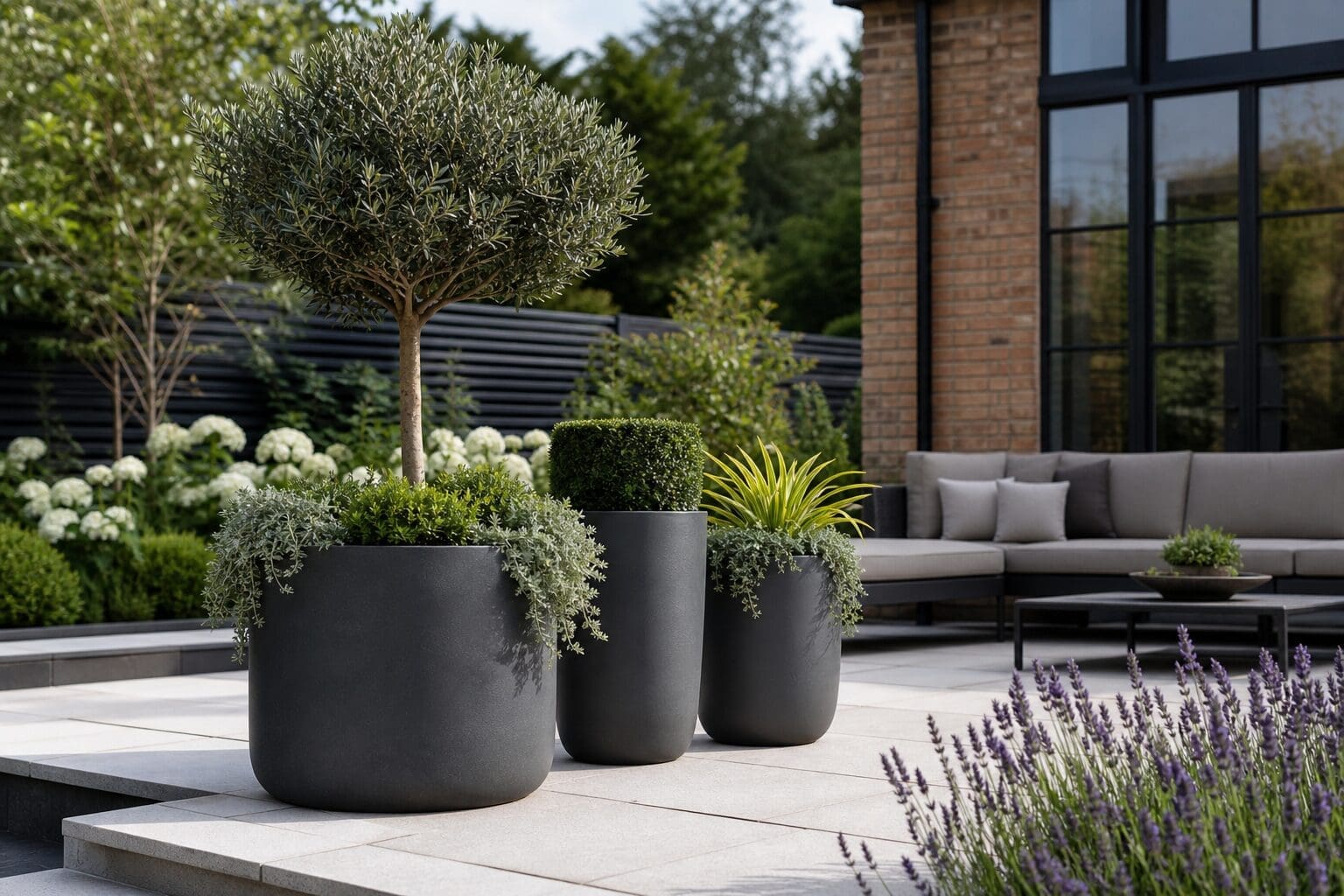

Premium designer planters can change the way a garden, terrace, courtyard or commercial entrance feels and functions. For businesses, they are more than decorative containers. They help define space, support planting schemes, improve first impressions and bring a polished design language to outdoor areas used by clients, visitors, residents and staff.
Why Planters Matter in Outdoor Design
A well-chosen planter is both practical and visual. It holds soil, supports healthy planting and allows greenery to be placed where beds or borders may not be possible. At the same time, it becomes part of the overall design of the space.
In B2B settings, this balance is especially important. A hotel terrace, office courtyard, restaurant frontage or residential development needs to look considered. Planting can soften hard landscaping, introduce seasonal interest and make exterior areas feel more welcoming. The planter itself helps achieve that effect by adding structure, colour, shape and material contrast.
Premium designs also support consistency. When several planters are used across a site, they can guide movement, frame entrances, divide seating areas or create a sense of rhythm. This is particularly useful in commercial outdoor spaces, where design decisions need to be attractive, practical and easy to maintain.
How Premium Designer Planters Improve Commercial Spaces
Premium designer planters are designed to show off both the plants and their surroundings. They help businesses create spaces that feel intentional rather than improvised. The difference is often visible in the details: clean lines, balanced proportions, durable materials and finishes that suit the wider architecture.
For a business, this can influence how people experience the environment. A well-planted entrance can feel more inviting. A terrace with large planters can feel more private and comfortable. A courtyard with carefully selected shapes and heights can feel calm, organised and premium.
Planters can also make outdoor areas more flexible. Unlike permanent beds, they can be positioned to suit the layout of a patio, roof terrace, balcony or paved forecourt. This makes them useful for spaces that need to adapt over time, such as hospitality venues, offices or managed residential areas.
Creating Strong First Impressions
The exterior of a property often sets expectations before anyone steps inside. For offices, showrooms, restaurants, hotels and serviced accommodation, the entrance is a key part of the brand experience.
Large planters beside doors, along pathways or near reception-facing windows can make an arrival feel more refined. Modern planter shapes may suit contemporary buildings, while classic designs can complement traditional architecture. The goal is not to overwhelm the space, but to make it feel complete.
The right planter can also bring scale to an entrance. Small pots may look lost outside a large building, while oversized containers can feel out of place on a compact frontage. Choosing the correct size helps the planting look proportionate and professional.
Defining Zones Without Building Walls
Outdoor commercial areas often need soft separation. A restaurant may want to divide dining tables from a walkway. An office terrace may need a relaxed seating zone. A residential development may require planting that distinguishes shared areas from circulation routes.
Planters are useful because they create boundaries without making a space feel closed in. Tall rectangular planters can form a green screen. Low wide containers can edge a pathway. Groups of planters can guide people naturally through a space.
This approach is flexible and visually appealing. It allows businesses to manage layout while still keeping the atmosphere open, green and welcoming.
Choosing the Right Size, Shape and Style
The effect of a planter depends heavily on its size, shape and design. A premium planter should suit the scale of the plants, the space around it and the wider style of the property.
Large planters work well in spacious terraces, hotel courtyards, office entrances and landscape projects. They can hold substantial planting and provide a strong architectural feature. Smaller planters are better suited to balconies, compact patios, doorways and grouped displays.
Shape also matters. Tall planters can add height and elegance. Long rectangular planters can create lines, edges and screens. Round planters often feel softer and more informal. Square containers provide a balanced, structured look that works well in both modern and classic settings.
Useful design considerations include:
- Scale: choose planters that match the size of the building, outdoor area and planting scheme.
- Placement: position planters where they improve movement, views and comfort.
- Consistency: use related colours, shapes or materials to create a coherent design.
- Plant needs: allow enough depth and width for roots, drainage and long-term growth.
- Maintenance: select styles and materials that suit the level of care available.
For B2B projects, it is often worth thinking beyond individual pots. A complete planter scheme can connect different areas of a site and make the outdoor environment feel professionally designed.
Materials That Balance Durability and Style
Material choice has a major influence on appearance, weight, durability and maintenance. Premium designer planters are often made from materials that combine style with practical performance.
Options such as fiberstone, fiberglass, ceramic and composite are used because they can offer attractive finishes while remaining suitable for different indoor and outdoor settings. Each material creates a different mood, so the best choice depends on the project, the planting and the required look.
Fiberstone and fiberglass can work well where a clean, modern finish is required. Composite materials can provide durability and versatility. Ceramic planters may be chosen for their decorative quality and timeless appeal. The important point is to choose a material that suits the weather exposure, setting and maintenance plan.
Weather Resistance for UK Outdoor Spaces
In the UK, outdoor planters must cope with changing weather. Rain, frost, wind and seasonal temperature shifts can all affect the performance of outdoor containers. For commercial spaces, where planters may be exposed throughout the year, weather resistance is a practical priority.
A planter used outside should be suitable for its environment. It should support drainage, remain stable when planted and maintain its appearance with appropriate care. This is particularly important in exposed terraces, entrance areas and large open sites.
Good material selection reduces the risk of premature wear and helps the planting scheme remain attractive for longer. It also supports a more efficient maintenance routine, which matters for businesses managing several planters across one or more locations.
Maintenance and Long-Term Presentation
A beautiful planter must also be manageable. Outdoor commercial areas need to look tidy throughout the year, not just on installation day. This means thinking about cleaning, watering, plant replacement and the condition of the planter surface.
Premium materials can help reduce unnecessary maintenance, but every planter still benefits from sensible care. Businesses should consider how often staff or contractors can attend to the plants, whether irrigation is required and how seasonal displays will be refreshed.
The right combination of planter and planting can make a space easier to manage. Robust containers, suitable plant choices and practical placement all contribute to a polished long-term result.
Bringing Indoor and Outdoor Design Together
Many businesses now treat outdoor areas as an extension of their interior design. A terrace, balcony or courtyard may function as a meeting space, dining area, waiting zone or relaxation area. In these settings, planters help connect inside and outside.
Using similar materials, colours or shapes across both environments can create visual flow. For example, a contemporary office interior may be complemented by sleek planters on an external terrace. A hotel lobby with elegant planting can lead naturally to a courtyard featuring related containers.
Premium designer planters are suitable for both interior and exterior settings when the right material and size are chosen. This makes them valuable for businesses that want a consistent style across entrances, reception areas, patios and communal gardens.
Planters also help soften commercial interiors. They can introduce greenery into lobbies, corridors, atriums and hospitality spaces where built-in planting is not practical. When coordinated with outdoor containers, the overall effect feels more complete.
Premium Designer Planters for Different Business Settings
Different commercial environments use planters in different ways. The best results come from matching the planter to the role it needs to play.
For hospitality venues, planters can improve terraces, entrances and outdoor dining areas. They may create privacy, add atmosphere and make seating areas feel more comfortable. For offices, they can enhance reception areas, courtyards and staff breakout spaces. For residential developments, they can add structure and greenery to shared entrances, balconies and landscaped communal areas.
Retail and showroom settings may use planters to support a more premium customer journey. A carefully planted frontage can make the exterior feel more curated and welcoming. In mixed-use developments, planters can also help define public and private areas while maintaining an open, attractive look.
Small spaces benefit too. Balconies, compact patios and narrow frontages can be transformed with the right container. A single well-proportioned planter can bring colour and life to an otherwise plain area, while a group of planters can create depth and interest.
Frequently Asked Questions
What makes a planter a premium designer planter?
A premium designer planter combines quality materials, careful proportions and a considered finish. It is designed to support the plant while also improving the surrounding space.
Are premium designer planters suitable for commercial outdoor areas?
Yes, they can be highly suitable for commercial outdoor areas when the material, size and style match the setting, weather exposure and maintenance requirements.
Which materials are commonly used for designer planters?
Common options include fiberstone, fiberglass, ceramic and composite. These materials can offer a useful combination of durability, style and practical everyday use.
How do planters help define an outdoor business space?
Planters can guide movement, frame entrances, separate seating areas and create softer boundaries without the need for permanent walls or heavy construction.
Can the same planter style be used indoors and outdoors?
In many projects, a coordinated planter style can work indoors and outdoors, provided the chosen material is suitable for each environment and use.
Complete your project with the right planter
Whether you are designing a contemporary garden, upgrading a patio or creating an elegant indoor display, the right planter completes the space. Explore the extensive collection of premium designer planters at GetPotted.com to find durable, stylish designs that suit every home, garden and commercial project.