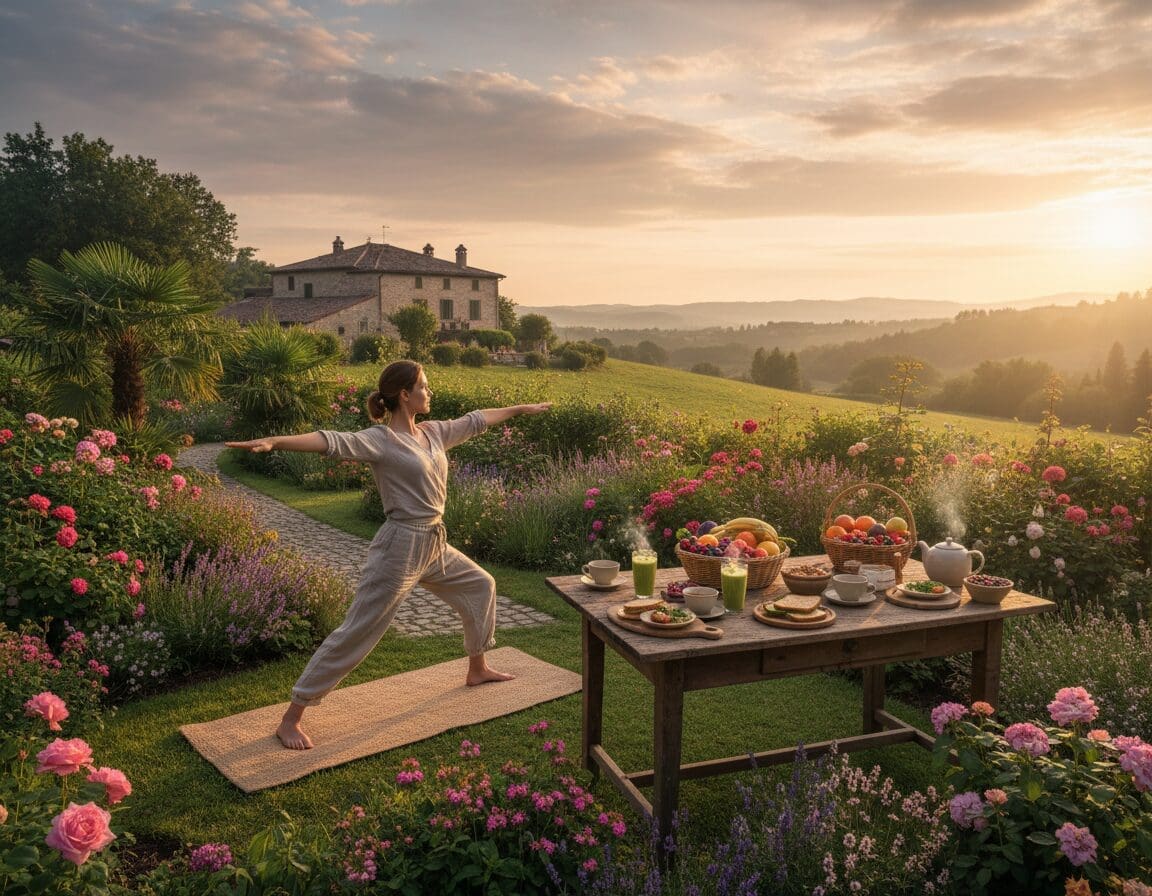

This article gives you practical, evidence-informed guidance on how to balance lifestyle health, so you feel and look your best each day. It recognises common pressures in Ireland — commuting, long work hours, shifting weather — and shows how small, sustainable choices support daily wellbeing and a consistent beauty routine.
By “balance lifestyle health” we mean harmonising diet, physical activity, sleep, stress management, grooming and skincare, plus sensible time management. The aim is not perfect adherence but realistic habits you can sustain over months and years for lasting results in appearance and resilience.
This matters because public-health research consistently shows that nutrition, exercise, sleep and stress control are primary determinants of long-term physical and mental health. Those same choices also influence skin quality, hair strength and overall appearance, so investing in holistic wellness pays off across work performance, relationships and confidence.
What follows is a clear roadmap: first, you will understand why balance matters; next, you’ll find practical morning and evening routines; then, time-management and habit strategies; and finally, ways to integrate nutrition, exercise and self-care for stronger beauty and resilience. Use the sections most relevant to your needs and adapt tips to create a lifestyle balance Ireland readers can maintain.
Understanding why balance lifestyle health matters for daily wellbeing
Finding balance in your day makes wellbeing feel practical rather than elusive. When you pair steady sleep, nutrient-dense meals, regular movement and simple skincare, small gains add up. This approach respects varied lives in Ireland, whether you work shifts, care for family or manage a long commute.
What balance lifestyle health means in everyday life
A balanced lifestyle means consistent sleep patterns, a diet rich in whole foods, habitual physical activity, adequate hydration, stress-management habits and regular grooming or skincare. You personalise these elements to fit your routine and health needs.
Practical swaps make a difference. Replace a late-night screen session with a short wind-down ritual. Trade one processed meal for a whole-food option. Add a 20-minute walk to your commute. Low-cost choices like walking, drinking water and using a basic cleanser and sunscreen scale well for many budgets.
Benefits for physical health, mental wellbeing and appearance
Physically, balanced habits support heart health, metabolic regulation and immune function. Public-health research links good sleep, decent nutrition and regular exercise with lower disease risk and steadier weight management.
Mental wellbeing improves when you move regularly, sleep enough and connect socially. Anxiety and low mood often ease with brief mindfulness, breathing exercises or short bursts of activity. Cognitive focus sharpens as sleep and routine stabilise.
Your appearance responds to these same habits. Skin benefits from sleep, hydration and nutrient intake. Exercise boosts circulation for a healthier complexion. A simple routine—cleanse, moisturise, SPF—cuts photodamage and slows premature ageing. Hair and nails reflect your nutritional status over time.
How small daily choices compound over time
The compound effects of habits explain how tiny, consistent actions yield large results. Seven to eight hours’ sleep each night supports skin repair and clearer thinking across months. One whole-food meal a day lowers inflammation when repeated over weeks.
Expect visible skin changes in weeks to months because cell turnover runs on a 28–40 day cycle. Fitness gains show in four to twelve weeks. Mental-health improvements from routine exercise and sleep hygiene can appear in days to weeks.
Track progress with micro-goals and habit logs. Aim for small increases, such as 10% more activity, and celebrate wins. These steps keep you motivated and make the benefits of balanced lifestyle practical for life in Ireland.
Practical morning and evening routines to support health and beauty
Start and end your day with simple, repeatable habits that protect your energy, skin and sleep. A clear morning routine for health sets your circadian rhythm and primes skin for the day. An evening routine for beauty helps repair tissue and prepares you for restorative sleep.
Morning rituals that boost energy and skin health
Wake at a consistent time and seek daylight within 30–60 minutes. Open curtains or step outside for natural light to sync your internal clock and lift mood.
Move gently for 10–20 minutes. A brisk walk, light mobilisation or bodyweight circuit raises circulation and clears morning grogginess.
Follow a skin morning routine tailored to Irish conditions. Cleanse with a gentle formula, apply a vitamin C serum if your skin tolerates it, hydrate with an appropriate moisturiser and finish with broad‑spectrum SPF 30+ every day to prevent photoageing.
Nutrition and hydration tips to start the day
Drink a glass of water as soon as you wake to rehydrate. Add a slice of lemon for flavour and a vitamin C boost when you prefer.
Build a balanced breakfast with protein, complex carbs, healthy fats and fibre. Try porridge with seeds and berries, a rye open sandwich with smoked salmon and avocado, or a spinach and banana smoothie with protein powder and flaxseed.
Moderate caffeine after a light snack or meal to avoid jitteriness and steady your energy. These hydration tips and food choices support skin from within and keep blood sugar stable.
Evening habits for recovery, sleep quality and skin repair
Begin a wind‑down routine 30–60 minutes before bed. Dim lights, switch off screens or use blue‑light filters, and practise relaxation like progressive muscle relaxation or slow breathing.
Cleanse thoroughly to remove makeup and pollutants. Use targeted night treatments such as retinoids under dermatologist guidance, then apply a nourishing night cream and an eye product for added hydration.
Tidy your sleep environment for good sleep hygiene: keep the bedroom cool, dark and quiet, aim for 7–9 hours and limit late alcohol which fragments sleep. Add light recovery work after exercise, such as stretching or a short bath with magnesium salts, to aid muscle relaxation and skin circulation.
Time management and habit strategies to sustain your lifestyle
Balancing work, family and self-care calls for clear time management for wellbeing. Start by carving out non-negotiable blocks in your calendar for sleep, movement and meal prep. Use the Eisenhower approach or a simple priority list to separate urgent tasks from those you can delegate or defer. This frees up space to fit self-care into busy schedule without guilt.
Prioritising tasks Ireland often means setting boundaries at work and home. Tell colleagues and loved ones about a 30-minute exercise or evening wind-down slot and protect it. Batch emails and errands to reduce decision fatigue. When you group like tasks you gain pockets of time to breathe, to cook, or to stretch.
Build realistic habits by starting very small. A one-minute breathing break, two push-ups or a short gratitude note are easy to sustain. Track progress with reminders or simple checklists. These habit strategies make consistency likely and turn good intentions into routine actions.
Use habit stacking to anchor new behaviours to things you already do. After brushing your teeth, apply a serum. After making coffee, do five minutes of stretching. Tying a new habit to a familiar cue shortens the effort needed to remember and perform it.
Plan for setbacks and keep quick options ready. Have a 20–30 minute brisk walk or a five-minute HIIT on standby. Keep healthy snacks and travel-size grooming items in your bag so you can refresh between meetings. This helps you fit self-care into busy schedule while staying realistic about time limits.
Blend social plans with movement to boost adherence. Join a local walking group or book a Pilates class with a friend. Using social commitment makes it easier to prioritise wellbeing and keeps your new habit strategies enjoyable over the long term.
Integrating nutrition, exercise and self-care to enhance beauty and resilience
To integrate nutrition exercise self-care in a way that promotes beauty from within, start with whole foods and simple movement. Aim for colourful fruit and vegetables, oily fish twice weekly, lean proteins and healthy fats such as those from salmon and flaxseed. These choices supply vitamin C for collagen, zinc for skin repair and omega‑3s to support the skin barrier and mood during Ireland’s low winter sunlight months.
Balance aerobic activity with two strength sessions each week and short mobility work to support circulation and muscle tone. Regular brisk walks, home resistance circuits or community‑centre classes improve microcirculation, aid lymphatic drainage and help reduce stress‑related skin issues. This combination boosts resilience through lifestyle by improving sleep, energy and skin appearance over time.
Keep your self‑care routine simple and consistent: cleanse, moisturise and use daily SPF, and seek professional advice from a dermatologist or accredited skin therapist for active treatments. Manage stress with enjoyable habits such as walking in local parks, hobbies or social time, and book routine checks—dental, eye and dermatological—to catch issues early.
Create a personalised plan using SMART goals and easy measures like sleep quality, energy and skin observations rather than only weight. Small, sustainable steps—balanced nutrition, regular movement and regular rest—are core anti‑ageing lifestyle tips Ireland readers can apply now to build long‑term resilience and a lasting sense of wellbeing.