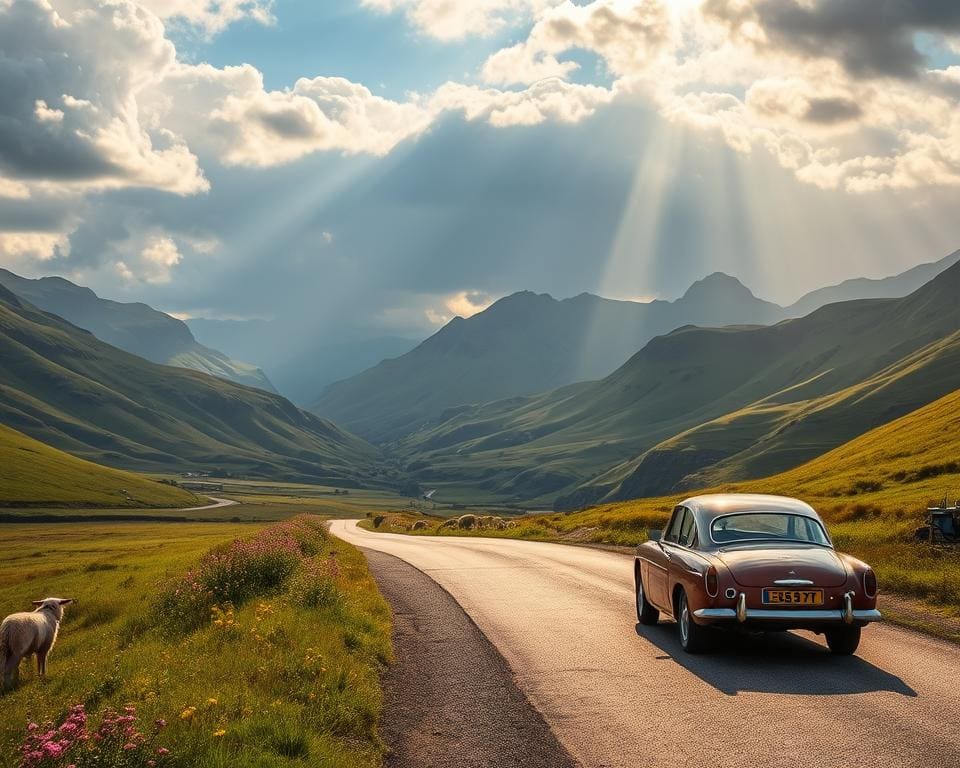

Planning a Scottish Highlands road trip starts with clear purpose. This guide helps you plan a Highlands road trip that fits your time, interests and budget. It covers the mainland north and west of the Highland Boundary Fault, from Inverness and the Cairngorms to Skye and the ferry links that reach the Inner and Outer Hebrides.
Whether you are organising a Scotland driving holiday as an independent traveller, a couple, a family or a small group arriving from abroad, the aim is the same: reduce stress and see the best sights. Good Scottish road trip planning makes sure you can visit castles, lochs and viewpoints, avoid the busiest travel days and match ferries and opening times to your route.
Use this article in three steps. First, prepare (Section 2) to set your timeframe, choose a vehicle and pack wisely. Then consult route ideas (Section 3) to create a Highlands itinerary for a weekend, one week or two weeks. Finally, read practical tips (Section 4) on driving safety, fuel, ferry logistics and local customs so your Scotland driving holiday runs smoothly.
Preparing for your Scottish Highlands road trip
Planning well makes your tour of the Highlands more enjoyable and less stressful. Below you will find practical advice on timing, route length, vehicles, paperwork and packing that fits varied interests from fast loops to slow travel Scotland.
Choosing the best time to visit
Decide if you want long daylight and lively towns or quieter roads and moodier scenery. The best time to visit Scottish Highlands for long days is summer, when daylight can reach 18–19 hours in the north. Expect Highland weather to change rapidly; sunshine, rain and strong winds often come in the same day.
Highlands peak season runs June to August, bringing higher prices and busy sites. The shoulder season Scotland months of May–June and September–October give milder conditions, fewer crowds and strong wildlife opportunities. Winter offers solitude and dramatic snow but needs winter driving skills and flexible planning.
Deciding on route length and pace
Match your Highlands itinerary length to the time you have and your energy. For short breaks ask yourself how long for Highlands road trip: a weekend (2–3 days) should stick to one area such as Inverness and Loch Ness. One week suits a west-coast loop including Skye. Two weeks lets you add the North Coast 500 time and islands.
Aim for realistic daily driving of 1.5–4 hours to leave time for hikes and detours. Single-track roads slow progress, so factor that in. Build buffer days for bad weather and missed ferries.
Vehicle selection and hire tips
Choose a vehicle that suits roads and comfort. For most main routes a compact or medium car is fine, while an SUV or 4×4 Scotland model helps on rough tracks, winter conditions and remote croft roads. Manoeuvrability is useful on single-track sections.
When you search for car hire Highlands, check national names like Enterprise, Avis, Hertz and Europcar plus trusted local firms in Inverness, Glasgow and Edinburgh. Ask about one-way hire and drop-off fees if you plan a single-direction route. Manual transmissions are common and cheaper; request automatic if needed.
Keep hire car tips Scotland in mind: confirm fuel policy, reserve a vehicle space for ferries and verify whether the hire company allows certain remote roads. Consider hybrid models for better fuel economy on long runs.
Essential documentation, insurance and permits
Carry driving documents Scotland such as a valid driving licence, hire agreement or V5C, passport or photo ID and proof of insurance. Overseas drivers may need an International Driving Permit depending on their country of issue.
Check car insurance Highlands cover, including collision damage waiver and theft protection. Verify whether ferry crossings are included. Confirm roadside assistance from RAC, AA or the hire provider.
Some private estates and attractions may charge for access. You rarely need general permits, but ferry permits and booked vehicle space on CalMac sailings are essential in peak times. If towing, check weight and length limits on single-track roads.
Packing checklist for weather and terrain
Prepare a Highlands packing list that covers layered clothing and durable gear. Scottish weather essentials include a waterproof windproof jacket, warm layers, quick-dry trousers, wool socks and sturdy walking boots. Pack hat and gloves even for summer trips.
Bring navigation tools such as Ordnance Survey maps or offline apps like OS Maps. Include a powered phone charger, battery pack, torch, binoculars and camera spares. An emergency kit with high-visibility vest, triangle, first-aid items, jump leads and a warm blanket is vital.
For remote travel keep snacks, water and fuel range in mind. If you plan camping, select equipment rated for wet and windy conditions and follow the Scottish Outdoor Access Code when wild camping.
Scottish Highlands road trip: route ideas and must-see stops
Planning your route shapes the whole adventure. Choose between looped trips and linear runs to suit time, ferry crossings and vehicle hire arrangements. Think about how many days you want to spend on Skye, in the Cairngorms or along the NC500 to balance driving with exploration.
Classic loops and single-direction itineraries
Start with established options such as the North Coast 500 itinerary for a full-circle experience from Inverness. The West Coast loop takes you through Glen Affric and Torridon, finishing on Skye by bridge or ferry to reduce backtracking.
Single-direction itineraries work well if you fly into Inverness or arrive in Glasgow. Drive south-to-north for a Skye-first route, or north-to-south to descend through Glencoe and Loch Lomond. Pick loop versus linear based on one-way rental fees and ferry availability.
Highland highlights: castles, lochs and viewpoints
Highland castles offer history at every turn. Visit Eilean Donan Castle near Dornie and Urquhart Castle beside Loch Ness for classic photo ops. Inverness Castle gives a handy viewpoint over the city and river.
Loch Ness attractions include boat trips and the Loch Ness Centre & Exhibition for rainy days. Add Loch Maree, Loch Torridon and Loch Lomond for varied water scenery. Seek out the best viewpoints Highlands has to offer such as Neist Point on Skye and mountain silhouettes like Suilven.
Hidden gems and lesser-known villages
Look beyond the famous stops to find hidden gems Scottish Highlands are proud of. Plockton is a pretty harbour village with palm trees in summer. Applecross rewards drivers who tackle remote roads with sweeping views.
Lesser-known Highland villages such as Kinlochewe and Dornoch give quieter nights and local fare. You will find off-the-beaten-track Scotland in small smokehouses, community museums and crofting displays that enrich the road trip.
Suggested itineraries for weekends, one week and two weeks
For a weekend Highlands itinerary, base yourself in Inverness to explore Urquhart Castle and a short Glen Affric walk with minimal driving. That suits quick breaks and varied weather.
A one-week Scottish Highlands plan works well as an Inverness to Skye loop. Spend two to four days on Skye, visit Fort William for Ben Nevis viewpoints and cross to Skye by Mallaig–Armadale ferry or the Skye Bridge.
For a two-week Highlands trip aim for the North Coast 500 itinerary. Allow extra days for island hops to Mull or the Outer Hebrides. Mix longer driving days with rest days and indoor options like distillery tours for bad weather.
Scenic driving routes and ferry connections
Choose scenic drives Scotland is famed for, such as the A82 along Loch Ness and the A87 to Kyle of Lochalsh. The Bealach na Bà drive on Applecross offers dramatic, alpine-style bends for confident drivers.
Ferry to Skye is often the simplest way to reach Sleat via Mallaig–Armadale. Check CalMac ferry timetables when planning crossings and book in summer. Short hops like Glenelg–Kylerhea and the Corran Ferry can save hours of road time.
Practical travel tips, safety and local insights
Plan fuel and supplies carefully: many filling stations in the Highlands close early or have limited hours, so top up in towns when you can. Carry extra water, snacks and a basic first-aid kit, and save offline maps or paper charts in case mobile signal is patchy. Let someone know your daily plan when you head into remote areas.
Observe driving safety Scottish Highlands practices on single-track roads. Use passing places correctly by pulling into the nearest passing place for oncoming vehicles, and allow faster traffic to pass when safe. Drive on the left, watch for tractors, cyclists and pedestrians, and slow down for livestock or wildlife, especially at dawn and dusk.
Follow wild camping rules Scotland and respect private land. If you choose to wild camp, pitch late, leave early, avoid areas near homes and use designated sites when requested. Book B&Bs, hotels or campsites in advance during high season, and remember that private sites often offer better facilities than informal spots.
Be mindful of local customs Scotland and community life: support cafés, craft shops and distilleries, keep noise low in villages, and respect farm operations. Know emergency numbers (999 or 112) and have roadside assistance details for AA or RAC. Finally, check vehicle hire insurance, ferry and accommodation confirmations, weather and road closures before you set off.