
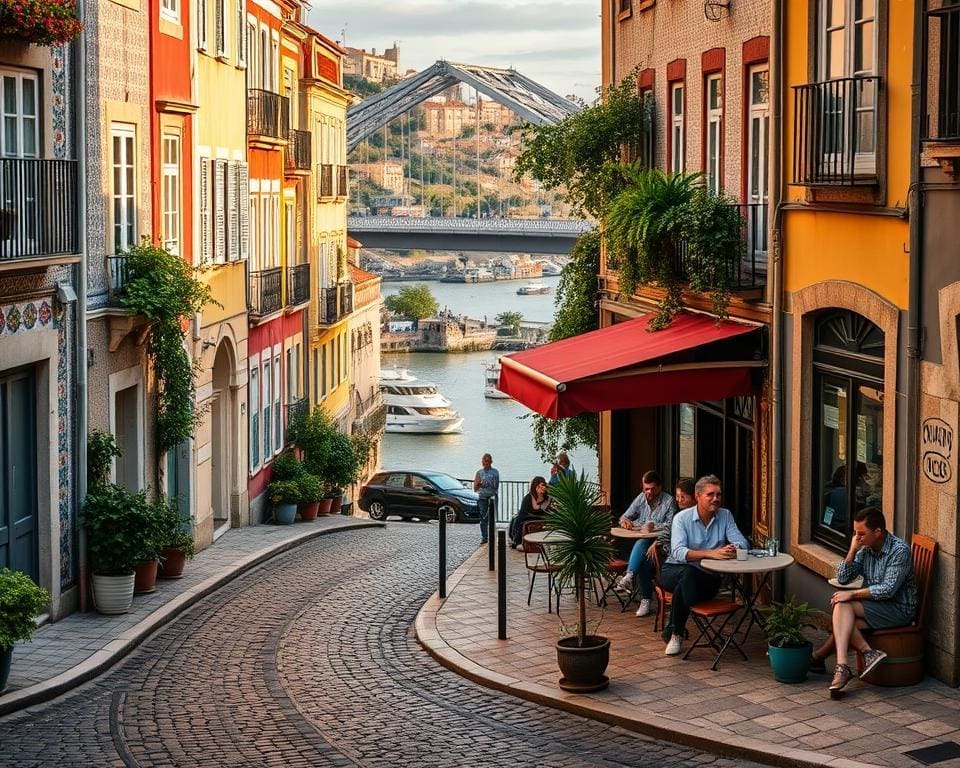
You might already know Porto for its port wine lodges in Vila Nova de Gaia and the sweeping view along the Douro River, yet its true charm often feels like a well-kept secret. This Porto travel guide explains why visit Porto should be at the top of your list when you want a short break that mixes riverside character, UNESCO-listed streets and a lively contemporary scene.
The city is compact and easy to explore on foot. Walk the Ribeira, pause by Porto Cathedral and climb Clérigos Tower, then cross the river for tastings at Sandeman, Graham’s or Taylor’s. These highlights underpin why Porto features among the best hidden cities Portugal has to offer.
Beyond the landmarks you will discover narrow, azulejo-clad lanes, independent cafés and a thriving creative culture that balances history with modern dining and live music. This balance is what helps you discover Porto as both intimate and surprising.
Practical perks add to the appeal: quick flights from major UK airports, straightforward day trips into the Douro Valley and generally lower costs for food and accommodation compared with many Western European capitals. Read on in this Porto travel guide to find out where to explore lesser-known neighbourhoods, how to travel like a local, seasonal tips and the best day trips to uncover more Porto hidden gems.
Porto hidden gems: what makes the city special
Porto reveals itself in layers. You will find world-famous sights, yet the city’s character shines in quieter corners. This section guides you through historic lanes, surprising buildings, living traditions and seasonal shifts that together define the charm of lesser-known Porto.
Historic neighbourhoods off the typical tourist trail
Wander beyond Ribeira to Miragaia and you will meet narrow lanes and riverside views that locals favour for morning coffee. Foz do Douro sits where the Douro meets the Atlantic and offers seaside promenades and calmer beaches.
Massarelos feels residential and quiet, with small squares and university influence. São Nicolau and Vitória host authentic cafés, bakeries and boutiques run by neighbourhood artisans. You can catch morning markets and watch padeiros shape fresh bread.
Low-key activities bring these areas to life. Take a sunrise stroll along the riverside, discover tiny chapels, browse artisan shops and climb to viewpoints such as Jardim do Morro and other lesser-known miradouros.
Architectural surprises beyond the famous landmarks
Porto architecture extends far past Torre dos Clérigos and São Bento’s panels. Casa do Infante offers medieval layers, while modernist threads appear in Sérgio Salgado’s work and other 20th-century projects.
Palácio de Cristal delivers eclectic statuary and panoramic gardens. São João da Foz displays Belle Époque elegance mixed with seaside vernacular in its houses. Converted industrial spaces along the Douro host galleries, independent cinemas and creative studios.
Azulejos appear across façades and chapels. Seek out lesser-known tile panels in small churches and private courtyards to appreciate the craft away from crowded stations and museums.
Local culture and traditions that shape everyday life
Porto culture is rooted in port wine rituals and an intimate approach to fado. You can experience fado in small casas de fado where performances feel personal rather than staged for tourists.
Festivals punctuate the calendar. São João in June brings street parties, grilled sardines and fireworks. The Porto Design Biennale and events at Fundação Serralves present contemporary art in a landscaped setting.
Food culture centres on hearty regional dishes. Try a francesinha at a family tavern, sample petiscos across neighbourhood tasca bars and hunt out independent roasters and pâtisseries beyond the main drag. These routines show how daily life unfolds in hidden districts Porto.
Why seasonal rhythms reveal different sides of Porto
Seasons change the city’s pace. Spring and autumn give mild weather and fewer crowds, which is ideal for walking and vineyard visits. Summer brings festivals and long café terraces, with larger visitor numbers.
Winter turns Porto cozier. Off-season rates make cellar tours easier to book and quieter streets let you linger in museums and local cafés. For Douro boat trips aim for late spring through early autumn when conditions are calm.
Plan around harvest and wine events in late summer and autumn if you want to catch tasting and vineyard activity. Bear in mind that some small museums and attractions use seasonal opening hours, so book port lodge tours and popular tables in advance when visiting at busy times.
Practical tips for exploring Porto like a local
Use these concise practical pointers to move through Porto with confidence. They cover timing, Porto transport, food, markets and sensible safety and saving measures so you can enjoy more time wandering and less time planning.
Best times to visit quieter spots and avoid crowds
Plan your trip for late spring (April–June) or early autumn (September–October) to enjoy mild weather and fewer visitors. Booking midweek stays brings shoulder-season bargains on flights and accommodation.
Early mornings reward you at São Bento station when azulejo panels are peaceful. Late afternoons calm the Ribeira before coach groups arrive. For port lodges, choose mid-afternoon weekdays to dodge weekend peaks.
How to use public transport and walkable routes
Porto transport mixes Metro lines, buses, historic trams and the funicular dos Guindais. Buy an Andante card at stations or kiosks and top it up for integrated fares across modes.
Walk from Sé to Ribeira, then cross the Dom Luís I Bridge upper deck for panoramic views. Use the metro to reach Casa da Música or Foz quickly. Central streets are walkable but steep and cobbled, so pack comfortable shoes.
If you have mobility needs, check for ramps and lifts at stations and contact museums ahead for accessible routes. Riverfront strolls offer flatter, scenic options.
Where to find authentic dining, cafés and market experiences
For Porto markets visit Mercado do Bolhão for produce, Mercado Ferreira Borges for cultural stalls and Matosinhos near the coast for fresh fish. Markets open early; mid-mornings are busiest, so arrive earlier for quieter browsing.
Seek tascas in Bonfim and Cedofeita for homely dishes. For seafood head to Matosinhos for grilled fish on the waterfront. Try francesinha, Tripas à Moda do Porto and local cheeses.
Learn simple Portuguese phrases and request a conta, por favor when ready to pay. Tipping is modest; rounding up is normal. These Porto travel tips will help you find where to eat in Porto with local flavour.
Safety, accessibility and saving money while exploring
Porto is generally safe, though common-sense vigilance helps. Keep valuables secure in crowded areas and tread carefully on wet cobbles and steep streets, especially at night.
Buy an Andante card if you plan multiple journeys to save on fares. Look for menu do dia at lunchtime for good value. Book port lodge tours and Douro cruises in advance for better prices.
Avoid exchange bureaux in tourist spots. Use ATMs or card payments with favourable fees. If you want extra flexibility while visiting Porto off-peak, supermarkets and markets supply picnic items for low-cost, authentic meals.
Unique experiences and day trips that showcase hidden treasures
You can start small in Porto with river experiences that feel local. Take a short Rabelo boat trip on the Douro for views of Ribeira and Vila Nova de Gaia, or choose an electric boat tour for a quieter, eco-friendly option. Combine a morning at Fundação de Serralves with a guided tour at Casa da Música to sample contemporary art and bold architecture away from the busiest routes. These Porto offbeat activities give you a fresh perspective without straying far from the city.
For food and craft, join a port wine blending workshop or a petiscos tasting tour led by local guides. A cooking class focused on northern Portuguese dishes helps you learn techniques and flavours you won’t find in guidebooks. Small gallery visits in Cedofeita and converted cultural spaces in Gaia reveal artists and makers who shape hidden experiences Porto visitors often miss.
A Douro Valley day trip rewards you with terraced vineyards and quintas in Peso da Régua and Pinhão, where tastings and optional boat or vintage steam train rides make the valley memorable. For cycling-minded travellers, consider organised rides or scenic drives along the N222, and see suggested routes and cycling resources here: Douro Valley cycling and tours. Typical trips run full-day, while coastal jaunts to Matosinhos make excellent half-day escapes for seafood and surfing.
Practical tip: book Serralves guided visits, Casa da Música events and Douro boat cruises in advance during high season. Use Comboios de Portugal for Guimarães, Braga or Peso da Régua and combine a morning in Porto with an afternoon at a quinta to make the most of your Porto day trips. Mix city exploration with short excursions and you’ll return with a richer, more personal sense of place.