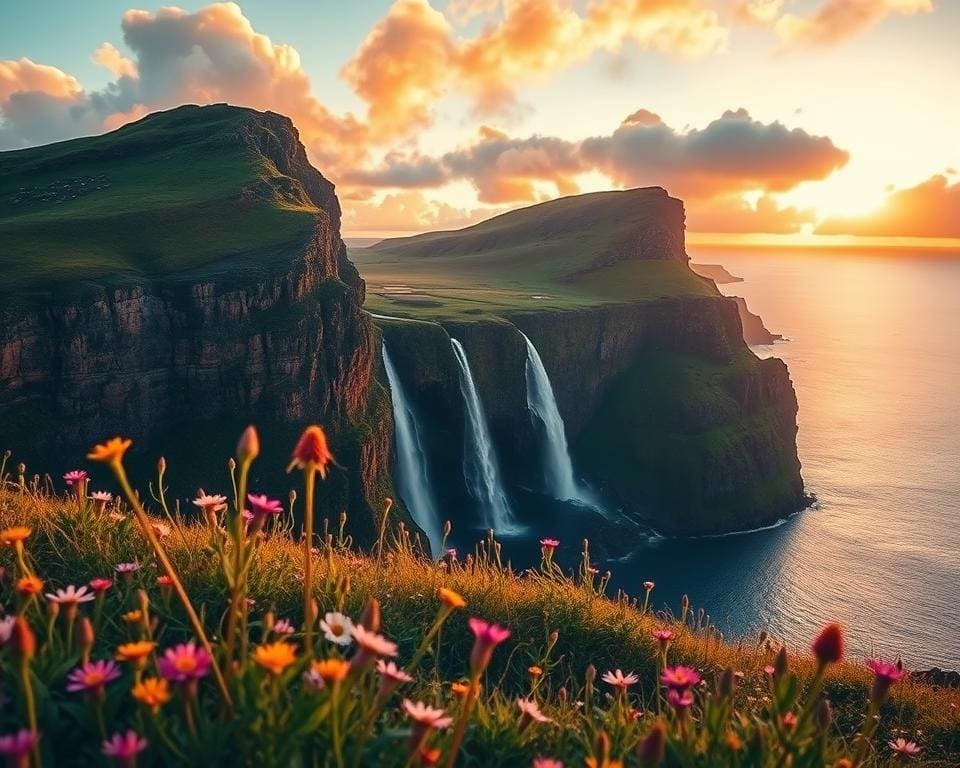

The Faroe Islands are a self-governing archipelago in the North Atlantic, set between Iceland and Norway and part of the Kingdom of Denmark. With roughly 50,000 residents across 18 major islands, the Faroes combine dramatic scenery with a strong sense of local culture that rewards curious travellers.
You should consider the Faroe Islands for their towering cliffs, sea stacks and secluded waterfalls, plus abundant seabird colonies including puffins. Traditional villages with turf-roof houses sit alongside a growing scene for locally produced cuisine and crafts, giving you a mix of nature and culture few European destinations match.
For UK travellers the islands are accessible: flight times from Scotland are around 1.5–2 hours, and seasonal direct services are available via Atlantic Airways and other carriers. No visa is needed for short stays if you hold a UK passport, which makes it easy to visit.
This Faroe travel guide will help you decide when to go, how to get there, what to do and where to stay. Expect variable weather and fast-changing light; those conditions are part of the appeal, shaping the islands’ dramatic, weather-driven scenery.
To explore further practical tips and inspirational ideas for your next getaway, see this island overview.
Stunning natural landscapes that reward adventurous travellers
The Faroe Islands offer raw scenery that pulls you away from the everyday. Rugged ridgelines, green valleys and coastal drama combine into compact, accessible wilderness. You can pack several striking sights into a single day if you plan ahead.
Dramatic cliffs, sea stacks and coastal walks
Vestmanna’s boat trips place you close to towering cliffs and sea caves. From the water you can see the same formations that make the Faroes famous, including Vagar’s Trøllkonufingur sea stack. These features define the coastline and frame many of the best photographs.
On land, coastal walks reward steady walkers. The route from Gásadalur to Bøur gives panoramic views over Múlafossur and the islet of Tindhólmur. The Drangarnir and Tindholmur sea stacks near Vágar are easy to spot from marked paths.
Take care on exposed trails. Paths can be wet and loose. Wear sturdy footwear, keep a safe distance from cliffs and check weather forecasts and local advice before longer hikes.
Hidden waterfalls, valleys and panoramic viewpoints
Múlafossur is the picture everyone seeks, a waterfall that drops straight into the Atlantic. You will find quieter cascades too, such as Fossá, the highest waterfall in the islands, set among steep gullies and remote streams.
Saksun lagoon and the slopes around Tórshavn offer accessible viewpoints for sweeping harbour and mountain vistas. For high-level panoramas, Slættaratindur provides wide island views when routes are clear and conditions are safe.
Some viewpoints are a short walk from the road. Other valleys need longer treks and basic navigation. Plan routes, allow extra time and carry a map or GPS when exploring deeper terrain.
Wildlife encounters and birdwatching opportunities
Cliffs and sea stacks host large seabird colonies. Guillemots, kittiwakes, razorbills and puffins Faroe Islands are common during the breeding season. Mykines, parts of Vágar and Vestmanna are prime spots for close observation.
Marine life appears too. Licensed operators run ethical trips that aim to minimise disturbance while offering views of pilot whales and dolphins. Choose firms that follow local guidelines and respect feeding or calving areas.
Birdwatching Faroe Islands is best in spring and early summer when chicks are present. Winter brings fewer nesting birds and a different palette of migrants. Timing your visit affects what you will see and how crowded sites feel.
Faroe Islands: what makes them unique compared with other destinations
The Faroe Islands feel unlike most places you know. Their remote North Atlantic position brings fast-changing weather that sculpts the views. Mists, sudden sunbursts and dramatic cloud formations play across steep grassy cliffs and narrow fjords to give weather-driven landscapes that shift by the hour.
The islands’ volcanic origins create rock formations and sea stacks that set the Faroes apart from Iceland’s glaciated scenery and from flatter archipelagos. You will notice a mix of rugged coastlines and green pasture, and that contrast makes for striking photography and surprising walks along cliff tops and quiet valleys.
Life in small villages keeps tradition central to daily routines. You can see Faroese culture in local craft shops offering hand-knit woollens and in events at the Nordic House in Tórshavn. If you want deeper understanding, research communal practices before you visit so you respect local views and sensitivities.
Food links you to place through simple, strong flavours. Fresh seafood such as cod and salmon appears alongside skerpikjøt, the air-dried mutton that is part of long-standing foodways. Tórshavn’s new wave restaurants blend these ingredients with modern technique, making dining an introduction to contemporary Faroese culture.
The islands keep a small-scale feel because tourism remains lower than in many European hotspots. Roads, tunnels and ferries are well maintained, yet the islands retain an off-the-beaten-track appeal that rewards slower travel. Visiting outside peak months reduces crowding and supports sustainable tourism Faroes initiatives.
Choose family-run guesthouses and local guides when you can. That way you help sustain Faroes community life while enjoying authentic encounters, from village festivals to fisheries and craft studios. Your visit can be low-impact and meaningful if you opt for local services and respect wildlife protections.
Distinctive geography and weather-driven scenery
Expect rapidly changing light that transforms the same scene in minutes. Photographers value this; walkers will find each hour offers a new perspective on cliffs, fjords and volcanic outcrops. Trails often lead to viewpoints where shifting weather creates unforgettable panoramas.
Traditional Faroese culture and community life
Community matters in daily routines, from shared festivals to cooperative fisheries. You will find living traditions such as the Faroese chain dance in local celebrations and museums that explain craft and music. Visit the Nordic House or small museums to learn about history, language and design.
Small-scale, sustainable tourism and off-the-beaten-track appeal
The Faroes favour careful tourism management and local stewardship of habitats. Projects protect bird colonies and marine areas while encouraging responsible visits. By travelling respectfully you support sustainable tourism Faroes aims and help preserve ways of life for future visitors.
Practical travel planning and best times to visit
Planning a trip to the Faroes starts with routes and timing. If you are thinking about travel to Faroe Islands from UK, direct seasonal flights from London Gatwick and Edinburgh with Atlantic Airways make travel quick. You can also reach the islands via Copenhagen with SAS if schedules suit your itinerary.
How to get there from the UK and domestic transport options
Once you land, Faroes transport is straightforward but needs a little planning. Renting a car gives you freedom to tackle undersea tunnels such as Vágatunnilin and reach remote headlands. Local buses and ferries link many islands if you prefer not to drive.
Book car hire early in summer. Expect single-lane bridges, sheep on roads and strong winds that can slow journeys. Top up fuel in towns before you head into rural areas and check live road updates and safety notices.
When to visit for weather, wildlife and festivals
The best time to visit Faroe Islands depends on what you want. Summer (June–August) gives the longest daylight hours and mild weather, ideal for birdwatching and boat trips. Peak season brings more visitors and higher prices.
Shoulder months in May and September offer fewer crowds and good wildlife opportunities, while winter months bring dramatic seascapes and occasional Northern Lights. To time your trip around culture, book with Ólavsøka on 29 July in mind and check local listings for other Faroes festivals.
Where to stay: villages, guesthouses and boutique hotels
Choose Faroe Islands accommodation that matches your pace. Tórshavn provides dining and services, Vágar sits close to island attractions, and smaller villages such as Gjógv and Klaksvík offer quiet local charm. Family-run guesthouses and self-catering cottages are common.
Reserve key nights for popular bases like Vík, Höfn, Akureyri and Egilsstaðir if you plan cross-border road trips, and use trusted booking platforms. Keep a few flexible nights in your schedule so you can react to weather and book guided activities at short notice.
Practical driving and route advice can help you adapt pacing and daily distances for better sightseeing without rushing.
Memorable experiences and activities to add to your itinerary
Plan a day trip to Mykines if you want close encounters with Mykines puffins and dramatic coastal scenery. Ferries and helicopters run on limited schedules, and paths are steep, so book early and check weather and landing notices before you travel.
Take one of the classic boat tours Faroe Islands operators run from Vestmanna or Vágar to see sea cliffs, Drangarnir and Tindhólmur up close. Choose companies that prioritise wildlife welfare and follow guidance to avoid disturbing nesting birds when you approach sea stacks and caves.
For hiking Faroe Islands routes, pack layered clothing, waterproofs and sturdy boots. Popular walks include Slættaratindur, the Gásadalur–Bøur coastal trail and the Saksun route to the tidal lagoon. If you prefer local knowledge, book a guided walk with a mountain guide to learn about geology, birdlife and safety on trickier terrain.
Round out your days with Faroes food experiences in Tórshavn and village guesthouses. Sample skerpikjøt, fresh seafood and island cheeses, and consider a farm visit or a meal at a booked restaurant such as KOKS when available. Always allow extra travel time between islands and factor in rest days so you can enjoy quieter villages, museums and artisan workshops without rushing.