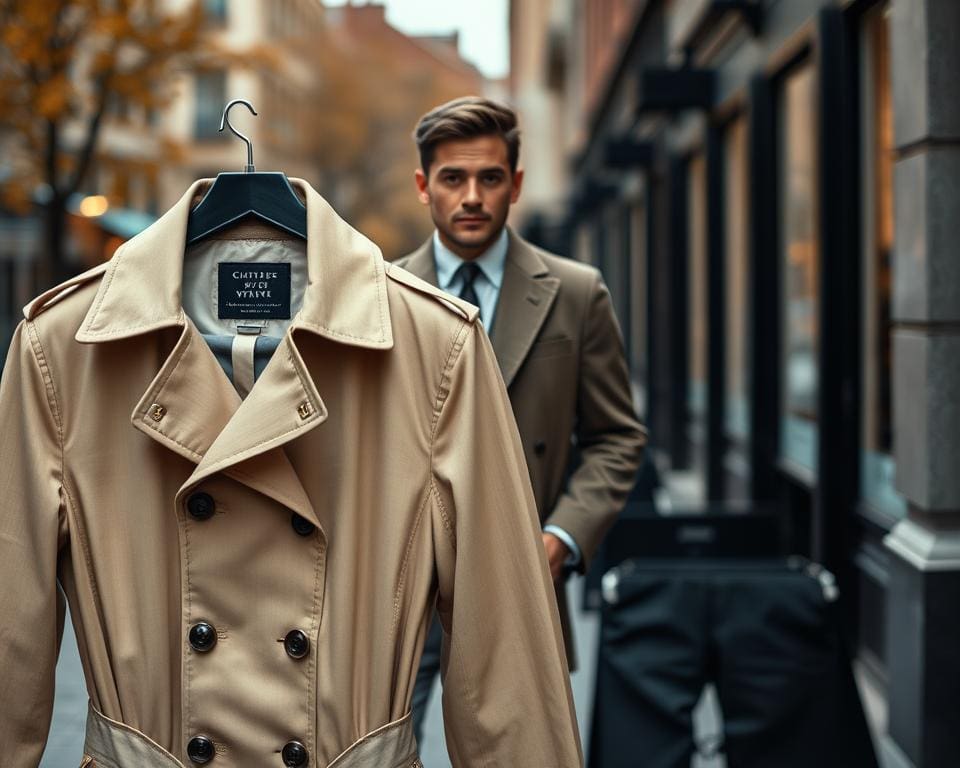

Choosing the right trench coat means balancing style, function and what you actually need day to day. This trench coat buying guide will help you think through commuting in rain, smart events and relaxed weekends so one coat can replace several.
A well-chosen trench coat gives reliable weather protection, timeless style and excellent layering versatility across spring, autumn and mild winter days. It works as outerwear for a suit or with jeans, and it often outlasts seasonal trends.
Prices and value vary. High-street options from Marks & Spencer or Ted Baker suit a tight budget, mid-range labels such as Reiss and COS offer better fabrics and fit, and heritage houses like Burberry and Aquascutum command premium prices for construction and resale value. Brand reputation often signals fabric quality and finish.
This article will cover the trench coat’s history and styles, fabric and construction, how to find the right fit and length, and colour and styling tips to suit different occasions. Read on to learn how to choose trench coat options, find the best trench coat UK picks and use this practical trench coat buying guide.
Before you continue, take a moment to assess your wardrobe needs and budget. Knowing whether you prioritise weatherproofing, tailoring or longevity will make the rest of the advice far easier to apply.
Understanding the trench coat: history, styles and why it suits your wardrobe
The trench coat has practical roots and a strong style legacy. You will find its origins in late 19th-century innovations by Thomas Burberry and Aquascutum, who developed water-resistant gabardine and proofed garments for officers. The name comes from its wartime use in World War I trenches, where features such as epaulettes, storm flaps and D-rings served clear purposes.
Origins and evolution of the trench coat
After the war, the coat moved into civilian life. Stars like Humphrey Bogart and Audrey Hepburn helped make the garment iconic on screen. Designers continue to reinterpret it, while key elements such as the belt, collar and storm flap remain recognisable.
For modern layering advice that pairs classic outerwear with parkas and waterproof jackets, see this practical guide to colder days creative layering ideas for colder days.
Key style variations: classic, modern, double-breasted and single-breasted
The classic trench coat is usually double-breasted, belted and mid-length, typified by Burberry and Aquascutum. That silhouette reads formal and timeless.
Modern trench coat styles favour cleaner lines. Expect slimmer lapels, single-breasted cuts and technical fabrics that make the coat lighter and more functional.
A double-breasted trench gives extra warmth and a more formal air. A single-breasted option is sleeker and layers easily over suits or casual outfits. You will also see cropped trenches, removable liners and hybrid raincoats that borrow trench detailing.
Why a trench coat is a versatile wardrobe staple in the UK climate
The UK weather is changeable, with drizzle, wind and cool temperatures. A good trench is lightweight, water-resistant and breathable, so it works well across seasons.
You can wear one over a suit for business, over knitwear for everyday warmth, or with lighter layers in spring. Adjust the belt for a smart silhouette or leave it loose for a relaxed look. This adaptability makes the classic trench coat a cost-effective investment in any trench coat UK wardrobe.
Fabric, construction and weatherproofing for practical wear
Choosing the right trench coat fabric will determine how well your coat performs in British weather. You should weigh warmth, weight and water resistance when you pick between traditional and modern materials.
Common fabrics: gabardine, cotton, wool blends and technical fibres
Gabardine remains a classic choice. Thomas Burberry developed this tightly woven cotton twill, prized for its shape retention and natural water resistance. A gabardine trench gives a timeless look that lasts.
Cotton options feel lighter and breathe well on warmer days. They are affordable, but you may need treatments for rain. Wool blends add insulation for cold spells and work well in winterised trench designs.
Technical fibres such as Gore-Tex or eVent supply a modern alternative. These membranes and synthetic shells deliver measurable protection for active use. Seek recycled polyester shells or organic cotton gabardine if sustainability matters to you.
Waterproofing and breathability: what to look for
Understand the difference between water-resistant, water-repellent and fully waterproof. A water-resistant finish copes with drizzle. A fully waterproof trench coat with taped seams or a membrane is better for heavy rain.
Breathability keeps you comfortable and prevents clamminess. Membranes and performance fabrics balance waterproofing with vapour transfer. Look for durable water repellent (DWR) finishes, taped seams and a high collar for extra protection.
Treatments wear off with use. You will need reproofing products such as Nikwax or Grangers to restore performance over time.
Construction details that affect durability and fit: stitching, lining and shoulder epaulettes
Quality trench coat construction shows in the stitching. Reinforced seams, bar-tacking at stress points and consistent topstitching indicate longer life.
Consider lining options. A full lining adds structure and warmth. Partial linings reduce weight. Removable quilted liners let you adapt a single coat across seasons.
Traditional features began as function. Shoulder epaulettes, storm flaps, belts, D-rings and cuff straps still shape the silhouette and offer practical benefits. Check hardware quality; branded metal buttons and buckles resist wear better than basic plastics.
Weight and drape influence how a coat sits. Heavier fabrics hold a sharp silhouette. Lightweight cotton lends casual movement. Aim for a balance that matches your everyday needs and style.
- Look to heritage labels for benchmarks, then test high-street options for practicality and value.
- For guidance on wardrobe essentials that pair with a trench, see this wardrobe essentials guide.
Finding the right fit and length for your body and style
Choosing a trench should begin with how it sits on your shoulders and how it allows for layering. A correct trench coat fit means you can move your arms without the shoulder seams pulling and the sleeves end near the wrist bone. These simple checks prevent common shopping mistakes.
How to size trench coat
Measure over the garments you usually wear beneath the coat. If you wear a suit jacket or a thick jumper, add a little more room. Allow around 10–15 cm (4–6 inches) of chest or bust ease so you can breathe and layer comfortably. The shoulder seam should sit at your natural shoulder; altering shoulder width is difficult, so get this right first.
Choosing trench coat length
Decide between cropped, knee-length and full-length options based on your lifestyle and height. Cropped trenches suit casual wardrobes and cyclists, offering freedom but less rain coverage. Knee-length is the most versatile choice for work and everyday wear. Full-length trenches give dramatic coverage and work well on taller frames.
Think about your height when selecting trench coat length. Petite figures often avoid full-length styles unless tailored, while taller people can carry longer cuts with ease. Match your typical wear and commute to the protection you need.
Tailoring trench coat
Small alterations make a big difference. Nipping the waist or using the belt creates an hourglass shape without changing the coat’s balance. Hemming and sleeve shortening are straightforward, but keep cuff details in proportion. Taking in side seams slims the body; ask a tailor experienced in outerwear to preserve structure on double-breasted designs.
Altering shoulders is complex, so prioritise shoulder fit when buying. Choose quality fabrics that handle adjustments well and consult a specialist tailor for precision work. Proper tailoring trench coat adjustments will improve comfort and prolong the coat’s wear.
Layering under trench
Plan for the layers you will wear most often. If you regularly layer thick knitwear, size up or try a roomier cut. For lighter layers, a closer fit looks smarter. Fasten the belt or leave the coat open to change the silhouette and adapt to temperature.
Colour, details and styling tips to match occasions and personal taste
Choose trench coat colour with your wardrobe and lifestyle in mind. A beige trench coat remains the most versatile option and pairs easily with shirts, knitwear and tailored trousers. A navy trench coat reads smart and modern for the office, while black gives an urban, evening-ready edge. Khaki or olive nod to the coat’s military roots and work well with casual denim.
Pay attention to hardware and lining when you inspect details. Tortoiseshell or horn buttons suit heritage pieces, while brass or silver buckles should match other accessories in your wardrobe. A patterned lining, such as a check, adds personality; plain linings keep looks understated. Removable liners and hoods improve seasonal use, and deep pockets plus an interior pocket help keep essentials secure.
Consider context when styling trench coat outfits. For workwear, layer a knee-length, structured trench over a suit and fasten the belt for a neat silhouette. For smart-casual, try an unbelted or single-breasted trench over knitwear and chinos with Chelsea boots. For weekends, cropped trenches with trainers or rolled sleeves create a relaxed feel. For evening, a black or navy full-length trench adds drama without losing polish.
Care for your coat to extend its life and appearance. Follow the label, reproof water repellency as recommended and dry-clean gabardine sparingly. Store on a wide hanger to preserve shape and check shoulder fit, sleeve length, stitching and hardware before you buy. These checks will help you decide the right trench coat colour and confirm how to style trench coat choices for long-term wear.