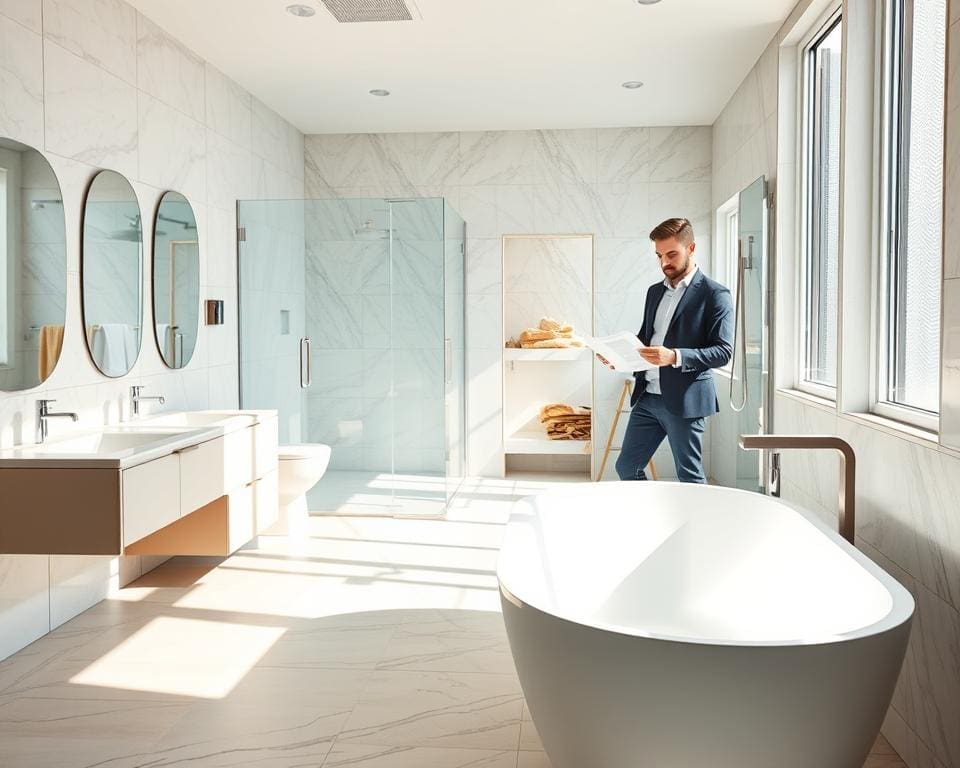
Deciding to refurbish a bathroom is both practical and inspiring. In 2026 many UK homeowners ask: How much does a bathroom renovation cost in 2026? This year is different. Post-pandemic market adjustments, tighter green regulations and new supply‑chain patterns are reshaping prices and choices.
To set expectations, here are national averages to anchor your planning. A basic cosmetic refresh typically falls between £2,000 and £6,000. A mid‑range remodel often sits in the £6,000 to £15,000 band. A luxury overhaul can exceed £15,000 and climb much higher depending on fittings and structural work. These headline figures are national averages for bathroom renovation cost 2026 UK and will vary by region and project scope.
Several cost drivers explain these ranges. Inflation trends and labour pressures push hourly rates up. Material shortages and longer lead times affect the 2026 bathroom refurbishment price. At the same time, rising demand for energy‑ and water‑efficient fittings from brands such as Roca, Grohe and Ideal Standard, plus updated regulations and available green grants, shape final spend.
This guide promises clear, practical help on budget setting, prioritising upgrades, saving without losing style and sample budgets for common bathroom types. Figures draw on industry trades cost guides, Office for National Statistics labour indices, manufacturer price lists and government guidance on building regulations and green incentives to ensure reliable insight into bathroom remodel cost 2026.
How much does a bathroom renovation cost in 2026?
Planning a 2026 bathroom project starts with clear numbers and local context. The average bathroom renovation cost UK 2026 ranges widely by scope and location. Below we set out typical price bands, explain regional bathroom costs and list the main cost drivers bathroom refurb projects face this year. An informed estimate helps homeowners set realistic budgets and contingencies.
Nationwide averages and regional variations
Indicative national averages for 2026 are useful as a starting point:
- Cosmetic refresh: £2,000–£6,000
- Mid-range remodel: £6,000–£15,000
- Luxury overhaul: £15,000–£40,000+
These ranges are illustrative. Regional bathroom costs shift these figures. London and the South East carry a premium because of higher labour and rental costs. The South West and the Midlands sit in the middle. Northern England and Scotland tend to have lower labour rates while material costs remain similar across the UK. Urban areas often offer faster access to specialist trades than rural locales.
Breakdown by project scope
Cosmetic refreshes suit homes where the plumbing layout stays the same. Works include replacing taps and suites, re-grouting, repainting and simple flooring. Labour hours and disruption are lower compared with larger projects.
Mid-range remodels typically involve a new suite or modest layout changes, full tiling, new heated towel rails and some re-plumbing. These jobs need more coordination and may require temporary relocation of services in the house.
Luxury overhauls cover full reconfiguration, bespoke cabinetry, underfloor heating and high-end sanitaryware from brands such as Grohe and Hansgrohe. Wet-room conversions and concealed systems from Geberit increase complexity and call for specialist trades, pushing costs into the top band.
Cost drivers: labour, materials, fixtures, and unexpected works
Labour forms a large share of final bills. Trades include plumbers, tilers, electricians, plasterers and carpenters. Multi-trade teams reduce handover delays but complexity raises hours. In 2026 day rates reflect steady rises seen in building trade union and Federation of Master Builders indices.
Materials and fixtures vary by quality. Ceramic tiles cost less than porcelain or natural stone. Worktops and shower enclosures differ widely by brand; Roca, Ideal Standard and Hansgrohe offer varying price points. Plant, waste removal and skip hire add predictable costs. Asbestos or water-damage remediation can add significant sums.
Unexpected discoveries often change budgets. Hidden rot, outdated electrics, or structural repairs increase labour and materials. A contingency fund guards against these shocks. Plan for a sensible buffer when estimating total cost.
How inflation, supply chains and green regulations influence 2026 prices
Persistent construction inflation is lifting labour and material prices. The ONS construction price indices show higher year-on-year increases, reflecting the inflation impact bathroom prices now. Supply chain issues still affect lead times for specific fixtures. Shortages or urgent delivery can carry a premium.
New green rules raise compliance tasks. Updated Building Regulations on energy and water efficiency push uptake of low-flush toilets, efficient showers and improved ventilation. These measures add upfront cost while lowering running expenses and unlocking grants in some cases.
Planning your 2026 bathroom project: budget, timeline and priorities
Start with a clear plan that joins vision and reality. A realistic bathroom renovation budget 2026 makes choices easier and keeps surprises small. Sketch priorities, book key trades early and allow time for inspections and approvals to protect your schedule and investment.
Setting a realistic budget and contingency fund
Itemise expected costs: labour, fixtures, materials, waste removal and any permits. Older properties or changes to the layout raise risk and cost. Set a contingency of 10–25% depending on complexity.
Expect deposit norms of 10–30% with staged payments at agreed milestones. Hold a final retention until snagging is complete and you have receipts for warranties and guarantees. Use bank transfers for traceability and never pay large sums in cash.
Prioritising upgrades for value and daily comfort
Focus on bathroom priorities value when choosing upgrades. Fit an efficient shower, modern toilet suite, good lighting and an extractor fan to reduce damp. Durable tiles lift resale appeal without a huge spend.
For comfort, consider underfloor heating, better sound insulation and digital thermostatic mixers. Simple accessibility changes, such as a wet-room threshold or wall-hung toilet, future-proof the space and improve marketability.
Typical project timelines and scheduling tips
Match scope to time. A cosmetic refresh often takes 1–2 weeks. A mid-range remodel typically lasts 3–6 weeks. A full overhaul can run 6–12+ weeks once lead times for specialist fixtures are included.
Book trades in sequence: demolition, plumbing and wiring, plastering, tiling and finishes. Factor in lead times for bespoke items and avoid school holidays or bank holidays for smoother scheduling.
Allow days for inspections or building control checks where required. A realistic bathroom project timeline prevents rushed work and protects quality.
Working with designers and tradespeople: quotes, contracts and payments
Request detailed written quotes from at least three reputable firms. Ask for scope, exclusions, VAT and timescales. Check credentials such as Federation of Master Builders membership or TrustMark endorsement when hiring bathroom trades UK.
Use a simple contractor agreement that sets remedies for delays, warranty terms and product guarantees. Verify public liability insurance and request references for similar projects.
- Compare itemised quotes side by side.
- Agree staged payments against clear milestones.
- Retain a final sum until defects are corrected.
Clear contracts and fair payment practices deliver better outcomes and protect both homeowner and tradesperson. Planning like this turns an intimidating renovation into a manageable project with room for creativity and quality.
Savings strategies and smart choices to reduce renovation cost
Smart choices shrink bills without dulling style. This section shows practical ways to save on bathroom renovation 2026 while keeping quality and long-term value in mind.
Where to save
Keep the existing layout and drainage where possible to avoid re-plumbing costs. Mid-market supplies from B&Q, Wickes, Victoria Plum and Bathstore offer stylish sanitaryware at lower cost than premium designer brands.
Choose large-format porcelain tiles that mimic stone to reduce grout lines and labour. Reface cabinets, reglaze a bath or use paintable panelling above splash zones instead of full tiling to cut material and fitting time.
When to splurge
Invest in a few long-lasting items that protect finishes and add resale appeal. Quality thermostatic valves from Grohe or Hansgrohe, durable quartz vanity tops and underfloor heating make a big difference.
Prioritise good ventilation such as Vent-Axia extractor fans and reliable concealed cisterns like Geberit to prevent mould and keep fixtures working well for years.
DIY vs professional work
Tasks suitable for bathroom DIY 2026 include painting, removing non-structural fittings, re-grouting, fitting accessories and basic tiling if you have experience. These jobs lower labour bills and keep control of finish.
Leave plumbing alterations, electrical work covered by Part P, structural changes and wet-room waterproofing to qualified trades. Safety, legal compliance and insurance reasons make professional involvement essential for these tasks.
When attempting DIY, follow manufacturer instructions, use tested waterproof membranes such as Wedi or Schluter Kerdi and consider a professional sign-off for peace of mind.
Grants, incentives and eco-scheme savings
Check eligibility for green grants bathroom UK programmes and local council offers for low-carbon heating or water-efficiency upgrades. Water companies sometimes run incentives for reduced consumption fixtures.
Energy Company Obligation style schemes may help with heating or hot-water system upgrades in qualifying homes. Standard VAT rules usually apply, though some repair or alteration cases may carry reduced rates; consult HMRC for specifics.
Choosing low-flow showers, dual-flush toilets, efficient boilers or heat pumps reduces running costs and can unlock manufacturer rebates or trade discounts. Plan those upgrades to both save money and improve environmental performance.
- Where to save bathroom remodel: keep layout, choose mid-market brands, use large-format tiles.
- Save on bathroom renovation 2026 by DIYing non-essential tasks and avoiding unnecessary replumbing.
- Bathroom DIY 2026 should focus on cosmetic work; leave technical tasks to professionals.
- Explore green grants bathroom UK to offset the cost of efficient heating and water-saving measures.
Cost breakdown by element and example budgets for common bathroom types
A clear bathroom cost breakdown 2026 starts with sanitaryware. Economy toilets, basins and baths from Roca or Ideal Standard can sit around £100–£400 each, mid-range options £400–£900, and premium Duravit pieces £1,000+. Tap and shower fittings from Grohe or Hansgrohe typically range £80–£400 (economy to mid), with high-end thermostatic showers costing £600+. These choices drive visible quality and warranty differences.
Fittings and furniture follow next. Vanity units and mirror cabinets in MDF or laminate tops cost less (£150–£600) while solid wood or quartz-topped units push into the £800–£2,000 bracket. Tiling and surfaces are usually priced per m2: ceramic/porcelain tiles around £20–£60/m2, natural stone £60–£150/m2; add adhesive, grout, sealing and membranes and expect tiling labour at £30–£60/m2 depending on complexity.
Plumbing and electrics cover re-plumbing, shower tray installation and new circuits for heated towel rails and lights. Typical part and labour mixes mean re-plumbing or moving drains costs from £600–£2,500, and electrical work for extraction and lighting £150–£900. Heating and ventilation choices affect running costs: electric underfloor heating is cheaper to install (£200–£800) than wet systems (£1,000–£3,000) but can be costlier to run; heated towel rails vary £80–£500 and extractor fans £50–£250.
Labour and project management often represent 30–50% of a project total; larger schemes may include a project manager fee. Allow for waste removal and contingencies: skip hire and disposal typically £150–£400, specialist removals higher. A recommended contingency is 10–20% to cover surprises.
Example bathroom budgets: a small cloakroom or downstairs toilet (basic refit) might be £1,500–£5,000, with a toilet, basin, simple tiling and labour as primary costs. A standard family bathroom mid-range project commonly sits between £6,000–£15,000, allocating fixtures, tiling, plumbing, heating and labour across that range. An en-suite vs family bathroom cost comparison shows en-suites often range £4,000–£12,000 due to space constraints, bespoke cabinetry and required ventilation. Luxury bathrooms or wet rooms start around £15,000 and can exceed £40,000 when premium sanitaryware, underfloor heating, structural alterations and specialist waterproofing are included.
Read these example bathroom budgets as a spectrum influenced by brand choice, finish level, complexity and regional labour rates. Always compare line-by-line quotes, prioritise a 10–20% contingency, confirm manufacturer and installer warranties, and check whether building control or inspections are needed. Set your budget, lock in long-lead items early and book vetted trades to keep the project on track and aligned with bathroom element costs UK 2026.