
Deciding which home improvements add the most property value is the first step for any UK homeowner planning an upgrade. Recent data from the Land Registry, Nationwide and the Royal Institution of Chartered Surveyors show varied buyer priorities since the pandemic. London and commuter belts still reward space and transport links, while Northern cities and rural areas place greater value on outdoor space and energy efficiency.
Understanding property value improvements UK means looking beyond tidy cosmetics. Home improvement ROI measures the percentage uplift in sale price compared with renovation cost and the likely payback timeframe. Some works, like a contemporary kitchen or a loft conversion, often give strong monetary returns. Others deliver non-monetary value by speeding up a sale or attracting more viewings.
Practical decisions hinge on match-making: tie upgrades to property type and target buyer. A period terrace benefits from sympathetic restoration; a semi-detached near good schools gains from additional bedrooms; flats perform better with modern heating and storage. This approach helps increase house value UK while keeping costs sensible.
Legal and planning considerations matter. Extensions, loft conversions and structural alterations may need planning permission or compliance with Building Regulations and the Party Wall Act. Check permitted development rights before committing and factor in timescales and costs for approvals.
Funding options such as remortgaging, home improvement loans or current retrofit grants—alongside schemes like ECO where applicable—can make projects viable. Landlords should consider potential tax implications when planning larger works.
Think of improvements as strategic investments. With clear aims, a modest budget can deliver strong home improvement ROI, boost comfort and make your property more appealing to the right buyer.
Which home improvements add the most property value?
Deciding which projects to tackle before a sale shapes the price you can command and the speed of the sale. Understanding how much value different works add helps you choose between costly renovations and quick cosmetic fixes. This short guide explains return patterns in the UK market and points you to the best home improvements for resale.
Understanding return on investment in the UK housing market
Typical ROI varies by project. Cosmetic updates often give modest uplift yet reduce time on market. Kitchens and bathrooms tend to deliver stronger returns. Extensions and loft conversions can add significant value but require larger budgets and longer payback periods.
Local comparables set realistic expectations. If neighbouring properties are modest, over-improving rarely pays. Estate agents such as Savills, Knight Frank and Foxtons use sold prices nearby to estimate achievable uplift.
Energy performance matters for desirability and mortgageability. Improving an EPC rating can broaden the buyer pool and support a higher valuation, particularly among professionals and families seeking lower bills.
High-impact improvements that buyers value
Certain works consistently appear on wish lists. A well-designed kitchen, a modern bathroom and extra living space top the list. Energy upgrades like insulation and double glazing attract practical buyers. Loft conversions and rear extensions add usable space that speaks to families.
- Kitchen refurbishment — strong appeal and resale impact.
- Bathroom modernisation — improves comfort and inspection results.
- Energy efficiency upgrades — insulation, glazing and EPC uplift.
- Loft or rear extension — creates sought-after extra rooms.
- Garden landscaping and patios — outdoor living matters to many buyers.
Buyer priorities differ by demographic. Families prize extra bedrooms and garden space. Professionals value modern kitchens and sustainability. Older buyers often seek accessibility improvements that ease daily life.
When to prioritise improvements versus staging and cosmetic upgrades
Start with essential repairs: roof, damp control, electrics and structural soundness. Next consider major, value-adding projects such as kitchen, bathroom or extension. Complete styling and staging last to present the home at its best.
Staging offers cost-effective gains. Neutral décor, decluttering and professional photos can lift perceived value and shorten time on market. Small investments like new carpets or a fresh coat of paint often beat costly renovations if time or budget is limited.
- Cost versus expected uplift.
- Time to complete and disruption to living.
- Whether works broaden the buyer pool or appeal to a niche.
Get detailed quotes and consult local estate agents to estimate comparable uplift. Align your choices with whether you plan short-term sale or long-term ownership when weighing staging vs renovation decisions.
Kitchen and bathroom upgrades that maximise resale value
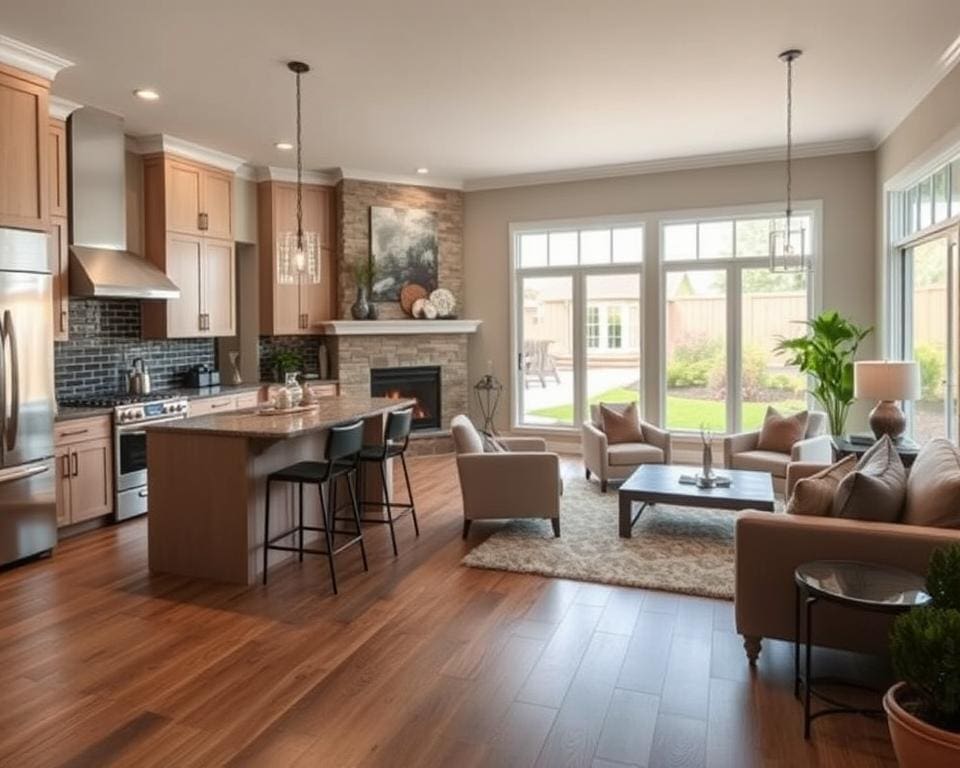
Well-chosen kitchen and bathroom work can lift a home’s appeal and its market price. Buyers favour practical, long-lasting finishes and layouts that make everyday life easier. Targeted updates deliver strong kitchen refurbishment ROI UK and boost bathroom modernisation value when done with restraint and quality.
Contemporary, durable kitchen refurbishments
Buyers look for a functional layout, integrated appliances from trusted brands like Bosch or Siemens, and durable surfaces such as engineered stone or hard-wearing laminate. Matte-finish units in neutral tones suit the widest audience.
Focus on built-in storage, good task and ambient lighting, and effective ventilation with an externally vented extractor fan. Open-plan changes can increase perceived space, but any structural work must be certified and professionally installed.
Avoid overly personalised luxury. Broadly appealing finishes and robust warranties from suppliers such as Wickes or B&Q protect resale prospects. These choices often rank among the best kitchen upgrades for resale.
Bathroom modernisation and accessibility improvements
High-impact bathroom features include back-to-wall toilets, walk-in showers and heated towel rails. Quality tiling and underfloor heating add comfort and perceived value. Good extractors prevent damp and mould.
Accessible bathroom improvements extend the buyer pool. Level-access showers, grab rails, wider doorways and non-slip flooring increase usability for older occupants and families. These adaptations can improve bathroom modernisation value by reducing sale friction.
All wet-room work must comply with building regulations for drainage and ventilation. Use Gas Safe or NICEIC-registered installers where relevant to ensure safety and market confidence.
Budgeting and expected returns for kitchen and bathroom projects
- Typical kitchen cost bands: basic £5,000–£10,000; mid-range £10,000–£25,000; high-end over £25,000.
- Typical bathroom cost bands: basic £2,500–£6,000; mid-range £6,000–£12,000; high-end over £12,000.
Mid-range kitchens and bathrooms often return a strong portion of their cost at sale. Kitchens frequently appear in lists of upgrades with the highest impact, while bathrooms reduce buyer hesitation and support asking prices.
Obtain multiple competitive quotes, check portfolios and references, and plan a 10–15% contingency for unforeseen issues, especially in older properties. Energy-efficient appliances and water-saving fittings appeal to eco-conscious buyers and may cut running costs.
Energy efficiency and sustainability improvements for long-term value
Upgrading a home’s energy performance can be transformational for resale value and buyer interest. Targeted measures that reduce bills and carbon emissions make properties stand out, especially in the energy efficiency home improvements UK market. Buyers often look for evidence that a home will be cheap and comfortable to run.
Improving the EPC rating starts with fabric first measures. Loft insulation to the recommended depth of 300–400mm, cavity wall insulation where suitable, and solid wall insulation for older masonry will cut heat loss. Replacing single glazing with double-glazed PVCu or timber frames with good U-values improves comfort and market appeal.
Sealing gaps around doors and windows and adding draught-proofing strips gives noticeable benefit for little cost. Energy company obligation (ECO) schemes and local retrofit grants can subsidise qualifying works for eligible households, making upgrades more affordable.
Payback comes in lower bills, greater comfort and a quicker sale. Some lenders and buy-to-let landlords require a minimum EPC rating, so these measures can remove barriers for buyers and renters.
Renewable energy and heating upgrades
Replacing an old boiler with an A-rated condensing model is a high-impact first step. Air-source and ground-source heat pumps suit many properties and cut running costs over time. Installing solar PV reduces grid dependence and appeals to eco-minded buyers.
Consider the Smart Export Guarantee for small-scale solar feed-in and check planning requirements in conservation areas or for listed buildings. Manufacturers such as Worcester Bosch, Vaillant and Mitsubishi offer warranties and support; choose installers on recognised schemes for peace of mind.
Balance initial investment against lifetime savings and likely uplift in marketability. Design installations to be sympathetic to the roofline and neighbourhood so they enhance, not detract from, curb appeal.
Smart home technology and energy monitoring
Smart thermostats like Google Nest or Hive, smart meters and energy-monitoring apps make efficiency visible to buyers. These tools help reduce bills and provide better control, boosting perceived value for a modest outlay.
Combine smart meters and home automation with physical efficiency measures to maximise energy performance. Use reputable brands and secure network setups. Leave clear instructions for new owners so the benefits are immediate.
When physical upgrades, renewable systems and smart technology work together, a property looks modern, economical and future-proof. That blend drives interest from buyers seeking long-term savings and comfort.
Curb appeal, extensions and structural improvements that attract buyers
First impressions matter. Simple kerb appeal improvements such as fresh paint, clean brickwork or re-pointing, neat gutters and a well-kept front garden lift buyer perception. A new composite front door, clear house numbers and tasteful lighting are cost-effective touches that photograph well for online listings.
Practical external upgrades can be modest yet impactful. Resurfacing paths, replacing worn fence panels and planting low-maintenance shrubs improve the street-facing look without a large budget. Tidy driveways and a swept porch make viewings feel positive, while high-quality photography and uncluttered exteriors help properties stand out on portals.
Increasing usable floor area usually delivers strong returns when done in proportion to the plot and neighbourhood. Rear extensions, well-insulated conservatories and disciplined loft conversions that add bedrooms or bathrooms often raise home extension value UK and loft conversion value substantially. Check permitted development rights for single-storey rear extensions and engage an architect or structural engineer for larger projects; factor in Building Regulations, party wall matters and VAT.
Never neglect essentials. Structural repairs property value can be severely compromised by unresolved roof faults, damp, subsidence or outdated electrics and plumbing. A RICS HomeBuyer Report or a full Building Survey on older homes will identify hidden problems and provide buyers with reassurance. Keep warranties, certificates and receipts to support the asking price, and choose mid-range durable finishes when you stage the property for sale.