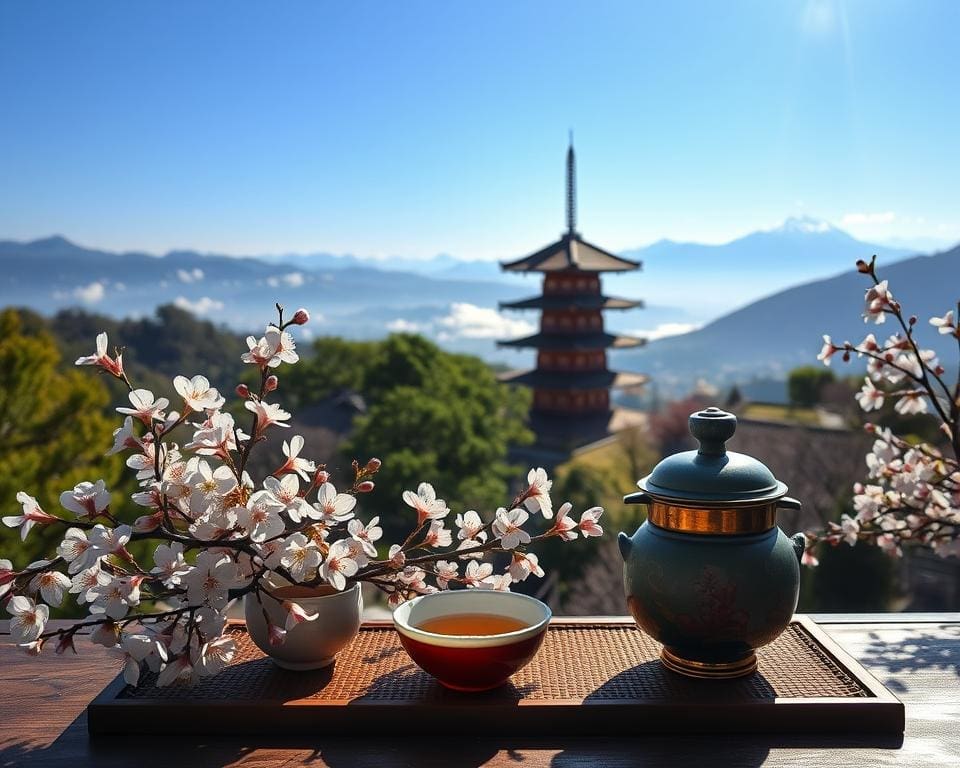

You should put Japan at the top of your travel bucket list 2026 because it packs so much into a compact, easy-to-navigate country. From centuries-old temples in Kyoto to neon-lit streets of Tokyo, Japan offers contrast and variety that make it a must-see Japan destination for culture seekers, food lovers and outdoor adventurers alike.
For UK travellers, accessibility is a major draw. Direct flights operate from London Heathrow to Tokyo and Osaka with British Airways and Japan Airlines, while seasonal services link other UK airports. Arrival procedures are straightforward, many places accept major credit cards, and the country’s reputation for safety, cleanliness and polite service makes exploring simple and reassuring.
Japan’s seasons shape experiences in distinct ways. Spring brings iconic cherry blossoms, summers offer lush landscapes and festivals, autumn delivers vivid foliage, and winters open up ski resorts and snow festivals. This seasonal variety provides rich Japan travel inspiration whatever time you choose to visit.
There are practical reasons to plan your trip now: post-pandemic travel has become easier, infrastructure is expanding with new museums and revitalised districts, and multilingual signage is increasingly common. Events and exhibitions give timely motivations to include Japan on your travel bucket list.
For reliable timing and visitor information, check official sources such as the Japan National Tourism Organization and airline schedules from British Airways and Japan Airlines; UNESCO listings point to heritage sites like the Historic Monuments of Ancient Kyoto. For broader travel round-ups that highlight Tokyo and Japan’s blend of tradition and modernity, see this travel feature on must-visit destinations.
Japan bucket list: essential experiences you must plan
Start with a short plan that balances iconic sights, seasonal moments and practical logistics. Your Japan bucket list experiences should mix city highlights with nature, traditional culture with modern life. A clear itinerary helps you see Tokyo, Kyoto and beyond without rushing.
Iconic sights that define a Japan bucket list
See the famous Tokyo Shibuya Crossing from street level to feel the pulse of the scramble, then head up to Shibuya Sky or the Tokyo Metropolitan Government Building for a skyline view. Walk from Harajuku to Omotesandō to compare youth culture with striking architecture, and finish a day in Ginza for high-end dining and shopping.
Travel to the Fuji Five Lakes to catch clear Mount Fuji viewpoints. Kawaguchi and Yamanaka lakes offer classic reflections, while Chureito Pagoda gives that postcard frame. Plan visits in winter or early spring for the best chance of unobstructed views.
In Kyoto, approach Kiyomizu-dera along the historic streets of Higashiyama and stand on the wooden stage to look over the city. Walk the trails at Fushimi Inari to pass thousands of vermilion torii gates and aim for early morning or late afternoon to avoid crowds. Nearby Gion rewards you with traditional teahouses and atmospheric alleyways.
Unique seasonal highlights to add to your list
For cherry blossom Japan, target late March to early April in Tokyo and Kyoto. Southern Kyushu blooms first, Hokkaido blooms last. Top hanami spots include Ueno Park, Maruyama Park and Hirosaki Castle. Check forecasts from JNTO and the meteorological office to time peak bloom.
Autumn brings vivid koyo colours from late October into early December depending on latitude and altitude. Nikko and Kyoto temple gardens turn fiery red and gold, while the Japanese Alps and Hokkaido offer high-altitude displays.
Winter highlights range from the Sapporo Snow Festival to Otaru’s light sculptures. Visit snow-blanketed Shirakawa-go and Takayama for atmospheric villages, then warm up in an onsen town such as Hakone, Kusatsu or Noboribetsu.
Practical planning tips for your Japan bucket list
Decide the best time to visit Japan by region and activity. Choose spring or autumn for Honshu cities like Tokyo and Kyoto. Pick summer for Hokkaido hiking and winter for its ski season. Kyushu suits earlier cherry blossom viewing and milder winters. Avoid Gold Week, Obon and New Year if you want lower prices and fewer crowds.
Consider the Japan Rail Pass for long-distance travel on shinkansen routes. Compare nationwide and regional passes, check validity rules and buy from authorised vendors before departure for convenience. Use IC cards such as Suica or Pasmo for urban journeys and plan domestic flights when heading to Okinawa or remote islands.
Budget with a clear daily range: backpacker, mid-range and luxury. Book accommodation early in peak seasons and choose from business hotels, ryokan, minshuku, capsule hotels or luxury city hotels. Use respected booking platforms and JR-East reservation services for shinkansen seats and local rail timetables.
Why Japan’s culture makes it a must-visit destination
You will find that Japanese culture balances quiet ritual and bold creativity. Traditional practices remain part of daily life, while contemporary scenes push design and entertainment forward. This mix makes visits deeply rewarding whether you spend time in Kyoto or explore neighbourhoods in Tokyo.
Start with lived traditions that teach respect and presence. A tea ceremony Japan experience in a chashitsu gives you a close look at how form, taste and silence shape social exchange. In Kyoto and Uji you can join authentic sessions led by seasoned hosts. Take part in ikebana workshops and shodō calligraphy classes to try creative apprenticeships hands-on. Follow basic Japanese etiquette: bow when appropriate, remove shoes where requested and heed the host’s instructions during rituals.
Visiting temples and shrines reveals customary practices you can follow easily. Purify your hands and mouth at a temizuya, offer a coin, bow and maintain quiet in sacred halls. Major sites such as Kinkaku-ji in Kyoto, Senso-ji in Asakusa and Meiji Shrine in Tokyo demonstrate different facets of faith and history. Some inner chambers restrict photography, so look for signs and keep movement respectful.
Seasonal matsuri festivals bring community energy to streets across Japan. Gion Matsuri in Kyoto fills July with parades and floats. Awa Odori in Tokushima and the Nebuta Festival in Aomori stage dynamic dances and illuminated processions in August. Local shrine festivals combine mikoshi processions, food stalls and grassroots celebration. Attend with an open mind, follow crowd etiquette and consider wearing neutral clothing to blend with locals.
Move on to contemporary culture and you will see how modern creativity shapes daily life. Anime Tokyo hubs such as Akihabara and Nakano Broadway offer vast manga and collectible scenes. The Ghibli Museum in Mitaka rewards advance planners with immersive exhibits. You can find themed cafés and cosplay events that celebrate fan culture.
Design and modern art appear in striking museum and island projects. Visit Naoshima for architecture by Tadao Ando and curated art spaces. Digital installations at teamLab and contemporary shows at the Mori Art Museum and the 21st Century Museum of Contemporary Art in Kanazawa illustrate experimental practice. Check official sites for ticketing and current openings before you travel.
Japan’s food culture links street stalls to Michelin-starred kitchens. From takoyaki in Osaka to sushi counters in Tokyo, choices range from quick bites to multi-course kaiseki. Visit Tsukiji Outer Market or Toyosu for fresh produce and market energy. Try sake brewery tours in Niigata to learn regional profiles and pairings. Food ties into both ritual and modern innovation everywhere you go.
- Hands-on Kyoto cultural experiences: tea ceremonies, ikebana, shodō
- Respectful temple and shrine visits: temizuya, offering, quiet behaviour
- Seasonal matsuri festivals: Gion Matsuri, Awa Odori, Nebuta Festival
- Contemporary hubs: anime Tokyo districts, Ghibli Museum, themed cafés
- Design and art destinations: Naoshima, teamLab, Mori Art Museum
- Food culture: street stalls, izakaya, kaiseki and sake tours
Breathtaking landscapes and outdoor adventures across Japan
Japan offers striking scenery that invites exploration in every season. You can move from alpine ridges to subtropical shores within hours, so plan routes that match your fitness and interests. Use official national park guidance for safety and up-to-date trail conditions before you set out.
Natural wonders you can’t miss
The Japanese Alps deliver dramatic high-country views. Popular routes in the Northern Alps include Kamikochi and the Tateyama Kurobe Alpine Route. In the central ranges, Matsumoto is the gateway to Hakuba and the ridges of Mount Yarigatake and Mount Hotaka. These trails range from moderate day walks to technical alpine treks. Aim for late spring to autumn for the best conditions and carry appropriate gear or hire a guide for exposed sections.
Coastlines and marine parks offer a different kind of beauty. The Izu Peninsula and the Kerama Islands around Okinawa have clear waters for snorkelling and coral spotting. The Noto Peninsula shows dramatic coastal scenery and quiet fishing villages. Choose dive operators that follow conservation rules if you plan to explore reefs.
Visit national parks to see volcanic landscapes and UNESCO sites. Shikotsu-Toya and Aso Kuju showcase volcanic calderas, steaming valleys and crater lakes. Fuji-Hakone-Izu combines Mount Fuji views with hot springs and coastal walks. Cultural heritage appears nearby in places such as Shirakami-Sanchi and the Historic Monuments of Ancient Kyoto.
Active travel and wellness opportunities
Walking and cycling are excellent ways to connect with the land. The Nakasendō trail threads through preserved post towns if you prefer a historic multi-day walk. The Shimanami Kaido cycle route links islands across the Seto Inland Sea and suits riders of varied abilities. For snow, consider resorts famous for powder: Niseko, Hakuba and Nozawa Onsen offer excellent skiing Hokkaido and Honshu options. Check seasonal opening dates and fitness requirements before booking.
Wellness in Japan often centres on onsen Japan and ryokan stays. Learn simple onsen etiquette: wash thoroughly before entering, do not wear swimwear and be aware that tattoo policies vary between baths. Towns such as Hakone, Beppu, Kinosaki Onsen and Noboribetsu provide a classic ryokan experience with tatami rooms, futon bedding and multi-course kaiseki meals.
Rural visits add wildlife and cultural exchange to your trip. At Jigokudani Monkey Park you can watch Japanese macaques bathe in hot springs. Satoyama farm programmes let you learn seasonal agriculture and traditional crafts. Many villages run homestays or volunteering opportunities that give you hands-on experience while supporting local communities.
- Plan alpine hikes with maps, waterproofs and layers for sudden changes.
- Book onsen stays in advance during peak seasons and follow local rules.
- Choose certified guides for technical routes and check national parks Japan notices.
Practical advice to make your Japan trip unforgettable
To get the most from your visit, plan transport and connectivity before you go. Trains in Japan are the backbone of long-distance travel; the JR lines and shinkansen link major cities, while private railways and metro networks serve urban areas. Reserve shinkansen seats for busy periods, note luggage limits on services, and consider domestic flights with ANA, Japan Airlines, Peach Aviation or AirAsia Japan for long hauls or island hops where time is tight.
Carry an IC card such as Suica, Pasmo or ICOCA for seamless journeys on metros, buses and at many shops. Top-ups are simple at station machines and convenience stores, and you can refund remaining balances at major stations. For staying connected, weigh pocket Wi‑Fi Japan rentals against local prepaid SIMs from SoftBank or NTT Docomo resellers, or short-term eSIMs; coverage is excellent in cities but can be patchy in remote mountains.
Handle money with foresight: Japanese currency is the yen and cash remains common outside big towns. Use post office ATMs or 7‑Eleven machines for international withdrawals, and change currency at airports or reputable bureaux. Tipping is not part of local culture; politeness and a small bow express appreciation. Learn a few phrases—arigatō (thank you), sumimasen (excuse me/sorry)—to ease interactions and show respect.
Choose a pace that balances action with rest. Sample Japan itineraries might include a short 4–5 day Tokyo and Hakone loop, a classic two‑week Honshu circuit (Tokyo → Hakone → Kyoto → Osaka → Hiroshima), or thematic routes like Naoshima art island hops or Hokkaido ski‑and‑onsen breaks. Limit big moves to every two or three days, include at least one slow ryokan stay, and follow responsible travel Japan practices: stick to marked trails, dispose of litter properly, respect quiet hours and support family-run guesthouses and local guides.