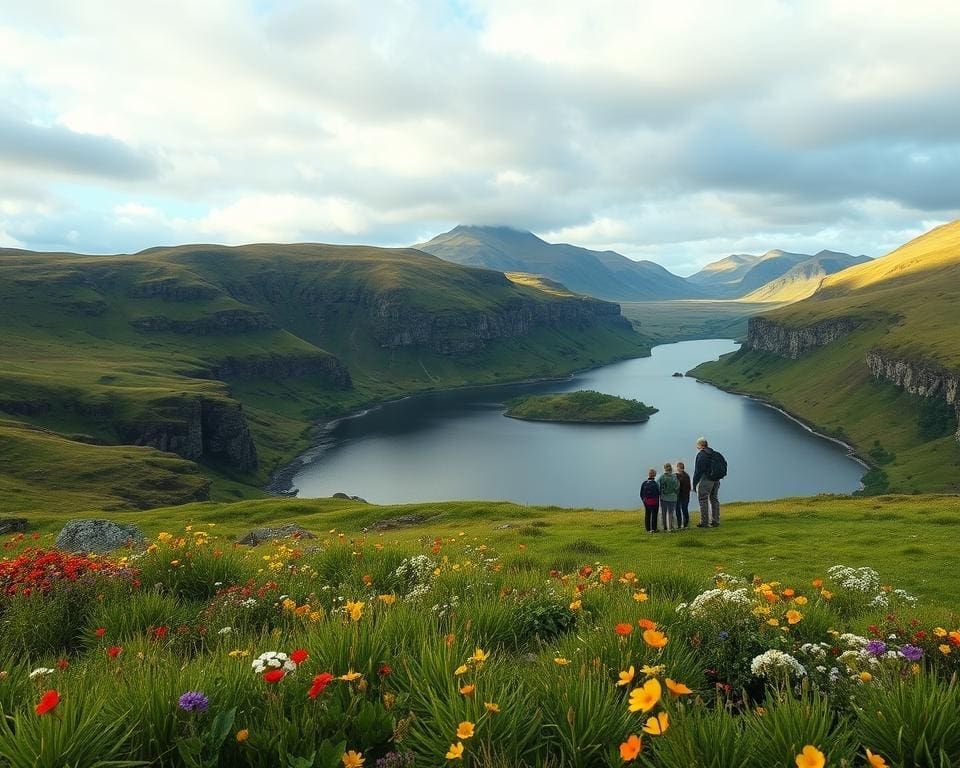

Planning an Ireland nature trip is like opening a map full of varied, compact landscapes. You can visit mountains, loughs, bogs, islands and dramatic coastline without long transfers. This guide points you to the best places to visit in Ireland and shows how to get the most from wildlife watching, walking and nature photography.
Expect a wide range of habitats on your journey: ancient woodland, blanket bog, quartzite peaks, machair grassland, sea cliffs and sheltered bays. You might see red deer in Killarney, otters along rocky shores, seabird colonies such as guillemots and kittiwakes, and raptors like peregrine and hen harrier. Seasonal highlights include spring wildflowers and autumn migration, plus summer sightings of common dolphins and basking sharks.
This article is organised to help you plan a memorable trip. First, discover national parks and reserves, then explore rugged coastlines and islands, and finish with practical planning tips. Each section lists key sights, recommended activities—hiking, birdwatching, mountain biking—plus access and conservation notes so you can enjoy Ireland nature destinations responsibly and find quieter alternatives to the busiest spots.
Top national parks and reserves to explore on your Ireland nature trip
Ireland’s protected landscapes offer a mix of lakes, mountains and coastal scenery that suit short walks and longer treks. You will find clear visitor centres, marked Ireland hiking routes and guided options that help you plan each day. These national parks Ireland showcase varied habitats and rich Irish wildlife across the island.
Below are three must-visit areas with practical highlights, wildlife notes and route suggestions to help you choose where to go next.
Killarney National Park — lakes, mountains and ancient woodland
Start at Muckross House, then take the Muckross Lake Loop for gentle walking and boat trips on Lough Leane. Torc Waterfall sits close to simple car-free paths on the Ross and Dinis peninsulas that are ideal for family outings. Killarney National Park supports native oak woodland and red deer, with otters often seen near sheltered loughs.
For quieter experiences, use the park visitor centre for maps and join a guided walk focused on wildlife spotting. Late spring and summer bring wildflowers while autumn offers crisp colours and fewer people.
Wicklow Mountains National Park — hills, bogs and reservoirs
Head to Glendalough to follow the Upper Lake loop or try the Spinc trail for higher viewpoints over Lough Tay. The Wicklow Mountains are known for heather-covered ridges, blanket bog and historic monastic sites that sit among reservoirs and rugged hills.
Expect meadow birds and upland heath habitats. You should stick to established paths to protect fragile bog and rare plants. Bus services link to Glendalough if you prefer to avoid driving.
Connemara National Park — raw coastal and mountain scenery
Connemara offers stark quartzite peaks such as the Twelve Bens, sweeping machair and coastal inlets. Diamond Hill and Ben Lettery slopes give panoramic views of inland loughs and the Atlantic edge. The visitor centre provides trail maps and local conservation advice.
Coastal habitats attract waders and sea birds, while inland hills may reveal Irish hares and meadow pipits. Choose guided walks for targeted wildlife watching or quieter trails away from main car parks for solitude.
- Best times to visit: late spring and summer for full access to Ireland hiking routes; autumn for colour and reduced crowds.
- Practical tips: use National Parks and Wildlife Service guidance, check local transport links, carry maps from visitor centres, and consider guided walks for spotting Irish wildlife.
- Conservation reminders: stay on paths, follow park rules and support local conservation groups that monitor habitats and provide updates.
Rugged coastlines and dramatic cliffs for spectacular sea views
Walk the coast and you will meet raw sea air and wide views. You can start at famous viewing points with marked paths and visitor facilities. Expect changing light and strong winds that shape every headland.
Cliffs of Moher — iconic cliffs and visitor experience
The Cliffs of Moher offer extensive viewing platforms and a dedicated visitor centre that explains geology and wildlife. From the platforms you can see the Aran Islands and Galway Bay on clear days. Stick to official paths and barriers for safety while you take in the sweep of ocean and sky.
Slieve League and County Donegal — quieter, high sea cliffs
Slieve League cliffs rise sharply above the Atlantic with far fewer visitors than some other sites. You will find exposed paths and panoramic views that feel remote. Wear windproof clothing and sturdy footwear when you explore the headlands.
Wild Atlantic Way stretches — coastal drives and hidden natural gems
The Wild Atlantic Way links scenic pull-ins, small harbours and dramatic headlands. Plan short hikes from the road to discover dunes, coves and quiet viewpoints. Check tide times and weather before you set out to avoid exposed sections in poor conditions.
Seabird colonies animate the cliffs in spring and summer. You may spot puffins in season, guillemots, razorbills, kittiwakes and fulmars from many headlands. Binoculars help you watch nesting activity without disturbing the birds.
Marine wildlife often appears close to shore. Common dolphins and porpoise are frequent in coastal waters while grey and common seals haul out on rocky skerries. In summer you might glimpse basking sharks or a minke whale from shore or on a boat trip.
For the best light and smaller crowds aim for early morning or late afternoon. Spring and summer bring nesting sea birds Ireland, while late spring through summer raises the chances of marine wildlife sightings. Combine a coastal drive on the Wild Atlantic Way with short Ireland coastal walks to reach quieter outlooks and secret bays.
Safety matters on exposed cliffs. Follow signs at the Cliffs of Moher, keep back from edges, and take care on steep tracks at Slieve League cliffs. Carry a map, check local forecasts and wear layers to cope with sudden weather changes.
Islands, boglands and remote landscapes for peaceful nature escapes
Set aside a few days to travel between islands, bogs and quiet western inlets. You can reach the Aran Islands by ferry from Rossaveal, Doolin and other coastal towns. Some services carry cars, though cycling and walking remain the best ways to explore Inis Mór’s ringforts, stone walls and seabird colonies.
Choose Inis Mór to see the main archaeological sites and lively Irish islands wildlife. For quieter birdwatching and a more traditional pace, try Inis Oírr or Inis Meáin. Local boat operators offer short trips that focus on seabird colonies and shoreline features.
Across the west, machair grassland supports rare plants and nesting birds. These low, grassy plains are fragile habitats. Local projects led by BirdWatch Ireland and the National Parks and Wildlife Service protect machair and encourage respectful visiting.
Blanket bogs play a vital role in carbon storage and host sphagnum mosses, cotton‑grass and specialised wildlife. You will find guided peatland walks Ireland at conservation centres and visitor hubs such as the Burren and Cliffs of Moher Education & Research Centre.
When walking on peatlands, stick to boardwalks where provided and follow ranger advice. Avoid trampling vegetation and keep your distance from nesting birds to protect breeding success and maintain the delicate surface of the bog.
Achill Island offers dramatic bays, sea arches and quiet beaches for long, reflective walks. From headlands you can spot dolphins and, on some days, minke whales. Boat trips and guided wildlife excursions increase your chances of sightings.
Plan multi‑day stays on Achill with care. Remote areas have limited services, so book local B&Bs or hostels ahead in high season. Combine island visits with scenic mainland drives to make the most of your time on the western seaboard.
Keep to marked paths, carry out your litter and respect nesting seasons. By travelling thoughtfully you will enjoy Aran Islands nature, explore Irish boglands on safe peatland walks Ireland and encounter diverse Irish islands wildlife without harming fragile ecosystems.
Practical planning for a successful Ireland nature trip
When to visit Ireland matters for what you want to see. Late spring to early autumn (May–September) brings warmer days, wildflowers and peak seabird nesting, while April–May is excellent for spring migration. September–October tends to be quieter and shows good autumn colour and marine migration, with dolphin and basking shark sightings most likely from late spring through summer.
Expect changeable conditions and pack for them. Ireland weather tips include waterproof and windproof outer layers, sturdy walking boots, and layered clothing; take a hat and gloves if you plan higher-ground walks. Bring binoculars and a camera with a telephoto lens for wildlife, and carry map and compass or GPS. Download offline maps because mobile signal is patchy in remote bogs and on islands.
Driving in Ireland requires care on narrow rural roads and single-track routes with passing places. Allow extra time for scenic stretches like the Wild Atlantic Way and check ferry timetables before island trips. You can hire cars from major providers such as Enterprise, Europcar and Sixt, but also consider public transport or local guided tours for birdwatching and marine-watching run by county-based operators and wildlife trusts.
Plan your trip with Leave No Trace Ireland principles in mind. Take litter home, keep dogs under control near nesting birds, stay on marked tracks to protect blanket bog and ground-nesting species, and avoid disturbing livestock. Support conservation by donating to or volunteering with BirdWatch Ireland, the Irish Peatland Conservation Council or national park friends groups, buying local produce and using accredited guides. Respect private land and signage; check seasonal restrictions and obtain permits where required for commercial guided activities.