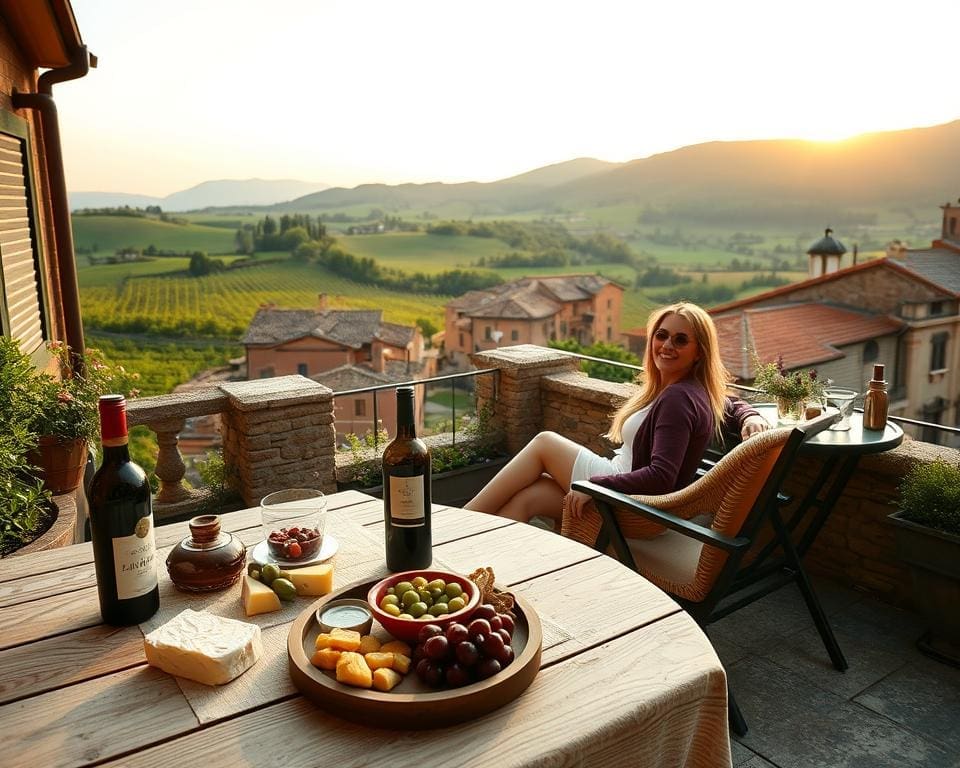

Planning a relaxing holiday in Italy begins with a simple question: what slows you down? This guide helps you plan Italy trip choices that favour calm over cram-packed itineraries. You will find advice on region selection, restful accommodation and gentle daily pacing so your holiday feels restorative.
This article is for travellers from the UK who want a low-key escape. Whether you are a couple, a solo traveller, a family or a small group, the aim is the same: more spa and beach time, fewer rushed museum stops. The focus is on wellness, nature, good food and cultural immersion at an unhurried pace.
Key planning principles steer your decisions. Start with slow travel and make location-first choices to minimise transfers. Prioritise downtime, book quality accommodation and pick activities that restore energy, such as thermal spas, gentle walks, cooking classes, vineyard visits and beach days. These Italy relaxation tips help you shape each day around ease.
Timing and budget affect how relaxed you feel. High season in July and August brings higher prices and crowds. The shoulder months of May–June and September–October often offer quieter conditions and better value. Allocate your budget across flights, accommodation, local transport and wellness experiences for a balanced plan.
Practical UK pointers make preparation easier. Check passport validity rules, and consider departure airports such as Heathrow, Gatwick, Manchester or Birmingham. Flight times from southern England to major hubs like Milan or Rome are roughly 2–2.5 hours. Take travel insurance that covers medical care, cancellations and activities such as thermal spa use.
What follows in this guide is a clear roadmap: choosing the right region, picking accommodation that promotes rest, pacing daily activities for relaxation and handy packing and practical tips. Use these sections to craft an Italy holiday that truly recharges you.
Italy holiday: choosing the right region for relaxation
Choosing where to unwind shapes the whole holiday. Think about what calms you most: sea air, rolling hills or gentle city streets. Each option suits a different idea of rest and helps you plan slow travel Italy with confidence.
Compare coastal retreats, countryside and city escapes
The Italian coast offers salt-scented days and boat trips from places such as the Amalfi Coast, Cinque Terre, Sardinia, Puglia and Sicily. Sardinia gives long sandy beaches around Costa Smeralda. Amalfi and Cinque Terre serve dramatic cliffs and small harbours ideal for short coastal walks.
Puglia brings wide beaches and relaxed trulli villages for slow beach days and simple seafood. Countryside escapes like Tuscany, Umbria and Le Marche put you in vineyards, olive groves and agriturismo stays that suit slow food and quiet walks.
Smaller cities including Florence, Bologna, Lucca and Verona let you soak up culture at a calm pace. You can linger over museums, have long lunches and wander neighbourhoods rather than rushing through major landmarks.
Match your preference: pick coast for sea-based calm, countryside for pastoral rhythm and gastronomy, or a small city for cultured rest. These are among the best regions in Italy for relaxation when you want low key, mindful travel.
Seasonal considerations for quieter travel
High season in July and August brings heat, crowds and higher prices. Beaches and top sites fill quickly. For gentler conditions, aim for May–June or September–October. Shoulder seasons give milder weather and fewer people, with good sea temperatures in late summer and early autumn.
Winter runs from December to February and is quiet in many coastal towns. Thermal spa towns such as Saturnia, Montecatini Terme and Abano Terme stay open and offer peaceful wellness escapes. Ski regions in the Dolomites provide a different kind of rest amid alpine scenery.
Keep local festivals in mind. Ferragosto on 15 August affects opening hours and crowd levels. Plan around such dates to maintain a relaxed pace and make the most of Italy seasonal travel.
Accessibility and travel time from the UK
Flight time UK to Italy varies by destination. London to Rome or Milan is roughly two to two and a half hours. Naples takes about two and a half hours. Sicily is near three hours from the UK. Sardinia sits around two to two and a half hours depending on the departure airport.
Major UK airports run frequent direct services to Rome Fiumicino, Milan Malpensa and Linate, Venice, Bologna, Naples, Cagliari and Palermo. You can fly directly to Bari or Brindisi for Puglia and to Olbia or Cagliari for Sardinia.
Trains are an alternative if you prefer less flying. Eurostar to Paris then high-speed trains onwards extends travel time but reduces domestic flights. Once in Italy, Trenitalia Frecciarossa and Italo link cities quickly. For remote countryside or some coastal roads, renting a car gives flexibility but watch for narrow routes and ZTL zones in towns.
Sample itineraries for slow-paced travel
- 7–10 days in Tuscany: base yourself in an agriturismo near Siena or the Chianti hills. Enjoy market mornings, vineyard visits, a thermal spa afternoon and one cooking class or wine-tasting day with few transfers.
- 10 days on the Amalfi Coast and Capri: stay in Praiano or Ravello to avoid Positano crowds. Take gentle boat trips to Capri, walk the Sentiero degli Dei and reserve evenings for slow meals and sunsets.
- 8–12 days in Puglia and Matera: choose a masseria near Ostuni or Monopoli. Alternate beach days with olive oil tastings and quiet visits to Matera’s Sassi at dawn or dusk to avoid the busiest times.
- 4–7 days wellness break: pick Abano Terme or Saturnia for thermal treatments, massages and light countryside walks, with optional half-day cultural trips nearby.
Where to stay: accommodation options that promote rest and calm
Choose a base that matches how you like to unwind. Picking the best accommodation Italy for relaxation means weighing facilities, location and the pace you want each day. Staying put for several nights cuts travel stress and lets you settle into a routine of slow mornings and restorative evenings.
Luxury wellness resorts and thermal spas
Luxury wellness resorts offer structured programmes and expert-led therapies. Look at Terme di Saturnia Spa & Golf Resort or QC Terme sites such as QC Terme Bagni di Bormio for thermal pools, mud baths and medical spa plans.
Pre-book massages and check whether thermal therapies need a doctor’s note. Confirm what is included in spa packages so you do not face surprise fees while you relax.
Country villas and agriturismo for slow living
Country villas and agriturismo Italy properties are ideal when you want space, fresh food and a slower rhythm. In Chianti, Umbria and Puglia you can find family-run farm stays offering cooking classes, vineyard tours and self-catered options.
Read verified reviews and check practical details like proximity to shops, medical services and station pick-up. Choosing a rural base gives you privacy and a clear link to local produce and traditions.
Boutique hotels and eco-friendly stays
Boutique hotels Italy often occupy restored palazzi or coastal houses, offering personalised service and calm interiors. You can expect small numbers of rooms and attention to detail that aids relaxation.
Eco-friendly stays Italy combine sustainability with comfort. Seek places that use solar power, practice water conservation and serve locally sourced menus. Look for credible sustainability policies when green credentials matter to you.
Choosing a location with minimal travel between activities
Map the activities you value and book accommodation within walking distance or a short drive. If you plan spa days, beach time and winery visits, a central base reduces transfers and gives more leisure hours.
Limit bases to one for a week or two for true rest. If variety matters, restrict stays to two bases across a 10–14 day trip. Check parking, private transfers and rail links before you book.
For guidance on wellness programming and planning, take a look at a practical wellness retreat guide that explains how to choose locations and routines that suit your needs.
Pacing your trip: planning daily activities for relaxation
Plan each day so you have room to breathe. A good rule is one or two main activities daily, with long breaks for a café, a siesta or reading by the pool. That approach creates a relaxing daily schedule Italy and prevents rushed mornings or nights.
Build time buffers between stops. Allow extra minutes for unplanned detours or a lingering espresso. Avoid back-to-back booked tours on most days so you can enjoy spontaneous discoveries and keep slow travel itineraries Italy realistic.
Match activities to the daily rhythm. Explore museums or markets in the cool morning light, take a long lunch like the locals and reserve late afternoons for gentle walks or a restorative spa session. This balance produces a relaxed pace and helps you savour each place.
Designing flexible days with built-in downtime
Draft a shortlist of must-see sites and mark everything else as optional. That way you won’t feel obliged to “see everything” and your itinerary stays manageable.
Schedule regular downtime spots: parks, neighbourhood cafés and short boat trips. These moments form the backbone of a relaxing daily schedule Italy and keep your energy steady.
Balancing sightseeing with restorative experiences
Alternate cultural visits with restorative treats. Combine a museum morning with a vineyard picnic, or a half-day walking tour with thermal baths. This mix preserves enjoyment without fatigue.
Use slow tours Italy focused on food, nature or local crafts to connect with place at a gentle pace. Such experiences let you feel immersed without the pressure of tight timetables.
Transport tips to reduce stress while moving between places
Choose transport modes that match distance and comfort needs. Use high-speed trains for long hops, ferries for coastal legs and a hire car for remote countryside drives. These choices are core transport tips Italy that lower travel stress.
Travel outside peak hours when you can, and be mindful of limited-traffic zones in historic centres. Pack light with good-wheeled luggage to ease transfers and reduce strain during daily moves.
For regional ideas and sample slow approaches, consult practical guides and curated routes hosted online such as slow travel itineraries Italy which can spark your own gentle plans.
Using local guides and slow-tour options
Hire local guides Italy for context, efficient routing and access to quieter times. Private guides tailor pace to your needs and point you to lesser-known neighbourhood cafés and markets.
Choose small-group food tours, vineyard visits or private boat charters as slow tours Italy options. Book reputable operators in advance during busy months and check cancellation policies for peace of mind.
Practical tips and packing advice for a stress-free trip
Before you leave, check your passport against the UK government’s current rules and carry proof of any reservations. Bring your GHIC if you are eligible and take out comprehensive travel insurance that covers medical care, cancellations and any activities such as thermal spa treatments or boating. Keep digital and paper copies of essential documents so you can access them if your phone battery dies.
Use an Italy packing list that focuses on layers and comfort. Pack breathable clothing, a light waterproof jacket for shoulder seasons, smart‑casual outfits for restaurants, swimwear and sturdy shoes for cobbles and trails. Include wellness items such as a reusable water bottle, travel pillow, basic first‑aid kit, sunscreen and insect repellent to keep you comfortable on hot days and rural walks.
Organise your luggage with packing cubes and limit yourself to one main bag plus a daypack to make transfers easier. Take Type L plug adaptors, a portable charger and offline maps or downloaded timetables. For UK travellers Italy’s local connectivity helps; consider a local SIM or roaming data package, and download confirmations for agriturismi and smaller hotels that may have limited Wi‑Fi.
Manage money and local customs to reduce stress. Carry some euros for markets and small towns but use cards where possible, and tell your bank about travel dates to avoid blocked payments. Learn a few Italian phrases and note emergency numbers (112) and embassy contacts for the British Embassy in Rome and consulates. Pre‑book popular experiences and choose flexible cancellation options so you can enjoy a truly stress‑free Italy holiday without over‑scheduling.