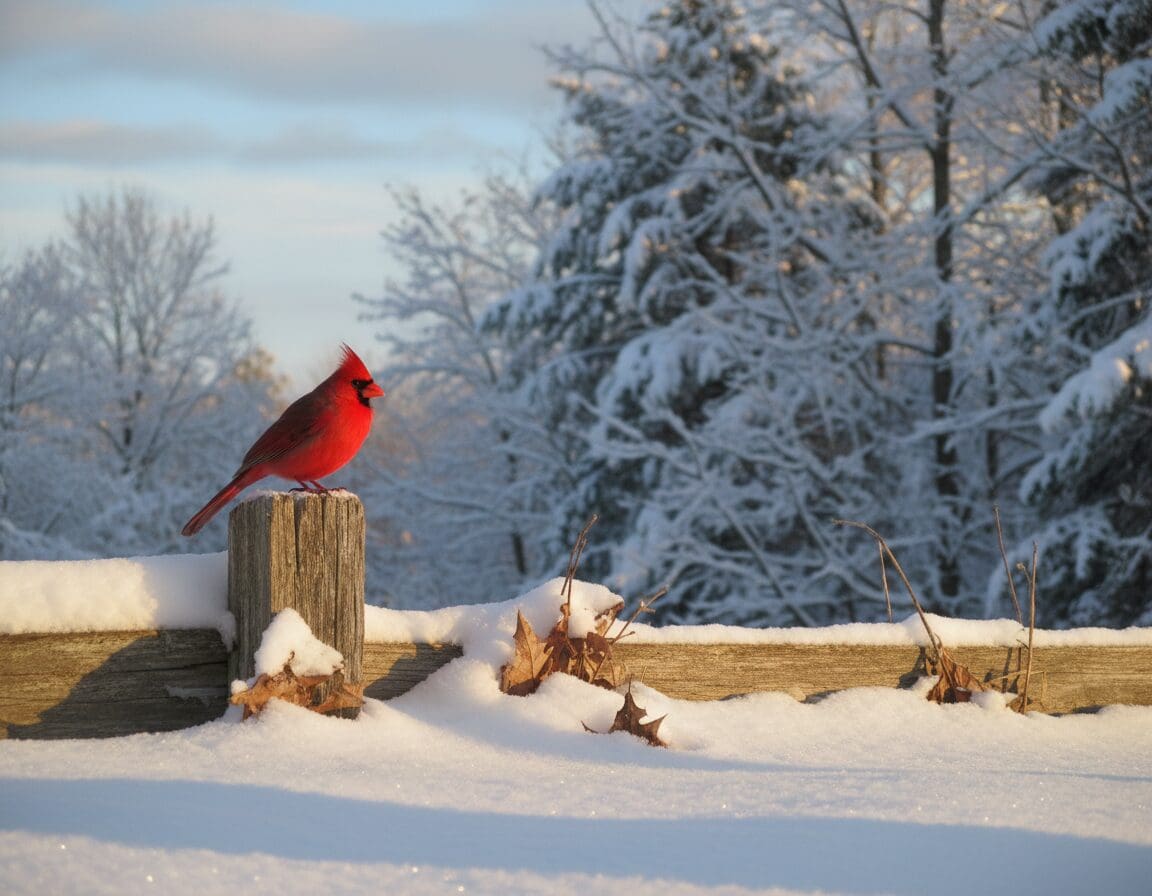

When a bright red bird appears, many people ask: what does a red cardinal mean? This question opens a rich vein of meaning that spans spirituality, emotion and culture.
Cardinal symbolism and cardinal spiritual meaning often point to comfort, love and remembrance. Sightings can feel like a message in times of grief or change, offering a vivid moment of solace that people want to understand.
In the United Kingdom the northern cardinal is not native, yet UK bird symbolism borrows from wider Western traditions. British writers, art and private collections have made the red bird a recognisable emblem, and home-grown species such as the robin and redstart often carry similar resonances for local observers.
This section will frame red cardinal meaning across spiritual messages, emotional resonance and cultural roots, while signalling practical ways to interpret a sighting. Sources range from folklore studies and cultural anthropology to ornithology authorities such as the RSPB and BirdLife International, grounding the discussion in both myth and natural history.
what does a red cardinal mean
The sight of a bright red bird can stop the day. Many people in the United Kingdom and beyond pause, ask a question, and feel a shift in mood. This passage explores how the red cardinal carries meaning for spirit and self, offering practical prompts for interpreting your own encounters.
Spiritual and symbolic interpretations
Across cultures, cardinal spiritual symbolism often places the bird as a messenger from another realm. In Christian-influenced traditions the vivid red links to martyrdom, the Holy Spirit and a life force that seems to call attention to what matters most.
Jungian and archetypal readings see the red bird as a catalyst for inner change. It can represent passion, courage or a warning, depending on the moment you meet it. Comparable motifs appear worldwide where conspicuous birds signal guidance or protection.
Emotional and personal significance
For many the emotional meaning of cardinal sightings is comfort during grief. Bereavement counsellors and anecdotal collections note how a single flash of red can feel like reassurance from someone who has passed.
The bird can also stand for love, renewed energy and creative impulse. At the same time its bright colour sometimes functions as a boundary signal, prompting people to review relationships or decisions.
How to interpret your own sighting
Context matters when interpreting cardinal sightings. Note the date, place and what you were doing. Record whether the bird appeared more than once and how it behaved.
- Ask simple questions: who were you thinking about, did a memory surface, did the sighting follow a dream?
- Try practical exercises: keep a sighting journal, sit in quiet reflection, or light a candle if the moment felt like a message.
- Balance openness with care: consult birdwatching sources for natural explanations while holding space for personal meaning.
Whether seen as cardinal as a sign from beyond or as part of red bird symbolism UK, the most lasting interpretation will be the one that feels true to your life and beliefs.
Red cardinal symbolism in folklore and culture across the UK
Though the northern cardinal is not native to Britain, British storytelling long assigned bright red birds a charged role. In rural tales the European robin often took the part played by cardinals elsewhere, acting as a messenger of the dead and a symbol of hearth and Christmas. Ethnographers recording village beliefs noted this swapping of species in local myth, which helped form modern cardinal folklore UK themes.
Imported images of vivid red birds entered British visual culture during the 18th and 19th centuries. Natural history volumes, colonial collections and decorative arts brought exotic specimens into houses and museums. These prints and cabinet displays fed a fascination with the red bird, planting the motifs that now appear in red bird myths Britain accounts.
Traditional folk motifs often cast winged creatures as psychopomps guiding souls, omens of seasonal change, or embodiments of virtue and vice. Folklore anthologies catalogues these motifs across county lines, showing how a single red bird could be read as warning, comfort or sign of renewal. Such motifs underpin the cultural symbolism of cardinals in contemporary imagination.
Art, literature and popular culture
Artists use the red bird as a focal point to draw the eye and stir feeling. Victorian botanical prints, watercolours and modern wildlife photography place a red shape against muted backdrops to signal contrast and attention. Museum catalogues and art-history studies highlight how this visual shorthand travelled from cabinets to canvases.
British poets and novelists have long employed red birds as seasonal markers and emblems of memory. From Robert Burns’s nature lines to Carol Ann Duffy’s compact imagery, red bird motifs function as messengers or echoes of longing. These appearances have helped cement cardinal in literature as a recognisable symbolic device.
Greeting cards, films and memorial products reuse the red bird motif to convey condolence and presence. Commercial use risks turning deep belief into cliché, yet many people find comfort in the familiar symbol. Analyses of contemporary media trace how the motif moves between sincerity and marketing.
Regional variations and modern interpretations
Scotland, Wales and England preserve subtle differences in bird lore. Celtic traditions emphasise otherworldly journeys and bird omens, while English rural lore links the robin to hearth and festival. Regional bird beliefs UK studies show local history shapes the tone of each tale.
Urban and rural perspectives differ. City dwellers may treat a rare red sighting as symbolic and poignant. Farming communities fold birds into seasonal calendars and practical knowledge. Sociological surveys explore how place alters meaning.
Contemporary spiritual movements, wildlife groups and social media have reshaped meanings yet again. People now use red bird encounters for personal memorials, nature therapy and community storytelling. These new practices broaden the cultural symbolism of cardinals while keeping ties to time-honoured red bird myths Britain.
Practical and natural perspectives: bird behaviour, conservation and how to respond to a sighting
When you spot a bright red bird, it helps to separate myth from natural history. The northern cardinal (Cardinalis cardinalis) is native to North America and is recognised by its prominent crest, thick conical beak and sustained bright red plumage on males. In the UK, red bird sightings UK most often involve the European robin, which is smaller with an orange-red breast, or escaped aviary species such as tanagers. Field guides and trusted sources like the RSPB and the British Trust for Ornithology explain these key identification features and typical cardinal bird behaviour: territorial displays, singing from high perches and feeding at ground level or on seed feeders.
Understanding conservation and legal context matters. The northern cardinal is listed as Least Concern on the IUCN Red List and is not a conservation priority in Britain, but escaped exotic birds should be treated with care. Bird conservation UK focuses on protecting native species and habitats; supporting organisations such as the RSPB and BTO and practising garden-friendly stewardship helps local biodiversity. If an exotic or injured bird is found, contact local wildlife rescue or the RSPCA rather than attempting to handle it yourself.
If you want to record a sighting, there are simple steps to follow. Observe calmly, note identifying features and behaviour, take clear photographs when possible, and write down the date and location. Report notable records through local schemes such as BTO BirdTrack and consult RSPB red bird guidance for safe feeding and welfare advice. Practical recording enriches scientific data and connects personal experience with community knowledge.
Finally, balance inspiration with science. If a sighting felt meaningful, pair that feeling with practical actions: journal the moment, enjoy mindful birdwatching, or support bird conservation UK initiatives. Mindful observation honours both the symbolic and the real needs of birds in our gardens and countryside, ensuring that wonder leads to welfare and lasting support for wild species.
FAQ
What does a red cardinal mean?
A red cardinal is widely seen as a powerful symbol of presence, vitality and emotional connection. In many spiritual traditions it appears as a messenger or sign of reassurance from a departed loved one, carrying comfort during grief or transition. The crimson colour also evokes passion, courage and life force in religious and archetypal readings. For readers in the UK, it’s helpful to view the cardinal as a symbolic motif rather than a common native species; red British birds such as the robin and redstart often assume the same emotional and cultural roles locally.
Is the northern cardinal native to the United Kingdom?
No. The northern cardinal (Cardinalis cardinalis) is native to North America and is not naturally widespread in the UK. Sightings in Britain usually relate to escaped aviary birds or private collections. Yet the idea of the red cardinal has entered British cultural life via literature, natural history prints and imported imagery, so its symbolism is often recognised even where the species itself is rare.
Can a red bird sighting truly be a message from someone who has died?
Many people describe red-bird encounters during bereavement as meaningful and comforting. Psychological research on synchronicity and grief counselling suggests such perceptions can aid coping and give a sense of continuing connection. That said, interpretations are personal: some find solace in spiritual meanings, while others prefer symbolic or psychological explanations. Both responses can be valid and healing.
How should I interpret my own sighting of a red bird?
Context matters. Note the date, place, your emotional state and any thoughts or memories present at the time. Ask what associations the bird evokes for you: a person, a memory, a decision. Keep a brief sighting journal, take photographs if possible, and reflect quietly or through a short ritual—lighting a candle or writing a letter—if the moment feels significant. Balance openness to meaning with practical awareness: consult ornithological explanations when appropriate.
Which British red birds are most often associated with similar symbolism?
In the UK, the European robin (Erithacus rubecula) and the common redstart frequently carry symbolic weight similar to the cardinal. Robins, in particular, have long been linked to hearth, seasonal festivals and messages from the dead in British folklore. These native species are more likely the cause of meaningful encounters in gardens and parks.
Are there established cultural or literary examples of red bird symbolism in Britain?
Yes. British art, poetry and Victorian natural history frequently use red-bird imagery as a focal symbol of longing, memory and seasonal change. Illustrations, greeting cards and memorial art also adopt the motif to convey consolation. While specific usages vary across authors and artists, the red bird remains a recurring emblem in the British cultural imagination.
Could a red bird sighting ever signal danger or a warning?
In some traditions the vivid red of a bird can signify caution, boundary-setting or a need to address unresolved issues. Psychologically, striking visual cues often prompt heightened attention. If a sighting feels like a warning, reflect on current relationships or decisions to see whether something requires care or clearer boundaries. Combine this reflection with practical checks—don’t over-interpret every encounter.
How can I tell a northern cardinal apart from similar red birds?
The northern cardinal is distinctive: males display sustained bright red plumage, a pronounced crest and a thick conical beak. By contrast, the European robin is smaller, with an orange-red breast and no crest. If in doubt, photograph the bird and consult field guides such as the Collins Bird Guide or resources from the RSPB and British Trust for Ornithology for confirmation.
What should I do if I find an injured red bird in the UK?
Do not attempt to handle or treat wild birds unless trained. Note the location, take a photograph if safe, and contact local wildlife rescue or the RSPCA for advice. If the bird is clearly an escaped aviary species, local rescuers or bird clubs can often help. Avoid feeding inappropriate foods and follow professional guidance to protect both you and the bird.
Should I report an unusual red-bird sighting and how?
Yes—recording notable sightings contributes to citizen science and local knowledge. Use schemes such as BTO BirdTrack or regional recording groups to log the date, location and identifying features. Photographs and brief behavioural notes are valuable. Reporting helps ornithologists monitor patterns of escaped or vagrant birds and supports conservation work.
How does understanding bird behaviour and conservation affect the way I interpret a sighting?
Knowing natural-history facts grounds symbolic interpretations. Recognising that the northern cardinal is non-native and that robins are common garden visitors helps avoid misidentification and over-interpretation. Conservation awareness also shapes ethical responses: support native bird habitats, use appropriate feeders and seeds, and back organisations such as the RSPB and BTO. This balanced approach honours both the inspirational meaning and the welfare of birds.
Where can I read more authoritative sources on symbolism and bird behaviour?
For folklore and symbolism, consult folklore anthologies, comparative religion texts and cultural-anthropology studies. For ornithology and conservation, reputable sources include the RSPB, British Trust for Ornithology and the IUCN Red List. Bereavement counsellor writings and nature-therapy literature also offer practical guidance on integrating meaningful nature encounters into personal healing.