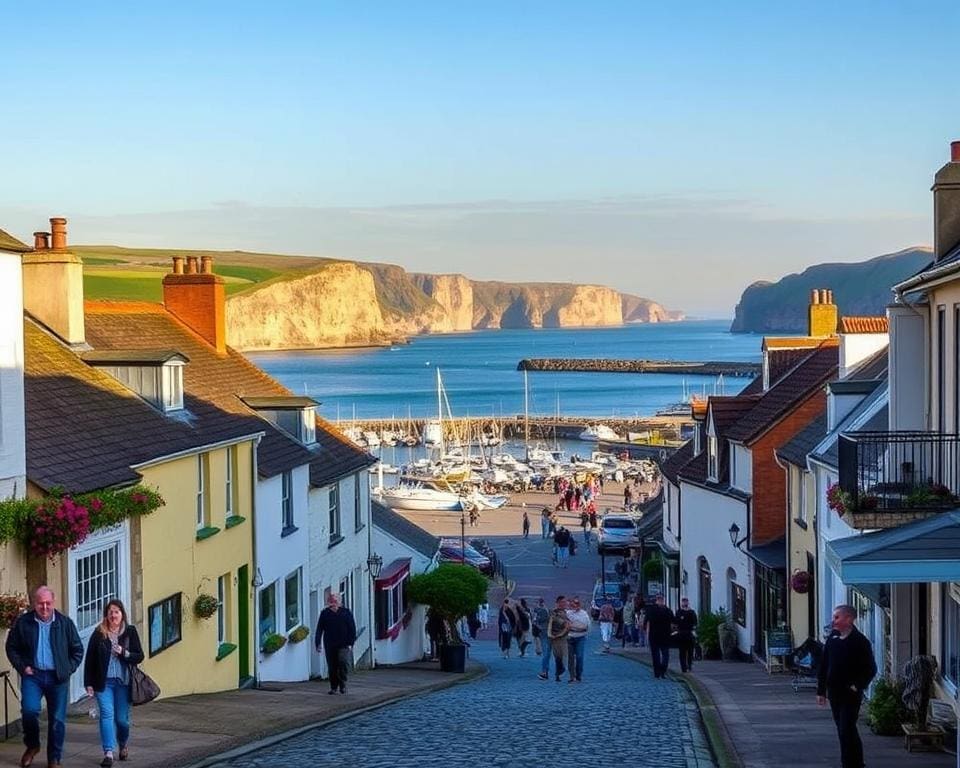

This guide helps you pick the best coastal towns in England for weekend escapes. You’ll find concise, practical advice so you can choose a two- or three-day break that suits your pace, whether you want sandy beaches, rugged cliffs or a lively harbour town.
Short coastal breaks are valuable because travel times from London, Manchester or Birmingham are often under three hours by train or car. That makes seaside weekend getaways easy to plan around work and family commitments, and gives you time for both relaxation and activity.
Across the article you’ll read regional recommendations, clear travel and accessibility tips, and a simple planning checklist. Expect a balance of stunning views, delightful cuisine and refreshing sea breezes, plus notes on local walks, cultural sights and where to eat.
Whether you’re based in the UK or visiting from abroad, this piece aims to save you time and effort so you can pick one of the coastal towns in England that matches your interests and the season. Use it to find the best coastal towns UK has to offer for memorable weekend escapes England.
England coastal towns to visit this weekend
Short trips to the shore can reset your mood in a single weekend. Sea air and open views reduce stress and lift spirits, which makes coastal weekend breaks an efficient choice for busy lives. You can stroll a harbour, watch waves from a clifftop or warm up in a cosy pub after a bracing walk.
Why choose a coastal town for a short break
Choose a coastal town when you want quick restorative benefits and easy logistics. Many seaside short break destinations are compact and walkable, so you waste less time travelling and more time relaxing. Seasonal events such as seafood festivals and regattas add variety to visits throughout the year.
Coastal towns work for every mood. Autumn and winter reveal dramatic storm-watching and snug pubs. Spring and summer offer bathing, outdoor dining and lively terraces. Those seasonal contrasts mean a seaside short break is appealing in any month.
How to pick the right town based on what you want (beaches, walks, food)
Match the town to what matters most to you. If you prize long sandy shores for sunbathing and family fun, places like Bournemouth or Scarborough fit the bill. For dramatic, quieter seascapes pick pebble or shingle beaches such as Whitby.
For walking and scenery, look for clifftop towns and coastal paths. South West spots like St Ives and Northumberland villages suit hikers who want wide views and coastal wildlife. If food drives your trip, seek harbours and market towns with a strong seafood scene, for example Padstow, Aldeburgh or Whitstable.
Surf and watersports are centred in Newquay and Croyde, where you will find lessons, rental shops and a lively surf culture. For families choose towns with promenades, arcades and lifeguarded beaches. Couples often prefer smaller fishing villages and boutique B&Bs for a quieter, romantic feel.
Consider budget and crowds when you plan. Northern and lesser-known East Coast towns often cost less and feel less busy than South West hotspots. Use this trade-off to decide whether to prioritise savings or coastal buzz.
Best times of year for a weekend escape and what to expect
Timing shapes what you will experience. Spring (March–May) brings milder days, bluebells and fewer crowds. It is a sweet window for coastal walks and birdwatching, with lower accommodation rates than summer.
Summer (June–August) delivers the warmest weather and longest daylight. Festivals run at full tilt, cafés are busy and beaches fill up. Book ahead if you want popular spots over a holiday weekend.
Autumn (September–November) is prized for crisp air, seafood season and dramatic storm-watching. Prices usually drop and attractions are less crowded. Winter (December–February) offers low-season bargains and peaceful stretches of coast. Check opening times for restaurants and visitor sites before you travel.
When you plan a seaside short break, factor in weekend beach weather UK forecasts and local events. If you need quick ideas for city-based extras on longer trips, read suggestions on how to mix town and coast at best city break ideas.
Top coastal towns in England with must-see highlights
Use this compact guide to pick a weekend escape from a curated best coastal towns England list. Each area has its own character, from surf and seafood to castles and calm promenades. Practical notes on travel and coastal accessibility UK appear at the end to help plan your trip.
South West gems: charm, surf and seafood
St Ives in Cornwall offers sandy bays, the Tate St Ives gallery and a working harbour where you can eat fresh seafood. Walks along the South West Coast Path are short and rewarding.
Newquay is Britain’s surf capital with surf schools on Towan Beach and lively evening options. Coastal walks lead to dramatic headlands like Bedruthan Steps and Watergate Bay.
Padstow serves top-class dining and a bustling harbour. The Camel Trail is ideal for cycling between villages and estuary views.
Salcombe provides estuary sailing, boutique shops and scenic viewpoints. Ferries cross the harbour for short trips and waterside meals.
Practical tip: parking in South West coastal towns can be tight in summer. You should consider public transport, pre-booked parking or an early arrival.
North and North East favourites: rugged coastlines and history
Whitby in North Yorkshire pairs a dramatic abbey with cobbled streets and classic fish and chips. It links to the North York Moors for longer walks.
Scarborough remains a traditional resort with sandy beaches, family attractions and a castle that watches over the bay. Coastal trails connect to Robin Hood’s Bay.
Tynemouth and South Shields near Newcastle offer wide beaches, fortress remains and an emerging food and brewery scene. Trains from Newcastle make day trips easy.
In Northumberland, Bamburgh’s castle dominates the skyline while Seahouses provides boat trips to the Farne Islands for bird and seal watching.
Practical tip: many North England seaside towns have good rail links from cities such as York and Newcastle. Expect narrow lanes in old town centres and check local parking and bus options.
East and South East picks: gentle beaches and waterside dining
Whitstable in Kent is famed for oysters, independent shops and a shingle shore close to London. It suits short breaks and relaxed dining.
Aldeburgh on the Suffolk coast has a gentle shingle beach, music events and easy access to the Suffolk Coast & Heaths Area of Outstanding Natural Beauty.
Margate and Southend-on-Sea bring retro charm, piers and galleries, with Margate’s Turner Contemporary a cultural draw.
Rye and Hastings offer maritime history and medieval lanes, while Camber Sands provides a wide stretch of sand nearby for family days out.
Practical tip: many East Coast towns sit within a two- to three-hour train or drive from London. Weekend traffic and town-centre parking need planning.
Accessibility and travel tips for each town (trains, roads, parking)
Trains: look for direct or simple-change services from major hubs. Check National Rail for advance fares and weekend engineering works before you travel.
Roads: South West drives usually take longer from London, often three to six hours. Northern and East Coast drives are shorter for many travellers. Plan routes using AA or RAC guidance and allow extra time during busy weekends.
Parking: research long-stay car parks, town permits and private options. Harbour-side centres often have limited pay-and-display spaces. Use park-and-ride where available.
Local transport and access: many promenades and harbours offer step-free routes, though clifftop paths can be steep. Check Tourist Information Centres for details on mobility access, accessible toilets and Blue Badge parking.
Planning your weekend escape to a coastal town
Start with a practical coastal weekend checklist so you can plan coastal weekend trips with confidence. Book accommodation early and reserve any popular restaurants or activities, especially in high season. Consider flexible cancellation terms and save confirmations to your phone. Pack a waterproof jacket, layered clothing, sturdy walking shoes, swimwear, sun protection and binoculars for bird or seal watching.
Think about timing and build a simple itinerary. For a relaxed food-and-town weekend, arrive Friday evening, enjoy a seafood dinner, explore markets and galleries on Saturday, then take a Sunday coastal walk before you leave. For an active outdoors weekend, plan a surf lesson or a long coastal walk on Saturday and a cycle or boat trip on Sunday. Families should choose beaches with lifeguards and include aquariums or gentle train rides.
Save money and travel sustainably by using advance rail tickets, travelling off-peak or car-sharing to cut parking and fuel costs. Compare B&Bs, guesthouses and self-catering cottages to find the best value and try mid-week stays for lower rates. Respect wildlife, follow coastal-path markers and use reusable water bottles; support local cafés and fishmongers to help the town’s economy while you book seaside escape experiences.
Final practicalities matter: check National Rail Enquiries and regional transport services for timetables, look at VisitEngland and local tourist information for events and accessibility, and consult the Met Office plus local harbour masters for weather and tide times. Download offline maps and save confirmations, and for ideas on destinations such as Brighton, Margate, Rye and Whitstable see this short guide to nearby escapes: best weekend escapes near London. This simple planning approach will make England coastal towns planning straightforward and enjoyable.