
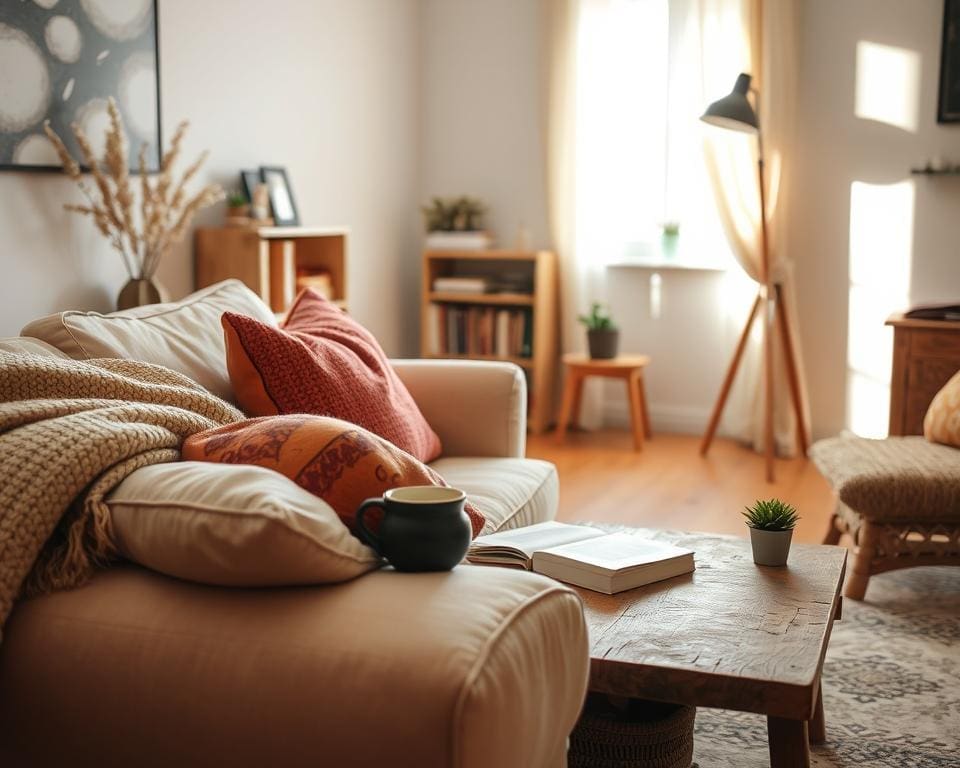
You can make your home feel warm and welcoming without spending a fortune. This guide shows simple, practical steps to build a cosy home on a budget that improves wellbeing and daily comfort.
Cosiness matters. A warm inviting home reduces stress, helps you relax after a busy day and makes guests feel at ease. Small changes can have a big effect on mood and on how you use each room.
In the pages ahead you will learn what elements create that snug feeling, plus budget-friendly decorating strategies, DIY projects and where to find bargains at charity shops, car boot sales, Gumtree and Facebook Marketplace.
Many of the tips also save money. Draught-proofing, better insulation and efficient lighting boost budget home comfort while cutting bills.
Before you continue, take a moment to note your priorities: which room you want to focus on, current pain points like cold drafts or poor lighting, and a simple budget. That will help you create an affordable cosy home tailored to your needs.
Understanding what makes a cosy home
Creating a cosy atmosphere starts with simple choices that signal warmth and safety. You do not need to spend a fortune to change how a room feels. Focus on sensory cues, personal touches and small fixes that make your home inviting and restful.
Defining cosy: warmth, comfort and personal style
Defining cosy means more than soft cushions and warm colours. It covers physical warmth, tactile comfort from textiles, layered lighting and items that reflect your taste. Personalised spaces reduce stress and boost wellbeing, a point shown in research on familiar environments.
Think tactile textures such as wool throws, linen cushions and plush rugs. Add warm-hued lamps, slow-burning candles or a reed diffuser for scent. Low-volume background music or a quiet playlist helps set the mood without distracting you.
Prioritising atmosphere over expenditure
You should aim to change perception, not just buy expensive furniture. A well-placed lamp, fresh cushions and a coat of paint can transform a sitting room more than a costly sofa. Allocate your budget to high-impact, low-cost items first: textiles, lighting and paint.
Small investments often give the biggest return. Replace harsh overhead bulbs with warm LEDs, layer throws for texture and use soft lamps near seating. These moves create a cosy personal style that feels intentional and warm.
Assessing your space and lifestyle needs
Begin a room assessment for cosy home by listing how you use each space. Note primary use: relaxing, entertaining or working. Check natural light, storage needs, traffic flow and problem spots such as cold corners or echoing rooms.
- Measure rooms and photograph them to spot opportunities.
- Look for thermal issues common in older UK homes, like single-glazed windows or skirting-board draughts.
- Consider simple fixes: draught excluders, thermal curtains and insulating rugs to improve warmth and cut heating bills.
Start with one room, often the living room or bedroom, to get quick results. A focused project gives momentum and helps you refine your cosy personal style before wider changes.
Budget-friendly decorating strategies for a cosy home
Start with small, high-impact changes that won’t break the bank. Focus on what makes a room feel warm and lived-in: texture, light and a clear layout. Tackle easy updates first, then phase in paint or furniture moves as your budget allows.
Layering textiles: throws, cushions and rugs
Layering textiles cosy uses throws, cushions and rugs to add warmth and texture. Mix materials such as wool, faux fur and linen for tactile contrast.
Choose a cohesive palette and vary sizes and patterns to avoid a cluttered look. Buy affordable pieces from Tesco, IKEA, Dunelm, Next Home or The Range, and consider discount retailers for extra savings.
Use rug underlay for safety and insulation. For hard floors, temporary non-slip pads stop slipping and protect surfaces.
Lighting to create warmth: lamps, candles and dimmers
Cosy lighting ideas centre on layered sources: table lamps, floor lamps and accent lights. Pick warm bulbs around 2700K for a soft glow.
Fit plug-in dimmer switches if rewiring is not an option. LED filament-style bulbs give a warm look with low running costs.
For ambience, add candles or LED tealights and follow safety tips. Battery-operated candles from IKEA or Yankee Candle offer a flame-free option.
Decluttering and arranging for comfort and flow
To declutter for cosy home, use a simple keep, donate, recycle approach. Sort items into three clear piles and act on them straight away.
Choose storage solutions like under-bed boxes, baskets and over-the-door organisers. Donate usable items to British Heart Foundation or Oxfam shops.
Arrange furniture to encourage conversation and create cosy nooks. Position seating around a focal point, leave 60–90 cm walkways and use rugs to define zones.
Affordable colour schemes and paint hacks
Choose warm, muted palettes such as soft ochres, terracotta, sage or warm greys to boost cosiness. Test swatches at different times of day before committing.
Affordable paint hacks include painting one accent wall, using tester pots and choosing eggshell or matt finishes for a soft effect. Brands like Dulux, Crown and small tins from Farrow & Ball help manage costs.
Upcycle furniture with chalk paint for a vintage feel without reupholstery. Plan changes in phases: textiles and lighting first, then paint and layout adjustments as funds permit.
For a practical checklist and more tips on low-cost updates, see this helpful guide: easy home decor tips for a cosy living.
DIY projects and thrifty shopping to enhance comfort
Creating a DIY cosy home starts with a few simple projects and smart shopping trips. Small upgrades make a big difference to warmth and personality. Below are practical ideas to help you refresh furniture, find bargains and craft personal touches without overspending.
Upcycling furniture and simple upholstery tips
Begin by assessing pieces for solid timber frames and structural soundness. A quick sand, two coats of chalk paint and a layer of Clear Wax will revive side tables and shelves without stripping. Replace knobs and handles to modernise a chest or cupboard.
For soft furnishings, use pre-cut foam and ready-made fabric covers to refresh seat pads. Replace cushion inserts for loft and comfort. Essential tools include an electric sander, a quality brush, a staple gun and upholstery needles. Buy materials affordably from Wickes, Screwfix and Hobbycraft.
Try re-staining open shelving to bring out grain. Use removable slipcovers on sofas to change colour and texture seasonally. These projects help you upcycle furniture while keeping costs low.
Where to find bargains: charity shops, online marketplaces and car boot sales
Charity shops furniture often hides gems. Look regularly at Oxfam, British Heart Foundation and Sue Ryder for solid pieces. Inspect joints and test drawers before buying.
Search Gumtree and Facebook Marketplace for larger items you can collect and negotiate on price. Use eBay for vintage finds and scan Freegle or Freecycle for free items to restore. Car boot sales are best in spring and summer; arrive early and be ready to haggle politely.
When you thrift shopping cosy home, focus on frames and hardware that can be repaired or refreshed. Avoid second-hand electrical items that lack safety certification such as smoke or carbon monoxide alarms.
Easy crafts to personalise your space
Simple DIY home crafts add character and emotional warmth. Sew handmade cushion covers from offcuts or remnant fabric. Make macramé plant hangers from cord and hang them by a sunny window.
Create framed fabric or wallpaper samples as low-cost art. Try candle-making kits for bespoke scents and seasonal wreaths using foraged foliage. Buy supplies from Hobbycraft, The Range or Etsy for unique materials.
Personal projects cost less than designer decor and help you build a truly cosy atmosphere. For more affordable furnishing ideas and inspiration, see this helpful guide from a practical home style resource affordable furnishing ideas.
- Budget for a few essential tools and consumables.
- Join local DIY clubs or SkillsSwap groups to learn new techniques.
- Choose FSC-certified wood and low-VOC paints to stay sustainable.
Practical tips to maintain a cosy atmosphere without overspending
Keep cosiness alive with simple daily and weekly habits. Tidy surfaces each evening, plump cushions and fold throws, and launder covers on a weekly rota to preserve fabrics. Air bedding on sunny days and fix small issues early — a loose skirting board or a dripping tap can damage finishes and erode comfort over time. These small acts of cosy home maintenance extend the life of your soft furnishings and keep rooms feeling welcoming.
Use energy-smart, low-cost measures to save money and boost warmth. Fit draught excluders, radiator reflectors and thermal curtain liners, and consider a programmable thermostat to heat rooms only when you need them. Insulating your hot water cylinder is inexpensive and effective. For extra support, consult Energy Saving Trust resources or local council schemes that can advise on grants and improvements. Such steps help you maintain cosy home conditions while lowering bills.
Adapt textures, lighting and scent with the seasons. Swap heavy wool and faux-fur for linen and pale throws in summer, and reverse the change as the weather cools. Use lamp-only lighting in the evening to create a soft glow and keep a small candle ritual with safety checks. Build a playlist for different moods and rotate textiles to refresh rooms without new spending. These routines show how to keep home cosy on a budget through small seasonal shifts.
Plan incremental upgrades and prioritise impact. Keep a running list of items you want and buy during Boxing Day, January sales or Black Friday, or use retailer vouchers to stretch your budget. Set aside a small monthly amount for improvements so changes feel manageable. Start with one room, apply layering and lighting tips from earlier sections, then try a DIY or a thrifty find to complete the look. With steady habits and cheap cosy home tips, you’ll create lasting warmth and comfort across your home.