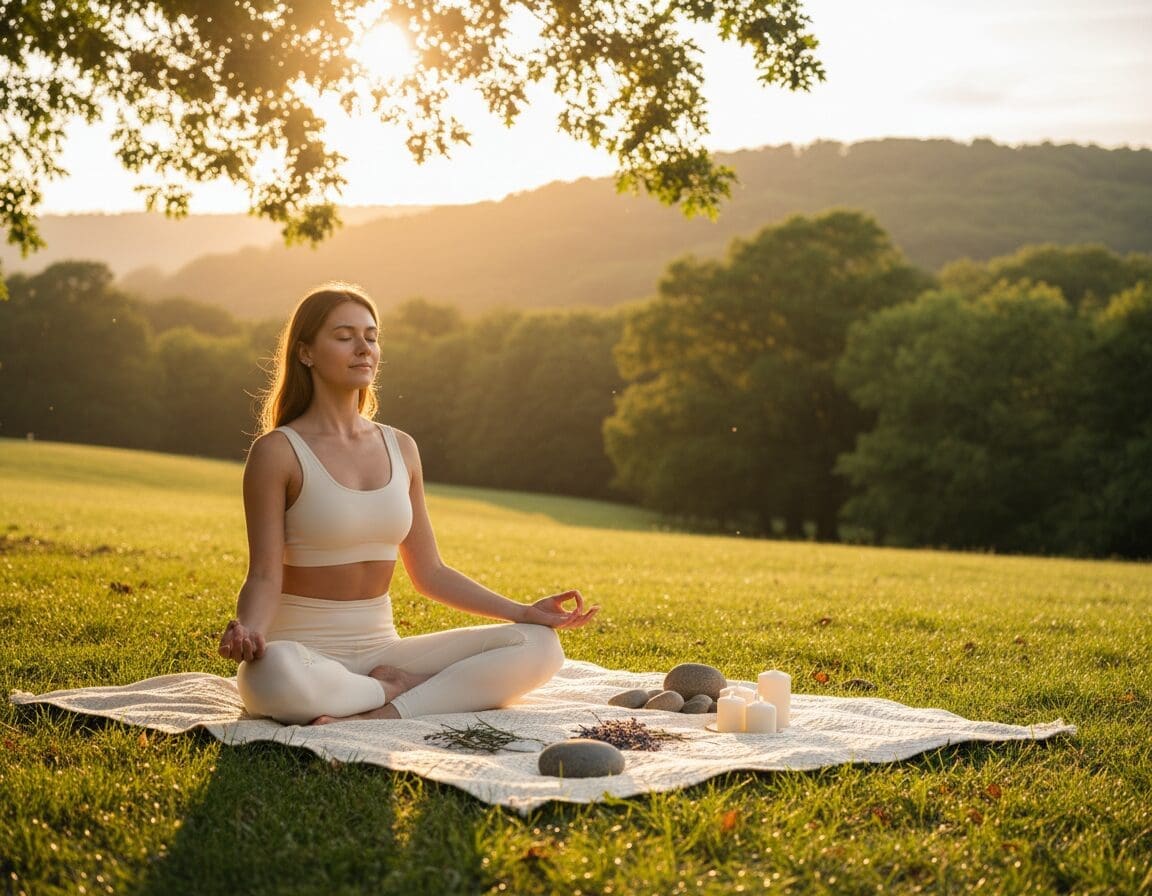

This article outlines evidence-based, practical ways to relieve stress naturally, tailored for people living in Ireland. You will find natural stress relief methods that focus on lifestyle, mind–body practices and simple changes to your environment that do not rely on medication.
Using these approaches can help you reduce stress naturally and enjoy better sleep, improved mood, lower blood pressure, sharper concentration and stronger immune function. Health authorities such as the HSE and NHS highlight lifestyle measures—sleep routines, activity, nutrition and stress management Ireland resources—as effective first steps for holistic wellbeing.
The guide follows a three-pronged approach: lifestyle adjustments, mind–body practices and practical habits/supportive environments. Each section builds on the last so you can create a sustainable, personalised plan that fits your everyday life.
If your stress is severe, persistent or comes with suicidal thoughts, major sleep disturbance, marked weight change or impaired daily functioning, consult your GP or a qualified mental health professional. Natural methods can complement clinical care but should not replace treatment for anxiety disorders or major depression.
Read the sections, pick one or two manageable strategies to try for two to four weeks, and track how you feel. Use local supports such as HSE mental health pages, Samaritans (UK & ROI) and MBSR courses in Ireland to help with long-term stress management Ireland and wider holistic wellbeing.
How lifestyle changes help you relieve stress naturally
You can lower everyday pressure by changing simple habits in your daily life. Small shifts in sleep, food and movement build resilience. The tips below follow NHS and HSE guidance and suit busy lives in Ireland.
Prioritise sleep and establish a bedtime routine
Good sleep matters because sleep and stress are tightly linked. Adults usually need 7–9 hours to restore mood and thinking. Poor sleep raises emotional reactivity and makes problems feel worse. Chronic stress can break sleep patterns and reduce deep sleep.
Use sleep hygiene Ireland practices to improve sleep naturally. Keep regular sleep and wake times. Make the bedroom cool, dark and quiet. Limit screens an hour before bed to protect melatonin release.
Create a simple bedtime routine to calm your mind. Try a 30–60 minute wind-down with low-light activities, a warm shower, gentle stretches, brief breathing practice and journalling to offload worries. Apps such as Headspace or Calm can help; you can use free NHS or HSE resources if preferred.
Avoid large meals, caffeine and alcohol close to bedtime. Reserve your bed for sleep and intimacy only. If you struggle to fall or stay asleep three or more nights a week for several weeks, speak to your GP about talking therapies such as CBT‑I or local Irish providers.
Nutrition and hydration that support resilience
Your diet affects mood and stress reactivity. Stable blood sugar, enough micronutrients and good hydration help you feel steadier. Lack of iron, vitamin D, B vitamins or omega‑3s can increase fatigue and low mood.
Choose a diet for mental health Ireland by eating balanced meals with wholegrains, lean protein and healthy fats. Oily fish, nuts and seeds supply omega‑3s. Plenty of colourful vegetables and fruit give fibre and micronutrients. Low‑GI foods and regular meals help to stabilise energy.
Hydration and stress link to concentration and mood. Even mild dehydration can make you irritable and less focused. Sip water across the day and check urine colour as a simple guide. Limit caffeine to moderate amounts and avoid late‑afternoon intake to protect sleep.
For quick wins, batch cook balanced meals, pack simple lunches and choose snacks like yoghurt, fruit and nuts. Consider vitamin D testing and supplements in line with HSE advice, and consult your GP or a registered dietitian before starting new supplements.
Regular physical activity for mood and calm
Exercise changes physiology to reduce stress. Physical activity for stress lowers cortisol, boosts endorphins and improves sleep and confidence. HSE recommends at least 150 minutes of moderate activity weekly plus strength sessions.
Pick activities you enjoy so you stick with them. Brisk walking, cycling, swimming, running, gym classes, dancing and resistance training all help. Walking for stress is especially accessible and effective for short bursts of calm.
Try practical steps to add movement: 10–20 minute breaks, active commuting, lunchtime walks, short home workouts or community classes. Outdoor exercise in parks or along the coast offers extra mood benefits and reduces rumination.
Begin gently if you are deconditioned and build up over weeks. Even a 10–15 minute session eases acute tension, while regular activity gives lasting benefits. Check with your GP before starting vigorous exercise if you have health issues, and use proper footwear, warm‑ups and hydration.
Mind-body approaches to relieve stress naturally
Mind–body practices calm your nervous system, lower heart rate and blood pressure, and increase present-moment awareness. You can use short sessions most days to change how your body and mind react to stress. Below are clear, practical options you can try at home or in group classes across Ireland.
Breathing techniques and simple mindfulness practices
Breathing techniques give you immediate control over stress responses. Try box breathing: inhale for 4, hold for 4, exhale for 4, hold for 4. Repeat for 1–5 minutes while sitting comfortably.
Use diaphragmatic breathing for deeper calm. Place one hand on your chest and one on your belly. Breathe in slowly so the belly rises, pause briefly, then exhale fully. Practice for 5–10 minutes to reduce tension.
Use 4-7-8 breathing when you need fast soothing: inhale for 4, hold for 7, exhale for 8. Do three to six cycles, resting between sets.
Mindfulness is non-judgemental awareness of the present moment. Start with 5–10 minutes of focused attention on breath or body sensations. Note distractions and gently return to the anchor. Free guided sessions from the HSE and accredited teachers in mindfulness Ireland can help you begin.
Build consistency by pairing short practices with daily routines. Try mindful tea or a two-minute mindful walk. Use phone reminders or calendar slots until practice feels natural.
Progressive muscle relaxation and guided imagery
Progressive muscle relaxation (PMR) uses systematic tension and release to increase body awareness and ease anxiety. Sit or lie down, then work from feet to head or head to feet.
- Tense a muscle group for 5–10 seconds.
- Release and rest for 20–30 seconds, noticing the sensation of letting go.
- Move to the next group. A full session usually lasts 10–20 minutes.
Guided imagery for stress invites calming, sensory-rich visualisations such as a shoreline or forest walk. Engage all senses, personalise the scene and end with a safe closing image. Use recorded scripts or apps if you prefer audio guidance.
Combine PMR with breath awareness or guided imagery recordings for deeper relaxation. Practise in a safe space and stop if you feel dizzy or unsettled. Seek professional support if imagery triggers distressing memories.
Yoga, tai chi and gentle movement for stress reduction
Gentle movement therapy blends slow movement, breath control and focus. This combination down-regulates the sympathetic nervous system and improves balance and body awareness.
Yoga for stress relief comes in many forms. Restorative classes and yoga nidra are excellent for relaxation. Hatha and gentle Vinyasa offer movement with breath to improve flexibility and mood. Restorative yoga Ireland classes are widely available in studios and community centres.
Tai chi benefits include reduced stress, improved mood and better physical function. Sessions use slow, flowing movements with mindful attention to posture and breath. Look for community classes, outdoor groups or recognised associations when choosing an instructor.
Start with short sessions of 15–30 minutes and seek qualified teachers, such as Yoga Alliance-registered instructors. Combine classes with nature when you can—seaside yoga or park tai chi deepens the calming effect. Wear comfortable clothing and add weekly sessions to your routine for long-term gain.
Practical habits and supportive environments that reduce stress
Build stress reducing habits by attaching a new practice to something you already do. For example, take three deep breaths after your morning tea or do a two‑minute stretch after checking email. Set small, achievable goals and try each new habit for two to four weeks to assess its impact. Use reminders or a simple tracker to reinforce consistency; small wins add up fast.
Manage time and boundaries to cut overwhelm. Pick a daily top three tasks, schedule short breaks, and learn to say no to extra commitments when your plate is full. If you work hybrid or remotely in Ireland, create clear work–life boundaries: define your work hours, keep a dedicated workspace, and switch off notifications at the end of your day for better workplace stress reduction.
Stay connected — social support is protective. Keep regular catch‑ups with friends and family, join local sports clubs, walking groups or cultural organisations, and use community mental health supports. In Ireland you can also consult your GP for referrals, or contact Samaritans, Pieta House and local counsellors when you need more help.
Shape your home to support calm. Declutter small zones, introduce plants or fresh flowers, let in natural light and pick calming colours. Carve out a relaxation corner for reading or mindfulness and limit news and social media to reduce rumination. These steps boost home environment wellbeing Ireland and make your living space a place to recover.
At work, make practical adjustments: refine your ergonomic setup, take microbreaks for brief stretching, and raise workload issues with your manager. Use Employee Assistance Programmes or occupational health if available. Apply technology hygiene too — mute non‑urgent notifications, set phone‑free meal times and use Do Not Disturb or focus modes so apps serve you rather than distract you.
Track progress with a simple stress journal noting triggers, sleep, mood and what helps. Review entries after a few weeks and tweak approaches. If stress worsens, make a clear escalation plan that includes contacting your GP or local supports. Small, consistent changes and patience with setbacks are the most reliable route to long‑term supportive environments for stress and improved wellbeing.