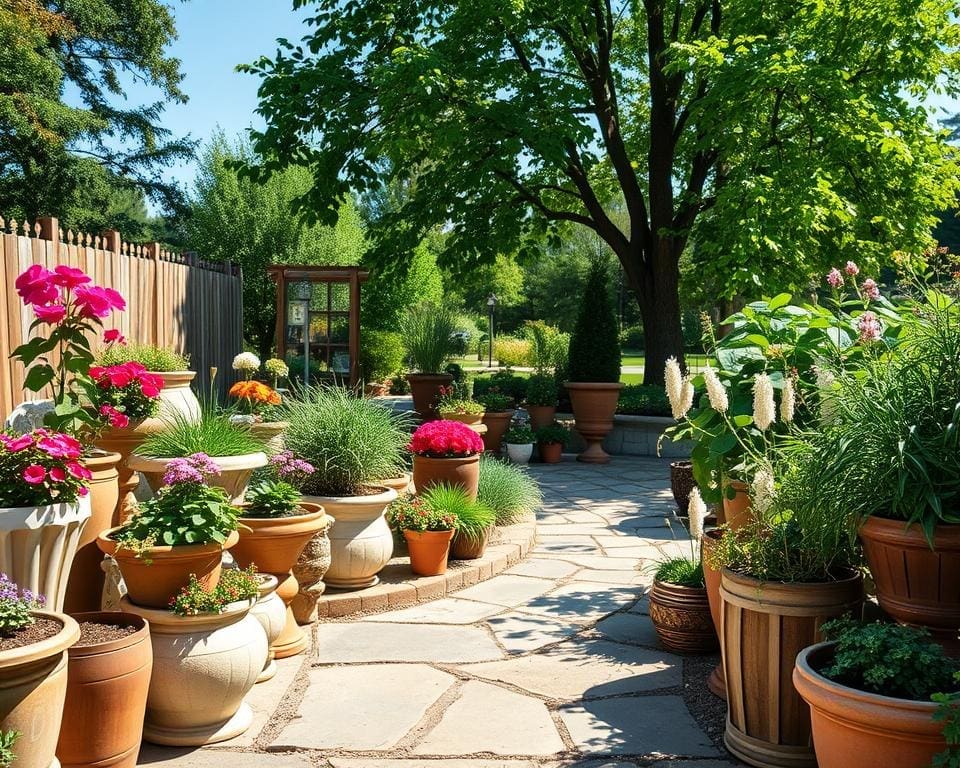

Choosing the right outdoor planters sets the foundation for a thriving garden, patio or balcony. The right container gives roots room to grow, ensures good drainage and helps plants resist stress from wind and cold. That means healthier plants, fewer repottings and a longer lifespan for your planters.
Think first about space and placement. Large outdoor planters are better for small trees and shrubs to avoid frequent repotting, while compact outdoor planters for balconies let you maximise greenery without overcrowding. Weight, drainage and wind exposure matter on terraces and balconies in the UK where frost and variable weather are common.
Material and style affect durability and maintenance. A specialist retailer such as Idealist Planters offers a wide choice of materials, bespoke sizes and clear product specifications so you can buy outdoor planters that suit your site and plants. You can buy outdoor planters from Idealist Planters with confidence, from simple tubs to premium outdoor planters on idealistplanters.co.uk, many of which are weather-tested for UK conditions.
This article will guide you through the key decisions: assessing space and plant needs, comparing materials for outdoor use, exploring style and design including modern concrete-effect and tall entrance planters, and practical buying considerations such as durability and trusted suppliers. Use these points to choose outdoor planters for gardens and patios that look good and perform well year after year.
Choosing the right outdoor planters for your space
Start by measuring the usable area on your balcony, patio or garden. Note fixed features such as railings, doors and drainage. Calculate the footprint each planter will need so you avoid cluttered walkways and blocked exits.
Think vertically as well as horizontally. For balconies, hanging baskets and railing planters free floor space. On patios, tiered arrangements and shelving create layers of planting. In gardens, mix beds with outdoor planters for gardens and patios to add structure and seasonal interest.
Check any building regulations or leasehold rules before you add planters to communal balconies or roof terraces. Some management companies restrict heavy or permanent fixtures for safety.
Match planter size to what you want to grow.
Small herbs and annuals do well in shallow, compact outdoor planters for balconies and small spaces. Perennials and shrubs need deeper, wider containers to support root spread. Trees and larger shrubs require large outdoor planters for trees and plants that hold substantial soil volume, often 40–100+ litres.
Under‑sizing leads to stressed growth, soil that dries quickly and more frequent repotting. Choose pots with enough depth for root depth and width for stability, especially for top-heavy subjects.
Consider weight and mobility before you commit.
Saturated soil can triple a planter’s weight. For terraces and balconies check loading limits for upper floors. Prefer lightweight materials like resin or fibreglass where mobility matters. Concrete‑effect and fibre cement styles look good but tend to be heavier.
Use wheeled plant caddies or risers to make maintenance and repositioning easier. Modular lightweight outdoor planters offer modern styling with less strain on surfaces.
Place planters with light and shelter in mind.
Map microclimates across your space. Sunny corners suit Mediterranean herbs and sun‑loving annuals. Shaded spots near walls or under eaves favour ferns and hostas. Sheltered corners reduce wind stress on tall plants.
Group plants with similar watering needs together. Mobile outdoor planters for patios and outdoor planters for terraces let you chase light or move specimens out of strong winds. Position large outdoor planters for trees and plants where they will not block views or create hazards.
Materials and durability: materials for outdoor planters and garden use
Choosing the right material shapes how your planting looks and performs. You must weigh appearance against practicality for UK gardens. Think about frost, rain and sun when you compare options.
Traditional materials: terracotta, ceramic and timber pros and cons
Terracotta and ceramic give timeless charm and breathability for roots. Pick frost-proof terracotta for exposed sites to avoid cracking in freeze-thaw cycles.
Timber, such as cedar or redwood, brings warmth and good insulation. Line timber boxes, elevate them off wet ground and treat with preservative to reduce decay.
Modern options: concrete effect, composite and fibre cement
If you want a contemporary look, modern outdoor planters in concrete effect deliver that stone-like feel without the solid weight of cast concrete. Fibre cement and high-quality composites give strength with easier handling.
True concrete is durable but heavy and can suffer over many freezes unless sealed. Choose concrete-effect alternatives to match the aesthetic while easing installation.
Lightweight materials: resin, fibreglass and plastic for easy handling
Lightweight outdoor planters with modern design are ideal where mobility matters, such as balconies and rooftops. Reinforced fibreglass and HDPE are often UV-stabilised and frost-resistant.
Some cheaper plastics may fade or become brittle. Buy from reputable suppliers, for example Idealist Planters, for premium resin and fibreglass that last longer and retain finish.
Weather resistance: frost, rain and UV considerations for UK climates
UK weather tests every container. Seek durable outdoor planters for all weather conditions and follow manufacturer guidance on winter care.
- Ensure good drainage with holes, gravel layers or breathable geotextile liners.
- Lift planters slightly off paving to prevent standing water at the base.
- Seal porous materials and choose frost-resistant variants for exposed spots.
Use liners where needed and check guarantees. Correct choice of materials for outdoor planters and garden use will protect plants and extend the life of your containers.
Style, design and functionality: types of outdoor planters in different styles
Choosing planters is as much about style as it is about function. Your choices set the tone for a terrace, entrance or balcony. Think about how modern lines, classical shapes and practical needs will work together in the space you have.
Modern outdoor planters in concrete effect suit minimalist settings with clean lines and muted tones. Pair these with architectural planting such as buxus, ornamental grasses or Phormium to create a structured backdrop. Pick lightweight concrete-effect composites when you need the look without the weight, so you can move planters or avoid overloading terraces.
Tall outdoor planters for entrances and terraces frame doorways and add vertical emphasis. Choose standards such as bay, clipped topiary or tall grasses to draw the eye. For windy sites, use heavier materials or add weight to the base to keep tall plantings stable. This approach works well for hospitality entrances where impact matters.
Square and rectangular outdoor planters give strong geometry for formal and contemporary layouts. Use angular planters to create rhythm along paths, define seating areas or form raised herb beds. Match depth to root systems and consider modular rectangular systems when you want continuous runs of planting along a terrace.
Large outdoor planters for trees and plants provide deep soil volumes and protect roots, making them ideal for long-term planting of small trees or large shrubs. These planters offer longevity and better moisture control for bigger specimens.
Outdoor planters for balconies and small spaces favour compact options that suit annuals, herbs and small shrubs. Mix sizes to achieve layered planting on a small patio. Use a selection of large outdoor planters for trees and plants alongside smaller pots to balance scale and create depth in tight areas.
Practical buying considerations and trusted suppliers
Before you buy outdoor planters check the exact external and internal dimensions, soil volume in litres and drainage provision. Note the empty and filled weight so you can assess doorway and balcony access; measure narrow entrances and stairways and consider modular or sectional options if access is limited. Look for frost resistance, UV stability, clear care instructions and any warranty or guarantee to avoid surprises in long-term use.
When choosing a supplier, favour specialist retailers that show full specifications and weight data. You can buy outdoor planters from Idealist Planters and inspect product details, request sample finishes and read customer reviews to confirm build quality. Reputable suppliers will offer installation advice, clear lead times for bespoke items and after-sales support should you need it.
Balance cost against longevity: premium resin, fibreglass and composite planters generally cost more up front but deliver lower maintenance and last longer than cheap plastic. Timber needs regular treatment while concrete offers near-permanent durability if the site can bear the weight. For durable outdoor planters for all weather conditions, choose materials tested for frost and UV and backed by a solid guarantee.
Plan delivery and installation carefully. Decide whether kerbside delivery is acceptable or if you need placement in position; very heavy planters may require a two-person lift or crane. Follow simple aftercare such as seasonal watering routines, winter protection and gentle replanting to prolong both planter and plant life. To compare options, browse premium outdoor planters on idealistplanters.co.uk where you can find lightweight outdoor planters with modern design, tall outdoor planters for entrances and terraces, and square and rectangular outdoor planters to match your space and planting plan. If you want to buy outdoor planters, match your choice to space, plant species, weight limits and exposure for the best long-term result.