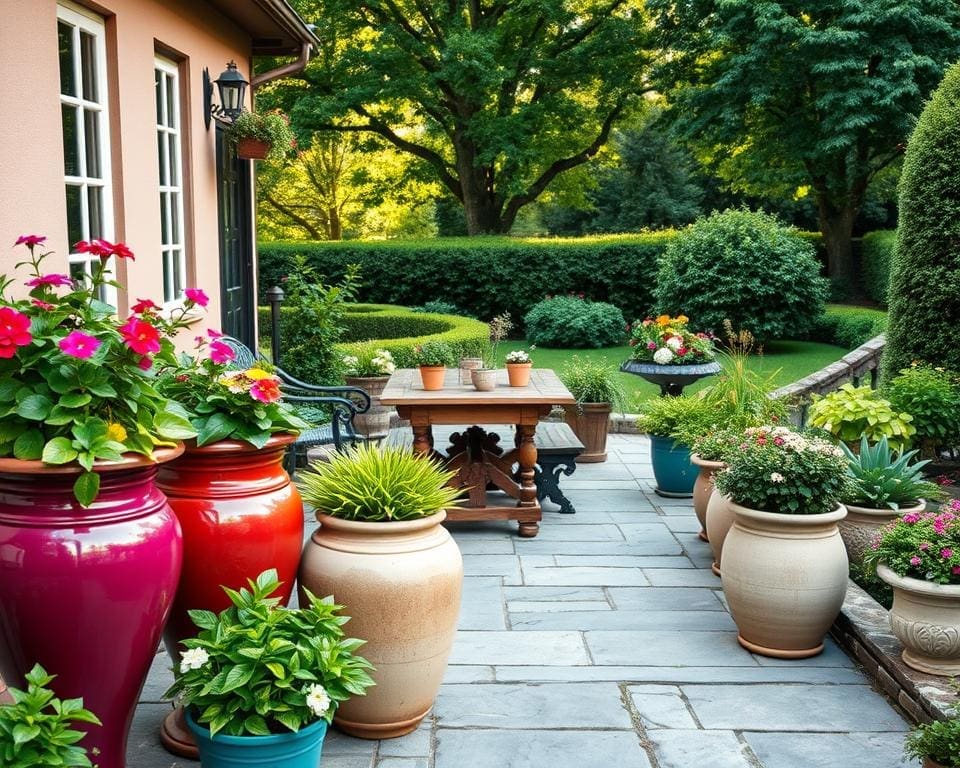

Outdoor planters can completely change the look and feel of a garden or patio. The right choice adds structure, highlights key areas and helps plants thrive in different conditions. From compact balconies to spacious terraces, each setting asks for a different approach in size, material and design.
By combining practical features with the right style, outdoor planters become more than decoration. They create balance, define spaces and support healthy plant growth throughout the seasons. Whether you prefer modern lines or classic shapes, selecting the right planter makes a lasting difference in how your outdoor space looks and functions.
Choosing outdoor planters: match style, size and location
Start by taking simple measurements and a quick survey of light and wind. Note balcony load limits, gate and door access, plus how much sun each area receives. These details guide your plant choices and help you avoid heavy or unsuitable pots on upper floors.
Assess your space: garden beds, patios, balconies and terraces
Measure floor area and clearances before you buy. For narrow balconies and small terraces pick narrow troughs or railing-mounted options to save floor space. In larger garden zones use beds and free-standing pots to create paths and focal points.
Think about movement around planters. Leave enough room for a wheelbarrow or a pushchair if you use the space regularly. Position taller items where they will not block views or cast unwanted shade.
Consider scale: small pots, large outdoor planters for trees and plants
Match planter size to a plant’s mature spread and root needs. Small pots, 10–20 cm, suit herbs and bedding. Medium planters, 30–50 cm, take shrubs and patio colour. For trees choose large outdoor planters for trees and plants with at least 60 cm depth and width to allow root development.
Remember large planters hold more moisture and nutrient-rich soil. You may need extra compost or a simple drip irrigation kit to keep soil healthy through dry spells.
Style match: modern outdoor planters in concrete effect, traditional terracotta and contemporary composites
Pick a visual language that complements your house. Modern outdoor planters in concrete effect pair well with glass and metal architecture. Terracotta and glazed ceramic suit period cottages and rustic beds.
Composites and resin mimic premium materials while keeping weight low. Use matched pairs at an entrance and mixed shapes along borders to create rhythm and interest.
Practical considerations: drainage, weight and mobility for outdoor use
Check drainage holes and use breathable liners or a gravel layer to avoid waterlogging. Heavy concrete pots are stable but may exceed balcony load limits. Choose lightweight options when mobility matters.
For easier movement add castors or plant caddies under large pots. Choose frost-resistant and UV-stable finishes if you need year-round performance in UK weather.
Outdoor planters for gardens and patios
Choosing the right planter changes how your garden feels and works. Think about sightlines, movement and plant needs before you buy. The right shapes and sizes can make a compact patio feel generous and a long border appear tidy.
When you buy outdoor planters, it helps to consider how they will frame seating areas, pathways or entrances. Larger planters can create structure and privacy, while smaller designs add flexibility and detail. By combining different heights and materials, you create depth and a more dynamic outdoor space that feels both organised and inviting.
Best planter shapes for garden layouts
Square and rectangular outdoor planters suit paths and narrow patios. They let you edge seating areas, build raised beds and form neat lines without wasted space.
Round pots give a softer look. Use them for specimen plants or to break up straight lines. Combine both types to add rhythm and interest in a mixed layout.
- Use modular rectangular planters to create quick screens.
- Place round pots where you want a focal point.
- Line steps with small square planters to guide the eye.
Tall outdoor planters for entrances and terraces
Tall outdoor planters for entrances and terraces add instant height and formality. A pair of tapered columns can frame a doorway while wider tall planters give better stability.
Choose fibreglass or composite tall planter styles to keep weight down on terraces. Place them on robust bases when you plant heavier shrubs or small trees.
Durable outdoor planters for all weather conditions
Seek frost-resistant mixes and UV-stable finishes so colours stay true and materials do not crack. Concrete-effect planters in lightweight composites deliver the stone look without the freeze-thaw risk.
Metal planters must be specified correctly. Corten steel offers a controlled patina if you allow for drainage and protect paving from rust stains.
Large outdoor planters for trees and plants
Large outdoor planters for trees and plants need depth and volume for healthy roots. Pick a wide base and a deep profile to prevent tipping and to give soil room to hold moisture.
Use a free-draining compost with grit and consider a drip irrigation kit for regular moisture. For heavy specimens, set planters on firm foundations and plan to re-pot as roots fill the container.
Materials for outdoor planters and garden use
Choosing the right material changes how your garden looks and performs. You want options that suit your style, resist UK weather and match your planting plans. This short guide helps you weigh the strengths and weaknesses of common choices so you can pick planters that last and look good.
Concrete-effect and stone finishes
Traditional concrete and natural stone feel substantial and timeless. They offer a textured, minimalist aesthetic that suits modern schemes. Plain concrete can be heavy, so consider fibre-reinforced concrete or polymer composites that mimic the look but reduce weight.
Those modern outdoor planters in concrete effect are often treated for frost resistance. They give the same visual impact with less strain on balconies and raised terraces. If you place them near paving, protect surfaces from scuffs during installation.
Resin, fibreglass and composites
Resin and fibreglass are the go-to choice when weight matters. They deliver the best mix of low weight, durability and design flexibility. You can buy lightweight outdoor planters with modern design in matt stone textures or bright glossy finishes.
These planters are UV-stable and weather-resistant, which suits balconies and rooftops where you cannot risk heavy loads. Many models include integrated drainage and are easy to move when you want to change your layout.
Metal and corten steel
Aluminium, galvanised steel and corten offer an industrial edge and strong longevity. Aluminium is lightweight and resists rust. Galvanised steel will need a protective coating to avoid corrosion in coastal or damp locations.
Metal and corten steel planters develop character over time. Corten forms a stable rust patina that protects the metal, but runoff can stain paving and nearby furniture. Line metal containers to reduce heat transfer and shield roots from extreme temperature changes.
Wood and terracotta
Wood brings warmth and fits cottage or rustic gardens. Cedar and oak last longer naturally; treated softwoods are cheaper but need regular oiling or preservative treatment to extend life. Use raised feet or plastic liners to keep timber off wet ground.
Terracotta and ceramics offer classic breathability for roots and rich colour. They are porous and can crack in severe frost. Choose frost-resistant glazed ceramics or composite alternatives if you want the look with improved durability. Internal liners will slow wear and keep soil away from vulnerable surfaces.
Buying and caring for outdoor planters: practical tips for long-term use
Before choosing outdoor planters, take time to measure your space and check access routes such as doors, stairs or narrow pathways. This helps you avoid issues when larger or heavier planters are delivered. It is also worth reviewing product specifications, including frost resistance, UV stability, drainage features and warranty, so you choose planters that perform well in UK conditions.
Material choice plays a key role in both appearance and usability. Lightweight planters suit balconies and smaller patios where flexibility matters, while heavier options provide stability in exposed outdoor areas. For larger plants or small trees, choose planters with sufficient depth and volume to support healthy root growth and long-term development.
Ongoing care keeps your planters in good condition and your plants thriving. Always ensure proper drainage by checking or adding holes and using a well-draining compost mix. During the growing season, regular feeding supports plant health, while in colder months it helps to move lightweight planters to sheltered areas or protect them from frost.
If you are looking for a reliable supplier, Idealist Planters offers a wide range of premium outdoor planters designed for durability and modern outdoor spaces. Their collections combine practical features with clean, contemporary designs, making it easier to find planters that suit both your garden layout and your lifestyle.
Find outdoor planters that fit your space and style
Choosing the right outdoor planters is about balancing design, function and durability. By considering size, material and placement, you create a cohesive outdoor space that supports plant growth and enhances the overall look of your garden or patio. With the right choices, planters become a lasting feature that adds structure, atmosphere and flexibility throughout the seasons.