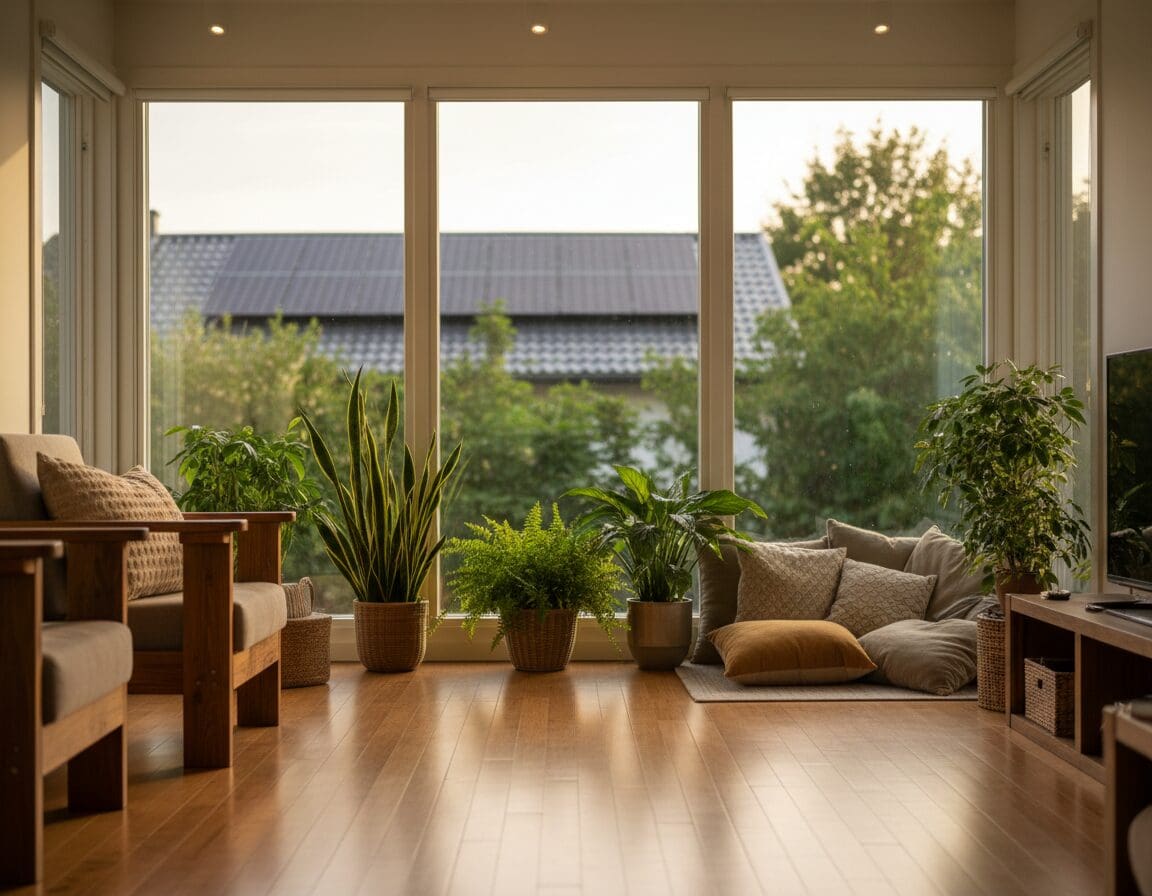

Sustainable home improvements matter now more than ever. With the UK Government Net Zero Strategy and rising energy costs, investing in eco-friendly home upgrades helps households cut emissions and save money.
Improving insulation, installing efficient boilers or heat pumps and adding solar panels are practical steps that make homes warmer and cheaper to run. Energy Performance Certificates (EPCs) increasingly shape the housing market, so green home improvements UK can also improve a property’s appeal.
Homeowners, landlords, tenants and social housing providers all stand to gain from energy-efficient homes. Older stock such as Victorian and interwar houses often has the greatest retrofit potential, offering large wins in comfort and reduced bills.
The benefits of sustainable home improvements include lower energy consumption, smaller bills, increased comfort and potential uplift in property value. Beyond finances, these upgrades help future-proof homes and contribute to a low-carbon future.
This article will outline the environmental, financial and wellbeing advantages of sustainable choices and suggest realistic routes to greener living in UK homes.
Sustainable home improvements: environmental and financial advantages
Upgrading a house for efficiency brings clear environmental wins and durable financial rewards. Simple measures such as loft insulation, improved glazing and efficient boilers cut household CO2 emissions. When homeowners aim to reduce carbon footprint home and lower energy consumption they also lift their Energy Performance Certificate (EPC) rating, which lowers both embodied and operational emissions over the life of the property.
Space and water heating account for the largest share of domestic energy use in the UK, according to BEIS domestic energy data. Targeted retrofit for older properties—loft and cavity insulation, solid wall insulation where suitable, and draught-proofing—often delivers the most immediate reductions in heat loss. Pairing insulation with renewable generation further reduces carbon output and grid demand.
Reduced carbon footprint and lower energy consumption
Insulation, improved glazing and efficient heating systems reduce the energy needed to keep a home warm. Solar PV and battery storage cut grid electricity use, while low-energy appliances trim demand for everyday tasks. Together these measures help to reduce carbon footprint home and achieve sustained lower energy consumption.
Long-term cost savings on energy and water bills
Proper insulation alone can save several hundred pounds a year on heating for many households. Replacing an old boiler with a modern condensing unit or installing a suitably sized heat pump reduces fuel use and delivers cost savings energy bills UK over time. Solar PV systems cut electricity purchases, improving payback as tariffs change.
Water-saving fittings such as low-flow taps, dual-flush WCs and rainwater harvesting cut water bills and sewer charges. Small, practical fixes add up and compound as energy prices shift, offering financial resilience against future volatility.
Increased property value and market appeal in the UK
Buyers increasingly value low running costs and strong EPC ratings. Homes with credible energy upgrades can be easier to sell and may command a price premium. Landlords face rising minimum standards for rentals, making energy improvements attractive for long-term lettings and for those who want to increase property value sustainable upgrades.
Sympathetic retrofit that preserves period character—timber windows with secondary glazing or discreet internal wall insulation—broadens appeal for buyers of older houses. Combining performance with heritage can improve marketability across urban and rural markets.
Eligibility for grants, incentives and green finance options
Several schemes support household retrofit, from the Energy Company Obligation (ECO) to local authority grant pilots aimed at low-income or vulnerable households. Homeowners should explore green grants UK and eco retrofit incentives that reduce upfront costs and improve project affordability.
Smart Export Guarantee payments reward exported solar PV generation. VAT reliefs sometimes apply to certain energy-saving materials and qualifying work. Lenders now offer green mortgages and retrofit loans that favour energy-efficient properties, creating more pathways to fund upgrades.
Check up-to-date national and local programmes before applying. Seek advice from reputable installers and look for Microgeneration Certification Scheme (MCS) accreditation when choosing suppliers.
Practical upgrades for eco-friendly living and improved comfort
Small changes can make a big difference to comfort, bills and the planet. Start with simple steps, then plan larger retrofit measures to secure lasting gains. Focus on the worst-performing parts of your home first to get the quickest wins.
Insulation and airtightness
Loft insulation, cavity wall insulation and floor insulation cut heat loss at source. Older stone or solid-brick homes benefit from internal or external solid wall insulation. Secondary glazing or high-performance double glazing improves thermal performance for older windows.
Good draught-proofing complements insulation by sealing gaps around doors, windows and skirtings. Keep ventilation in mind to avoid moisture build-up. Use accredited installers with TrustMark registration and follow the PAS 2035 framework for whole-house retrofit measures.
Assess moisture risks before work, prioritise roof, walls and windows, and expect reduced heat loss, fewer cold spots and lower condensation when upgrades are done correctly.
Efficient heating and cooling
Consider high-efficiency condensing boilers or biomass boilers where appropriate. Air-source and ground-source heat pumps are low-carbon options when paired with improved insulation and low-temperature emitters such as underfloor heating or larger radiators.
Upfront costs can be higher for heat pumps UK, and radiators may need upgrading to run at lower flow temperatures. Choose MCS-certified installers and explore government support schemes that can reduce expense. Smart thermostats and zoning help cut energy use while improving comfort.
Renewable energy and storage
Solar photovoltaic panels generate electricity for immediate use, export to the grid and long-term savings. Adding solar panels battery storage raises self-consumption, provides resilience in outages and pairs well with EV charging at home.
Check roof suitability, orientation and planning rules, especially for listed buildings. Use MCS-accredited installers, size inverters and batteries correctly, and factor in warranties and maintenance to protect your investment.
Water saving and gardens
Water-saving home measures such as low-flow taps, aerators, dual-flush toilets and efficient appliances cut bills and demand. Rainwater harvesting and greywater reuse can supply garden irrigation and toilet flushing, lowering mains use.
Sustainable landscaping UK reduces runoff and supports wildlife. Use permeable paving, rain gardens and native planting to manage surface water and lower maintenance needs. Consider food-growing spaces, green roofs or walls to add insulation and biodiversity.
- Start with low-cost actions: tap aerators and basic draught-proofing.
- Plan medium-to-high investment retrofit measures with clear payback expectations.
- Hire accredited professionals and follow recognised standards to protect fabric and health.
Health, wellbeing and community benefits of sustainable homes
Better-insulated, draught-free homes with controlled ventilation help reduce cold-related illnesses and damp that lead to mould. Public Health England and NHS guidance link cold housing to respiratory and cardiovascular problems, so measures that raise baseline temperatures and cut humidity deliver clear health benefits. The health benefits sustainable homes bring include fewer infections and better sleep, which in turn support mental wellbeing.
Balanced ventilation and low-emission materials improve indoor air quality by removing pollutants and allergens while limiting volatile organic compounds from paints and furnishings. Systems such as mechanical ventilation with heat recovery (MVHR) can be appropriate in airtight dwellings to maintain fresh air without heat loss. Wellbeing energy efficient homes also offer quieter, more stable environments that reduce stress and boost productivity for people working from home.
At neighbourhood level, coordinated retrofit schemes and community energy projects deliver tangible community benefits retrofit UK initiatives aim for. Upgrading social housing and creating solar co-operatives or local heat networks reduces local emissions, eases strain on energy grids and generates jobs in retrofit trades. The sustainable homes social impact includes lowered fuel poverty, stronger local economies and increased social cohesion through shared ownership of clean energy.
Domestic action reinforces national climate goals and lessens long-term pressure on the NHS by tackling cold, damp housing. By investing in individual improvements and joining community initiatives, households multiply positive outcomes for health, indoor air quality and local resilience. The combined result is healthier people, calmer homes and stronger communities across the UK.