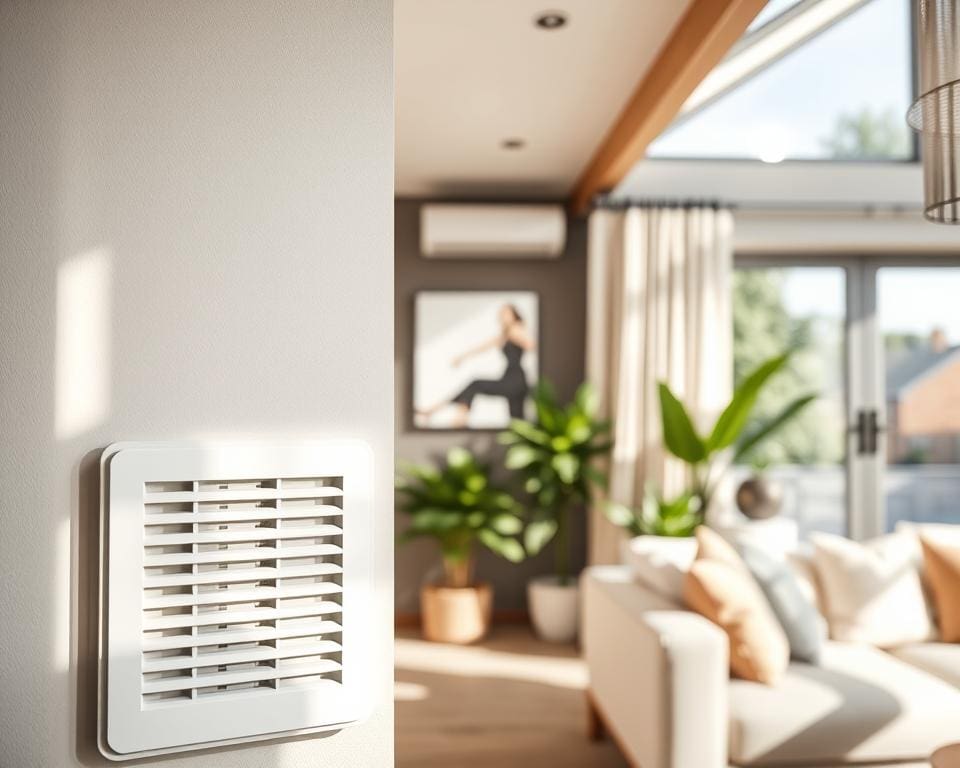

Choosing the right ventilation system is an investment in health, comfort and long‑term energy savings. For UK homeowners, landlords and self‑builders the decision affects indoor air quality, running costs and compliance with Part F of the Building Regulations.
Poor indoor air quality in UK homes often comes from high CO₂, VOCs from paints and furnishings, mould from excess humidity and particulates from cooking or nearby roads. These issues make ventilation system choice a practical priority, not just a technical detail.
Think about the balance between energy efficiency and fresh air. Systems such as MVHR vs extract fans offer different trade‑offs: MVHR can reclaim heat in well‑insulated homes, while extract solutions may suit older, leakier buildings.
This article will guide you through assessing IAQ needs, energy impacts, installation and maintenance realities, and how to follow ventilation guidance UK and pick accredited installers. Treat the choice as an opportunity to make your home healthier, more comfortable and more sustainable.
What should you consider when choosing a ventilation system?
Choosing the right ventilation starts with a clear indoor air quality assessment. Look beyond smell and comfort. Measure CO₂ levels, humidity and common pollutants to build a practical picture of need.
Assessing indoor air quality needs
Start by identifying likely sources of contamination. VOCs from paint, cleaning products and furnishings are common in UK homes. Particulate matter from cooking and wood burning raises risks for asthma and allergies.
Use simple tools such as CO₂ monitors and hygrometers. Sustained CO₂ levels above 1000 ppm point to inadequate ventilation. Humidity over 60% signals condensation and mould risk. Low-cost VOC sensors help track volatile emissions.
Occupancy and lifestyle matter. Large families, home working, frequent cooking or hobbies that use solvents increase ventilation demand. Sealed windows in winter mean mechanical systems often become essential.
Energy efficiency and running costs
Energy performance should guide your choice. Heat recovery ventilation benefits homes by recovering warmth while supplying fresh air. That reduces heat loss during cold months and improves comfort.
Compare running costs MVHR against simpler extractor fans. Higher efficiency systems repay their premium over time. Look for proven metrics and consider programmable controls to limit unnecessary ventilation.
Check brand reliability and warranty. ENERGY STAR or equivalent efficiency ratings and clear data on seasonal performance help predict long-term expenses.
Compatibility with building type and insulation
Assess airtightness impact when planning ventilation. Very airtight houses need balanced mechanical ventilation to avoid stale air and damp. Older, leakier dwellings may need different approaches.
For retrofit ventilation UK projects, consider ease of installation and disruption. Duct routes, space for units and access for maintenance all affect suitability. Split systems and decentralised units can suit period properties with minimal intrusion.
Size systems to the building and to occupant patterns. Correct sizing prevents over-ventilation that wastes energy and under-ventilation that harms health. For guidance on matching system type to space, read this practical guide at choosing the best air conditioner for your.
Practical installation and maintenance considerations for UK homes
Choosing a ventilation system for a UK home means balancing space, regulations and long‑term care. Early planning reduces disruption and keeps performance high. Think about where the unit and duct runs will sit before you buy, so installers can work efficiently and you avoid costly changes later.
Installation constraints and planning permission
Many homes can accommodate a ducted MVHR system, but MVHR ductwork space must be mapped out carefully. The central unit often fits in a loft, utility room or cupboard. Straight duct runs save energy and cut noise.
Compliance with Part F and Part L of Building Regulations is essential. Some external changes may trigger planning permission ventilation checks, especially for listed buildings and properties in conservation areas. Speak with local authority building control or a qualified installer to confirm requirements.
Solid floors, shallow lofts or awkward roof geometry can limit options. In such cases a decentralised or unitary system may suit better. Always allow access for servicing when locating the unit and ductwork.
Maintenance, filter replacement and service intervals
Regular maintenance keeps indoor air healthy and systems efficient. Check manufacturer guidance for filter lifespan MVHR and replace filters on schedule. Typical filter life varies with pollution levels and occupancy.
Plan service intervals ventilation into your household calendar. Annual or biannual checks by a trained engineer will spot worn belts, blocked ducts and failing components before they cause problems. Simple user tasks, such as vacuuming grilles, also extend system life.
Noise levels and occupant comfort
Ventilation noise levels affect how comfortable a home feels. Installers can reduce sound by using acoustic ducting, longer straight runs and anti‑vibration mounts. Placing the unit away from bedrooms improves sleep quality.
Design choices that balance airflow and quiet operation create a welcoming indoor environment. Discuss noise ratings and in‑home testing with your installer to match expectations to reality.
Choosing the right system type and additional features
Deciding between system types hinges on fabric performance, budget and long‑term running costs. Mechanical ventilation with heat recovery (MVHR) offers balanced supply and extract, high heat recovery and filtration that cuts pollen and particulates. Its MVHR advantages limitations include higher upfront cost and the need for careful design, space for ducts and regular filter changes to avoid performance loss.
For older, leaky homes or tight budgets, extract-only ventilation and passive systems can be sensible. Extract-only ventilation is simpler to install and less costly, and mechanical extract ventilation (MEV) improves wet‑room extraction. The trade‑off is no heat recovery, greater heat loss and variable supply air in passive schemes, which can leave homes under-ventilated in some conditions.
Decentralised MVHR units and positive input ventilation (PIV) suit many retrofit situations. Decentralised systems reduce ductwork and give room‑by‑room control, while PIV pressurises a house to displace stale air. Both can be less effective at reclaiming heat than a full MVHR system, so consider demand‑controlled ventilation, CO₂ sensors ventilation and zoning controls to match airflow to occupancy and reduce wasted heat.
Choose reputable manufacturers available in the UK, such as Paul, Nuaire, Zehnder or Vent‑Axia, and check ErP, SFP and thermal efficiency data. Work with accredited ventilation installers UK to secure correct design, commissioning and ongoing support. Finally, review ventilation warranty considerations and after‑sales service so your investment delivers healthy air and predictable operating costs for years to come.