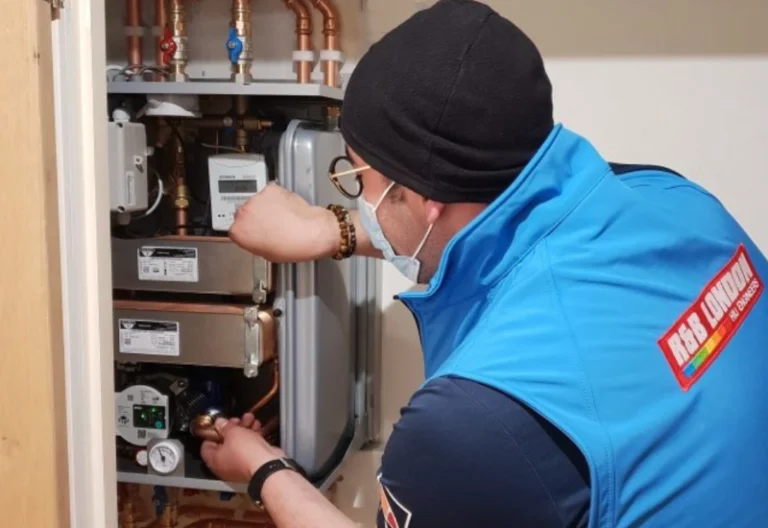
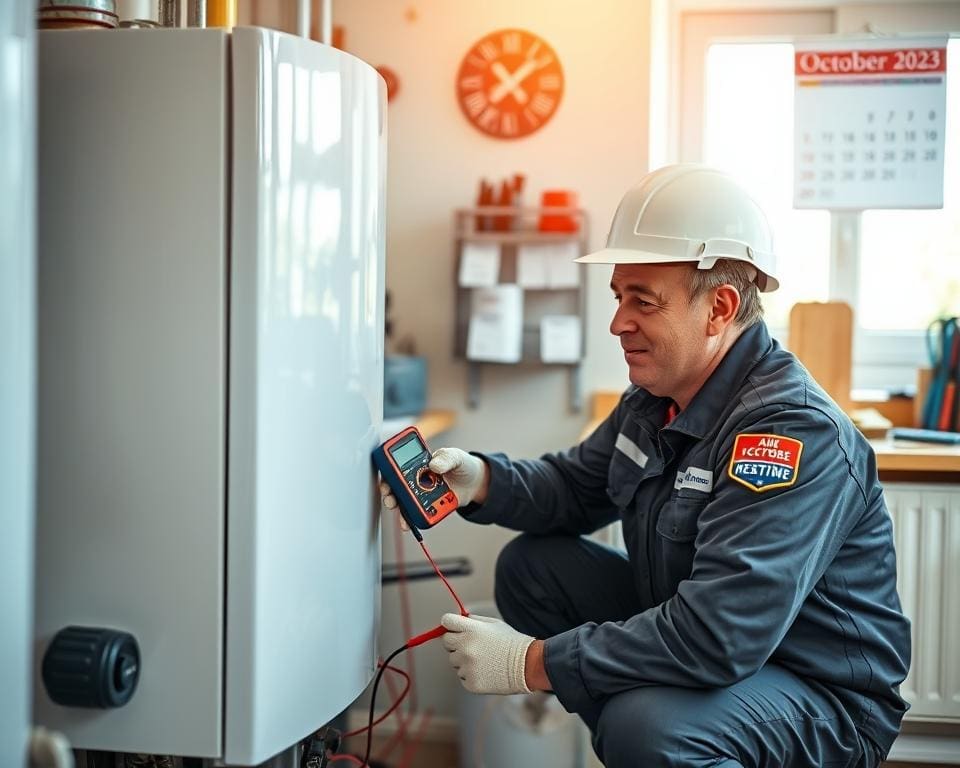
Choosing a certified heating engineer for boiler servicing is an investment in home safety, reliability and long-term savings. For UK homeowners and landlords, the question is simple: do you want predictable bills, a valid warranty and fewer emergency call-outs, or the uncertainty that comes with DIY or unqualified work?
Boilers remain the primary source of central heating across the United Kingdom, and annual checks are recommended by manufacturers such as Worcester Bosch, Vaillant and Baxi. A Gas Safe engineer boiler service or OFTEC servicing for oil systems meets manufacturer schedules and national guidance, helping to keep performance steady and warranties intact.
Neglect can mean higher fuel bills, a shortened appliance lifespan and the very serious risk of carbon monoxide leakage. By contrast, a certified heating engineer UK brings trained inspection steps, correct parts and documented work that insurers and manufacturers recognise.
This article will show the clear boiler servicing benefits you can expect: improved energy efficiency, fewer breakdowns and real peace of mind. Think of certified servicing not as an expense but as protection for your home, your family and your budget.
Why use a certified heating engineer for boiler servicing?
Choosing a certified heating engineer gives clarity and confidence when you arrange a boiler service. The decision touches on cost, trustworthiness and necessity. Homeowners weigh short-term savings against long-term responsibility, risk mitigation and lasting value.
Understanding the primary question
Many people wonder whether an annual check is needed or whether a quick, cheap repair will do. Routine maintenance such as an annual service differs from complex work like repairs or full installations. The latter usually requires a qualified professional by law.
Manufacturers and insurers frequently state that annual servicing preserves warranties and keeps insurance valid. That makes the choice about a service less about preference and more about protecting your home and finances.
What “certified” means in the UK context
In Great Britain, the Gas Safe Register is the legal register for engineers who work on gas appliances. Only Gas Safe-registered engineers may legally service or install gas boilers. For oil-fired systems, OFTEC certification shows the engineer has specialist qualifications and registration.
Engineers often hold City & Guilds or NVQ qualifications and may appear on manufacturer schemes such as Worcester Bosch Accredited Installers, Vaillant Advance or Baxi installers. Chartered Institution of Building Services Engineers guidance supports best practice across the sector.
Visible proof of certification helps you check credentials. Look for a Gas Safe ID card, an OFTEC registration number, company logos and an entry on the relevant public register.
How certification affects safety, legality and insurance cover
Safety improves when a trained engineer inspects combustion, flues, ventilation and seals. Certified professionals use calibrated testing equipment to spot carbon monoxide risks, gas leaks and unsafe combustion. That reduces the chance of serious harm in the home.
Legally, carrying out gas work without Gas Safe registration is an offence that can lead to prosecution. Landlords face duties under the Gas Safety (Installation and Use) Regulations 1998 to use competent persons for appliance checks.
Insurance and warranties often require work to be completed by a certified engineer. Failure to use accredited help can void boiler service legality and risk refusal of claims. Choosing insured boiler servicing protects you if something goes wrong.
- Check the Gas Safe Register entry or OFTEC certification before booking.
- Ask for proof of manufacturer scheme membership or City & Guilds qualifications.
- Confirm the engineer carries public liability insurance for insured boiler servicing.
Health and safety benefits of using a certified engineer
Entrusting a certified heating engineer brings clear health and safety advantages. A trained professional spots risks that most homeowners miss and follows a boiler servicing checklist to ensure every safety item is covered. Regular attention reduces the chance of emergencies and gives householders confidence in their heating system.
Reducing carbon monoxide and gas leak risks
Carbon monoxide is odourless and colourless. Exposure causes headache, nausea and dizziness and can be fatal at high concentrations. That makes early detection vital.
A Gas Safe boiler inspection includes checks that target carbon monoxide boiler risk. The engineer inspects flue integrity, examines the burner and heat exchanger, and assesses ventilation and chimney performance.
Calibrated electronic analysers measure CO levels during a boiler safety check. Finding combustion inefficiency or leaks early prevents CO exposure and cuts emergency call-outs.
Compliance with UK safety regulations and manufacturer instructions
Landlords must arrange an annual gas safety check (CP12) performed by a Gas Safe engineer and keep the record. Certified engineers know this duty and provide the necessary documentation.
Following manufacturer service intervals and technical bulletins from Worcester Bosch, Vaillant or Baxi helps maintain warranties and appliance performance. A proper service gives a written report and service record for warranty, insurance and resale purposes.
Qualitative inspection steps a certified engineer performs
- Visual inspection of the appliance and surrounding pipework.
- Flue, ventilation and spillage checks to confirm safe combustion.
- Burner assessment and combustion analysis using a gas analyser.
- Pressure and thermostatic control tests.
- Examination of seals, condensate traps on combi boilers and chimney condition.
- Cleaning key components and replacing worn parts where necessary.
- Oil-fired checks such as tank and filter inspection for OFTEC engineers.
- Provision of a detailed service report that follows a boiler servicing checklist.
Engineers use calibrated instruments and follow published commissioning and service procedures. Their diagnostic experience uncovers subtle signs of deterioration that a layperson is unlikely to spot, which reduces carbon monoxide boiler risk and keeps the installation compliant after a Gas Safe boiler inspection.
Performance, efficiency and cost advantages from professional servicing
Regular professional attention transforms how a boiler performs. A skilled engineer tunes combustion, cleans burners and clears heat exchangers so the system runs near factory settings. That careful work helps to reduce fuel use and can reduce fuel bills boiler for many households.
Improved energy efficiency
Servicing optimises heat transfer and control settings. Correct gas pressure and precise thermostat calibration stop overheating and wasted energy. Manufacturer guidance from Vaillant, Worcester Bosch and Baxi and independent studies show that routine maintenance cuts energy use and emissions, proving the tangible benefit of a boiler efficiency service.
Prolonging boiler lifespan
Preventive checks spot corrosion, scale and degraded seals before they become major faults. Early intervention keeps pumps, valves and expansion vessels working with less stress and helps to prolong boiler lifespan. Simple fixes such as clearing blocked condensate drains and replacing worn components avoid emergency breakdowns and delay full system replacement.
Value for money compared with DIY or unqualified work
- Full safety check and combustion performance test
- Component clean and visual inspection
- Controls and thermostat calibration
- Leak, pressure and condensate checks
- Written report with clear advice
DIY attempts rarely include calibrated testing. Unqualified work risks misdiagnosis, damage and voided warranties. For landlords and homeowners, accurate service records add measurable resale and rental value. A modest annual fee for a certified engineer often outweighs the cost of emergency repairs, higher energy bills and earlier replacement, underlining the professional boiler service value.
Choosing the right certified heating engineer in the UK
Start by verifying registration: check the engineer’s Gas Safe ID or OFTEC number and confirm details on the relevant public register. Make sure the registration covers the appliance type you have, whether gas, oil or LPG, so you confidently choose Gas Safe engineer or find OFTEC engineer who is authorised for your boiler.
Look at qualifications and experience next. City & Guilds and NVQ certificates matter, as do manufacturer-specific courses from Worcester Bosch, Vaillant or Baxi. Ask how many years they have worked on your boiler brand and request examples of recent work and a written service checklist for a certified boiler service near me.
Confirm insurance, guarantees and transparent pricing. A reputable engineer carries public liability insurance, offers parts and labour warranties, and provides an itemised quote or written report after the job. Use Trustpilot and Google Reviews and local recommendations to identify the best heating engineer UK for your needs.
Before you book, request proof of certification and insurance and ask targeted questions about service intervals, tests performed and whether replacement parts are genuine manufacturer components. Landlords should ensure the engineer can issue CP12 Gas Safety Certificates and schedule timely inspections. Treat certified servicing as protection for family wellbeing, property value and reduced carbon output — check your boiler history, verify a local engineer today and book an annual service to turn peace of mind into real savings and safety.