
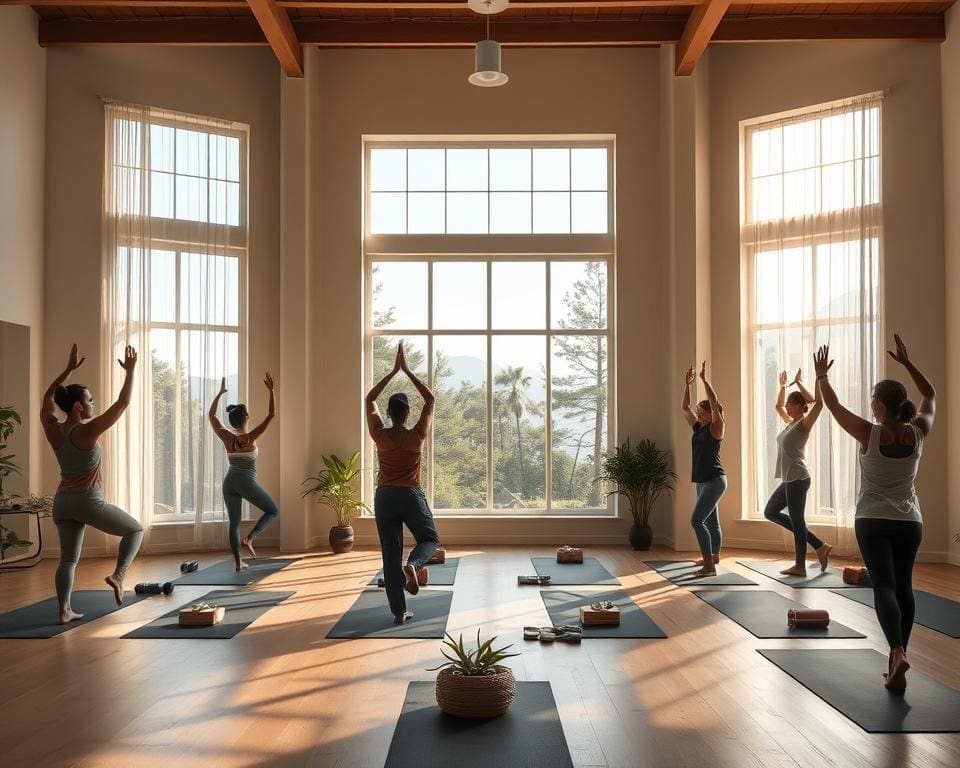
Yoga is a centuries-old mind‑body practice that blends physical postures, breath control and meditation. From gentle Hatha and Yin to dynamic Vinyasa and Ashtanga, yoga adapts to different bodies, goals and energy levels.
For many in the UK, yoga wellbeing means more than flexibility. It links physical fitness with mental calm, emotional regulation and social connection. That blend explains why is yoga part of a balanced lifestyle for so many people.
Clinical studies and systematic reviews in journals such as The Lancet Psychiatry and Journal of Alternative and Complementary Medicine report benefits for stress reduction, chronic pain and mood. Results vary by style, frequency and participant needs, so evidence is cautiously positive rather than miraculous.
This article treats yoga as an accessible wellbeing product to review. We will assess effectiveness, usability, cost and how yoga pairs with other products such as mats, apps and studio classes. That practical, product‑review angle helps you judge lifestyle and yoga choices.
Targeted at UK readers — busy professionals, parents, retirees and those recovering from injury — the piece promises clear takeaways: how to begin, what to expect and which equipment or services support practice. Expect guidance on yoga benefits UK and tips for yoga for balance.
The tone is inspirational yet practical. Try a local studio class, follow a reputable app like Yogaia or Down Dog, or consult a physiotherapist if you have health concerns. These steps make yoga wellbeing a realistic part of everyday life.
Why is yoga part of a balanced lifestyle?
Yoga strengthens three core areas of life: the body, the mind and emotional health. Short practices can boost mobility and posture, ease tension and sharpen focus. A steady routine makes yoga daily living feel practical rather than aspirational.
Physical benefits that support daily living
Regular mat work improves joint range of motion and muscle length. Sequences such as Sun Salutations and targeted stretches help with bending, reaching and carrying shopping bags. Those gains make household chores and commuting easier.
Weight-bearing postures like plank and warrior builds useful strength. Balance poses such as tree and eagle reduce fall risk for older adults. NHS guidance urges strength and balance activity; many physiotherapists in the UK include adapted yoga moves in rehab plans.
Yoga can ease chronic low back pain and osteoarthritis when practised safely. Vigorous styles raise heart rate and breathwork boosts respiratory control, supporting stamina for daily tasks and active hobbies.
Mental health and stress reduction
Slow breathing and restorative poses switch on the relaxation response and help lower cortisol in some studies. That makes yoga for stress a realistic tool on busy workdays.
Research shows yoga can reduce symptoms of anxiety and mild-to-moderate depression when combined with breathwork and meditation. It works alongside clinical care rather than replacing it.
Mindful sequences improve attention and working memory. Those gains help with concentration at work, studying and home management.
Emotional balance and self-awareness
Yoga cultivates interoception — the ability to sense internal signals — which helps people spot emotion early and regulate it before it escalates. That skill supports calmer responses in conflict and pressure.
Gentle practices such as yin and restorative sessions promote non-judgemental awareness and self-compassion. These emotional benefits of yoga can reduce self-criticism and strengthen self-esteem.
Group classes build community, giving a sense of belonging that bolsters resilience. For many, mindfulness and yoga together create a reflective framework that supports meaning and purpose in daily life.
Practical ways to integrate yoga into a balanced routine
Start small and be realistic. To integrate yoga into routine, aim for short, consistent sessions rather than rare long practices. Ten to fifteen minutes of breathwork and gentle stretching each morning can anchor the day without overwhelming your schedule.
Design a weekly rhythm that suits energy levels and commitments. A weekly yoga plan might include three focused sessions of twenty to forty-five minutes, with two shorter restorative or breathing practices. This mix supports progress and prevents burnout.
Build variety into that plan. Combine gentle yin or restorative days with active vinyasa or power sessions. Slot meditation or pranayama on low-energy days to keep momentum while aiding recovery and focus.
Set clear, modest goals and track them. Use SMART targets and a simple journal or habit app to note consistency and small wins. Tracking helps turn intention into habit and makes a sustainable yoga practice feel achievable.
Pair yoga with other fitness activities to enhance resilience and performance. Runners, cyclists and gym-goers benefit from yoga and fitness crossover: improved mobility, better posture and lower injury risk. Use yoga for warm-ups, cooldowns and mobility work.
Weave short practices into daily life. Try brief breathwork during a lunch break, a restorative pose after travel, or a two-minute grounding pause while caring for children. Small moments add up and keep practice relevant.
Use digital options to stay flexible. UK-accessible apps and livestreams from local studios allow hybrid routines. Explore platforms that fit your budget and timetable to support both in-person and online access.
Choose kit that makes practice comfortable and safe. Invest in a non-slip mat from trusted UK retailers such as Liforme, Manduka or Yogamatters. Keep blocks, straps and a bolster handy to adapt poses and protect joints.
Create a calm space at home. A dedicated corner with good ventilation, soft lighting and minimal clutter invites regular use. Plants and a stored yoga mat act as visual cues to maintain a sustainable yoga practice.
Pick classes and teachers carefully. Look for instructors accredited by the British Wheel of Yoga or Yoga Alliance and read class descriptions to match level and style. Small class sizes and clear hygiene measures help you feel confident when returning to studios.
Adapt practice for accessibility. Seek chair-based classes, pregnancy offerings and restorative sessions for older adults or those rehabbing injuries. Community centres and NHS wellbeing schemes often list low-cost options.
Prioritise safety and progression. Start with beginner classes or a one-to-one with a qualified teacher for personalised adjustments. Consult a GP or physiotherapist if you have medical concerns before increasing intensity.
Keep cost and time in mind when choosing how to practise. Free beginner videos, pay-as-you-go studio drops and subscription services all have a place. Mix formats to suit your budget and to maintain long-term engagement.
How yoga complements wellbeing products and services
Yoga acts as a practical companion to many wellbeing purchases. Wearable devices such as Fitbit, Apple Watch and Garmin track heart rate variability and sleep. Used alongside yoga, these trackers help you assess reductions in stress and gains in recovery rather than relying on gadget metrics alone.
Apps that sync with wearables can log sessions and guide progress for those who like numbers. Subscriptions like Down Dog and Gaia, and studio software used by British Wheel of Yoga–accredited teachers, create a useful bridge between classes and quantified insight. This blend suits people choosing between studio membership and online plans.
After a vigorous class, tools such as foam rollers, Theragun massage devices and compression wear support muscle recovery. Gentle restorative practice, however, remains a powerful recovery method and can be used instead of or alongside these products depending on need. For evening routines, weighted blankets, blackout curtains and sleep apps pair well with restorative sequences to improve sleep quality.
Yoga also complements supplements and clinical care. It can enhance mindfulness in counselling, CBT and psychiatric treatment, but should not replace prescribed medical care. When considering nutrition, yoga supports mindful eating; evidence-based supplements such as vitamin D in winter and omega-3s may be helpful on professional advice. For consumers weighing options, a cost-benefit view of drop-in classes, monthly app fees and one-to-one sessions helps with informed choices. Small, steady steps—trial classes or short-term subscriptions—deliver the most lasting benefits.