
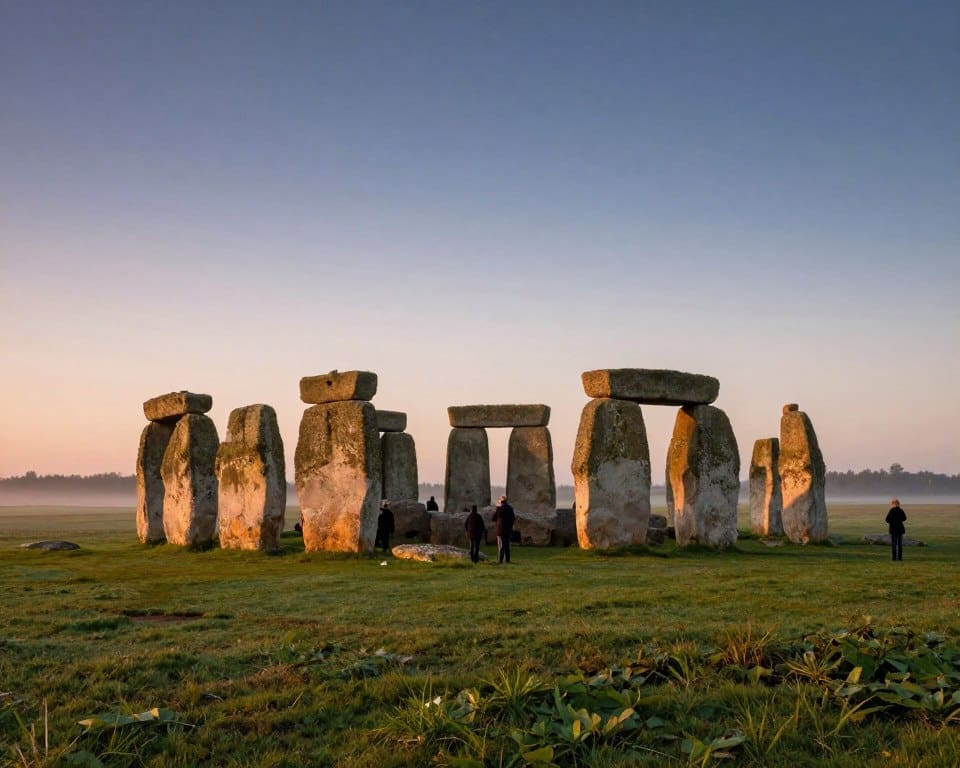
Stonehenge is one of the most recognisable prehistoric monuments in the world. Nestled on Salisbury Plain in Wiltshire, it is managed by English Heritage and its surrounding landscape is protected by the National Trust.
This short guide explains why Stonehenge is a must-see destination in England. It sets out the cultural, historical and experiential reasons to visit Stonehenge, mixing clear facts with visitor impressions and practical guidance.
Inscribed as a UNESCO World Heritage site in 1986 as part of “Stonehenge, Avebury and Associated Sites”, Stonehenge importance is recognised globally. That status alone makes it a Stonehenge must-see for anyone interested in ancient history and heritage.
Accessibility adds to its appeal. Close to Salisbury and within reach of London by road and rail, many domestic and international travellers choose to visit Stonehenge as a practical day trip from major UK cities.
Visiting Stonehenge offers a sense of wonder and a connection with deep time. For many, the encounter with these stones is both educational and emotionally resonant, an emblem of iconic British heritage.
Ahead, this article will give an overview of Stonehenge’s significance and first impressions, explore its history and mysteries, offer practical planning and accessibility advice, and suggest nearby experiences that make a trip more than just viewing stones.
Why is Stonehenge a must-see destination in England?
Stonehenge stands as one of the most powerful symbols of Britain’s ancient past. Constructed in phases between c. 3000–2000 BCE, the site features sarsen and bluestone megaliths set in a circular plan with lintelled trilithons. Its scale and age give weight to ongoing study into monument building, ritual use and prehistoric landscape planning.
Overview of the monument’s importance
Archaeologists view Stonehenge through multiple lenses: a burial place, a ceremonial centre and a possible astronomical marker aligned with solstices and lunar cycles. Finds displayed at the visitor centre, reconstructed Neolithic houses and curated exhibits help place these theories in context for modern audiences.
The monument’s global recognition means scholars, spiritual visitors and tourists travel from around the world to see it. The phrase Stonehenge significance captures the mix of scientific, cultural and emotional value that the site holds for many people.
Immediate impressions for first-time visitors
Approaching across the chalk plain, the stones emerge in stages. Fields open, the skyline shifts and the first sight often prompts an intake of breath. Many describe Stonehenge first impressions as awe-inspiring, contemplative or quietly humbling.
Light and weather alter how the stones read. Dawn and dusk create dramatic silhouettes. Wind across the open plain changes the feel of space. Most visitors view the circle from a designated path within the enclosure, though special access events allow closer contact at specific times of year.
Photographs capture shape and form, but presence reveals texture and scale in ways images rarely convey.
How the site reflects national identity
Stonehenge functions as a touchstone for British heritage Stonehenge appears in school curricula, television documentaries and guidebooks as a shorthand for deep time in Britain. It links contemporary society to prehistoric people who shaped the landscape.
The site supports a layered cultural life. Archaeologists, neo-pagans, artists and heritage professionals find meaning there. This plurality forms part of Stonehenge cultural identity, a shared resource that balances research, ritual and tourism.
Ongoing conservation, community engagement and managed access show how the UK protects its past while allowing public benefit. English Heritage’s stewardship keeps the stones central to national storytelling and to a living conversation about care for ancient places.
History and mysteries that captivate visitors
Stonehenge draws visitors with a blend of deep time and living mystery. Its long timeline and enigmatic presence invite curiosity about Stonehenge origins and the people who shaped the landscape.
Origins and construction theories
Early earthworks date to about 3100 BCE, when a circular ditch and bank marked the first phase. The main stone phases began around 2500 BCE, when the sarsen circle and trilithons took shape.
Bluestones are thought to have come from the Preseli Hills in Pembrokeshire. Scholars debate how they moved such heavy material. Suggested methods include hauling on timber rollers, sledges and rope, levering with wooden frames, and building earthen ramps to lift lintels.
Some researchers propose water transport for the bluestones. Other teams favour overland methods supported by experimental archaeology. These Stonehenge construction theories reflect craftsmanship and communal effort.
Interpretations range from an astronomical observatory with midsummer sunrise and midwinter sunset alignments to a ceremonial centre for ancestor veneration. Some suggest a healing role for the bluestones. A strong view frames the monument as a unifying social project that expressed Neolithic community organisation.
Archaeological discoveries and ongoing research
Excavations have uncovered cremation burials, polished stone tools and Grooved Ware pottery. Human remains point to funerary use. Radiocarbon dating has refined the sequence of building phases.
Large projects such as the Stonehenge Riverside Project and work by English Heritage revealed nearby monuments like cursus features, burial mounds and the Durrington Walls settlement.
Modern tools have changed the picture. LIDAR and ground-penetrating radar map hidden features. DNA analysis sheds light on population movement. Sediment studies rebuild past environments. These advances in Stonehenge archaeology show the site as part of a wide ceremonial landscape.
Legends, rituals and cultural interpretations
Medieval tales credited Merlin or giants with raising the stones. From the 17th to 19th centuries, antiquarians linked the site to Druids. That idea has lost scholarly support, yet it shaped popular imagination.
Contemporary spiritual groups hold solstice gatherings and rituals at Stonehenge. Neo-pagan and Druid events coexist with conservation rules and managed access, creating a careful balance between practice and protection.
Stonehenge legends thrive in books, film and music, where the monument serves as a symbol of mystery and ancient power. Myth and evidence interact, with archaeology testing and refining stories while public fascination keeps them alive.
Planning your visit: practical tips and accessibility
A little preparation makes visiting Stonehenge more rewarding. Timed entry and clear information at the visitor centre help you savour the stones and the surrounding landscape.
Best times to visit for fewer crowds and special events
Weekdays outside school holidays, and the quieter months of autumn and winter, offer a calmer experience. Mornings soon after opening or late afternoons bring softer light and fewer visitors. Keep in mind shorter daylight in winter when planning a sunrise visit.
The summer solstice and winter solstice create an unforgettable atmosphere. These events attract large gatherings and limited facilities. Public access to the stones is managed, and solstice access is sometimes permitted under licence. Expect crowds and plan ahead if you aim to be part of the celebration.
Ticketing, guided tours and visitor centre facilities
Book Stonehenge tickets in advance through English Heritage to secure your preferred slot. Timed tickets control flows and reduce queuing. Options include single-site admission, combined tours with nearby attractions, and benefits for English Heritage members.
The visitor centre displays original finds and a reconstruction of a Neolithic house. Audio guides, a café, a shop and education spaces add depth before you reach the stones. Guided tours run by English Heritage and specialist independent guides cover archaeology and landscape history. Some specialist tours offer limited access to the stone circle for small groups.
On-site amenities include restrooms, parking for cars and coaches, and electric vehicle charging where available. Picnic areas on the wider site offer space to relax between activities.
Getting there: transport options from major UK cities
By car, Stonehenge sits close to the A303, roughly two hours from London. Trains from London Waterloo to Salisbury take about 1.5–2 hours, followed by a short bus or taxi ride. Organised coach tours run from London and other cities.
From Bristol, Bath and the West Country, driving times range from 45 to 90 minutes. Rail connections via Salisbury or coach services are practical alternatives. Visitors from the Midlands and the North can travel by rail to Salisbury or nearby stations, or drive via the M3/M4 and A303 as part of a wider itinerary.
Stonehenge’s proximity to Salisbury Cathedral and other attractions makes combined-day visits easy to arrange.
Accessibility information and family-friendly features
Stonehenge accessibility includes step-free routes from the visitor centre to viewing paths and accessible parking bays. Mobility vehicle hire is available on site but should be booked ahead. Most facilities are designed for wheelchair users.
The landscape is open grassland and can become muddy. Wear appropriate footwear. Pushchairs and buggies may be difficult on uneven ground nearer the stones.
Families will find interactive exhibits for children, hands-on learning sessions at selected times, family ticket options and picnic spaces. Bring layers, snacks and water for little ones. Contact English Heritage in advance to discuss specific access needs or to arrange specialist assistance.
Experiences around Stonehenge: more than just the stones
The wider landscape around Stonehenge unfolds a network of prehistoric sites that reward exploration. Avebury and Stonehenge sit within the same World Heritage Site, and nearby Silbury Hill and West Kennet Long Barrow add depth to the story. Walking the Stonehenge Landscape Trail or the Avon valley routes reveals earthworks and biodiversity that make Stonehenge experiences far richer than a single viewpoint.
Visitors can blend town and tomb in a full-day cultural itinerary by adding Salisbury to their plans. Salisbury attractions include the cathedral with its 13th-century spire and the original Magna Carta display, riverside walks, and a lively historic centre with independent shops and eateries. Local cafés, pubs and restaurants in Amesbury and Salisbury serve seasonal produce, helping to turn things to do near Stonehenge into a satisfying day out.
Guided Stonehenge tours and specialist archaeological walks bring the landscape alive. English Heritage experts and local guides explain burial mounds, ceremonial earthworks and Neolithic craft demonstrations at the visitor centre. Seasonal events and re-enactments offer hands-on interpretation, while sunrise and sunset photography workshops, painting sessions and guided mindfulness provide quieter ways to connect with the site.
Accommodation choices range from cosy country pubs with rooms and B&Bs in Salisbury to luxury hotels and self-catering cottages in the countryside. Book accommodation and Stonehenge tours well in advance during peak months, and consider combining Avebury and Stonehenge with other regional attractions for a multi-day itinerary. Seeing the stones within their landscape and visiting neighbouring monuments and museums deepens interpretation and turns a visit into a memorable journey through Britain’s deep past.