Minimalist beauty has moved from niche trend to mainstream habit in the United Kingdom. As a cultural reaction against excess consumerism and fast beauty cycles, people increasingly choose thoughtful purchases over impulse buys. UK shoppers report spending more on high‑quality essentials and less on single‑use or novelty cosmetics, a clear sign of beauty routine simplification.
Social movements such as decluttering and slow living, amplified on Instagram and TikTok, have normalised pared‑back routines. These platforms showcase pared‑down bathroom cabinets and “less is more” regimens, which help explain why minimalism and skincare now overlap so visibly in daily life. The result is a shift in attitudes: consumers favour mindful consumption and products that do more with less.
Psychologically, minimalism reduces decision fatigue for time‑poor urban professionals. Fewer choices in the morning can lower stress, create calmer routines and support a clearer self‑image. Many people say they feel more authentic and intentional when they adopt a smaller, well‑chosen set of products for self‑care.
Market signals confirm the change. Brands such as The Ordinary and Glossier and retailers like Cult Beauty have driven the growth of “skinimalism” with multi‑use formulas and curated edits. The industry response—parred‑down ranges, refillable packaging and hybrid items like tinted moisturisers—shows that minimalism is both a consumer preference and a commercial strategy supporting sustainable beauty UK.
Why is minimalism influencing beauty habits?
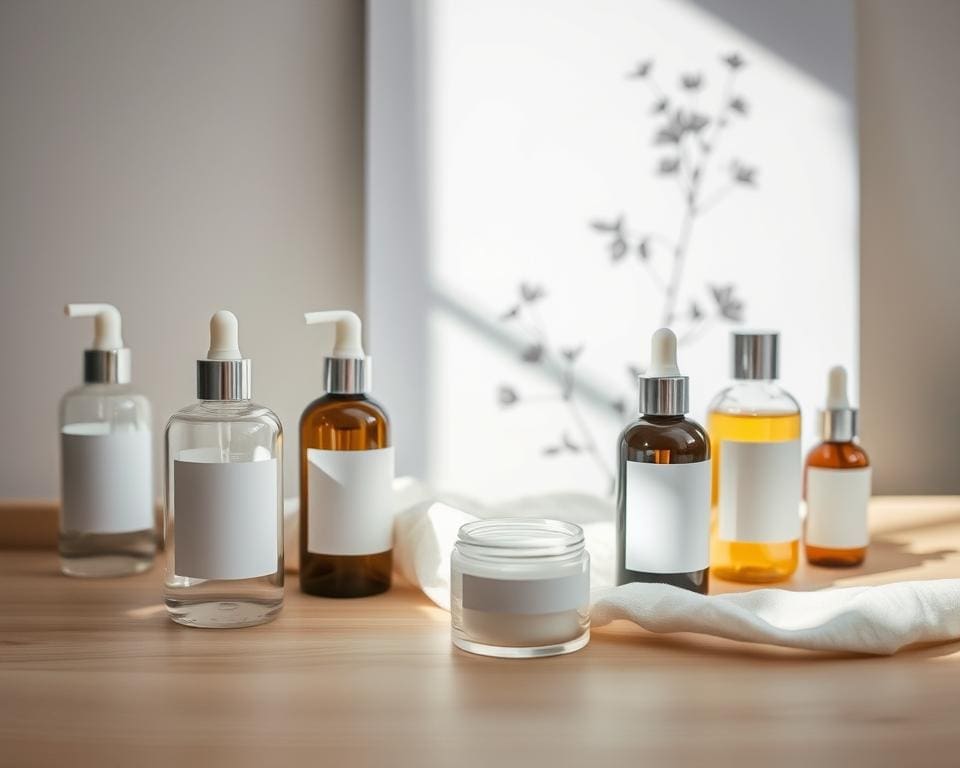
Minimalist beauty has grown from a trend into a practical movement. At its heart lies a clear definition of minimalist beauty: fewer, higher‑quality items that prioritise hydration, protection and gentle treatment over a long list of specialised products. This approach, often called skinimalism, keeps routines intentional and functional while allowing for purposeful makeup that uses multi‑tasking formulas.
Defining minimalism in the context of beauty
Skinimalism definition focuses on simplicity plus effectiveness. It means choosing essentials such as a reliable cleanser, a moisturiser with active benefits and a daily sunscreen. Core principles include quality over quantity, ingredient transparency and ethical production. Some brands like La Roche‑Posay and Glossier show how minimal formulations can still deliver visible results without complicated steps.
Key cultural and lifestyle drivers behind the shift
Several lifestyle drivers minimalist cosmetics point to why people are changing habits. Social media and influencers promote decluttering and capsule wardrobes, while dermatologists back streamlined, evidence‑based regimens. Economic pressure and climate concerns push shoppers to invest in durable, refillable products that reduce waste.
Health awareness matters too. Consumers are wary of ingredient overload and seek routines centred on essentials such as hyaluronic acid or niacinamide rather than endless serums. These shifts shape current UK beauty trends and nudge buyers toward brands that prove efficacy and sustainability.
How minimalism changes daily routines and product choices
Minimal beauty routine changes are practical and visible. Mornings shorten with multifunctional steps: moisturiser with SPF, tinted balms or a serum‑moisturiser hybrid replace multi‑step systems. Evenings focus on good cleansing, one targeted treatment and a nourishing moisturiser.
Purchase patterns reflect the shift. Shoppers pick staples—a cleanser, moisturiser, sunscreen and a single treatment—and avoid impulse buys. Transparent labelling and consistent performance build loyalty to trusted names such as Kiehl’s or products found via retailers like Sephora.
For readers who want to explore expert routine examples, visit a concise guide on effective regimens at top skincare routines this year. The link outlines how minimalism blends with seasonality and targeted care, helping maintain healthy skin with less clutter.
Practical ways minimalism reshapes skincare and makeup choices
Minimalist beauty moves beyond aesthetics into everyday practice. A pared-back approach can save time, cut waste and simplify choices without sacrificing results. Below are concrete ways to build a focused, effective routine that suits modern life in the UK.
Streamlined skincare: fewer, multifunctional products
Multifunctional beauty products such as BB creams with SPF, serum‑moisturisers and makeup‑skincare hybrids collapse steps into one. They reduce mismatched ingredients, calm reactive skin and free up time for busy mornings.
As a core kit, aim for a gentle cleanser, an antioxidant serum like vitamin C, a moisturiser or serum‑moisturiser and a broad‑spectrum sunscreen. Add a targeted treatment such as retinol only when needed and suitable for your skin type.
Capsule beauty wardrobe: essentials for diverse looks
A capsule beauty collection means selecting versatile shades and textures that work together. Neutral eyeshadows, a multipurpose cream blush that doubles as a lip tint, tinted moisturiser, a reliable brow product and mascara create endless looks from few items.
Choose universal tones, invest in quality brushes and favour multi‑use sticks that move from day to night. This approach reduces consumption and supports more sustainable habits.
Shelf-life, safety and ingredient transparency
Longer product use raises questions about shelf‑life and preservatives. Always check the PAO (period after opening) symbol, avoid double‑dipping into jars and store products as directed to maintain safety.
Ingredient transparency UK shoppers expect clear labels and readable lists. Brands that disclose concentrations for actives such as vitamin C or retinol make it easier to compare efficacy and irritation risk. Consult the British Association of Dermatologists or the NHS for guidance on active use and safety.
Case studies: UK brands and influencers embracing minimalism
Many minimalist beauty brands UK show the trend in practice. The Ordinary (Deciem) champions straightforward, ingredient‑led formulas. Pai Skincare and REN Clean Skincare offer gentle ranges for sensitive skin. Boots No7 provides accessible hero products that simplify routines, while retailers such as Cult Beauty and Space NK curate edits for easy shopping.
Dermatologists like Dr Sam Bunting and high‑profile beauty influencers have normalised skinimalism by promoting evidence‑based, pared‑back regimens. Pharmacies and shops are responding with refill stations and minimalist selections, signalling mainstream adoption.
For sustainable product ideas that pair well with a minimalist skincare routine, see curated recommendations at sustainable beauty products you’ll love.
Sustainability, wellbeing and the long-term impact of minimalist beauty
Minimalist skincare and makeup cut environmental harm by reducing purchases, packaging and waste. Fewer products mean lower resource use across a product’s life cycle, fewer shipments and less microplastic from single‑use items. Consumers who choose refillable beauty options and cleaner formulations help shrink the sector’s carbon footprint and support circular systems that major UK brands are beginning to adopt.
Economically, investing in quality staples often costs less over time than buying many cheap products that are quickly discarded. Focusing spend on durable, multifunctional items improves satisfaction and lowers returns and disposal. Tracking changes such as reduced SKU counts per household and the rise in refillable beauty sales can show clear consumer shifts toward value and longevity.
Wellbeing and beauty minimalism go hand in hand. Simple routines reduce morning stress, encourage mindful self‑care and shift attention from masking to nurturing healthy skin. Decluttering and intentional living are linked to better mood and concentration; small rituals can boost self‑esteem and sustain energy, as explored in wider home‑comfort research like the piece on natural light and atmosphere at supervivo.
Looking ahead, the long‑term impact of skinimalism will be structural. Expect tighter labelling, growth of refill and repair models, and stronger policy nudges toward sustainable packaging. These shifts create room for ethical beauty UK leaders and retailers to offer refill services and transparent sourcing. Measurable indicators — refill sales growth, share of spend on multifunctional products and consumer survey data on routine length and satisfaction — will confirm that minimalist beauty is an enduring alignment of aesthetics, ethics and wellbeing.