
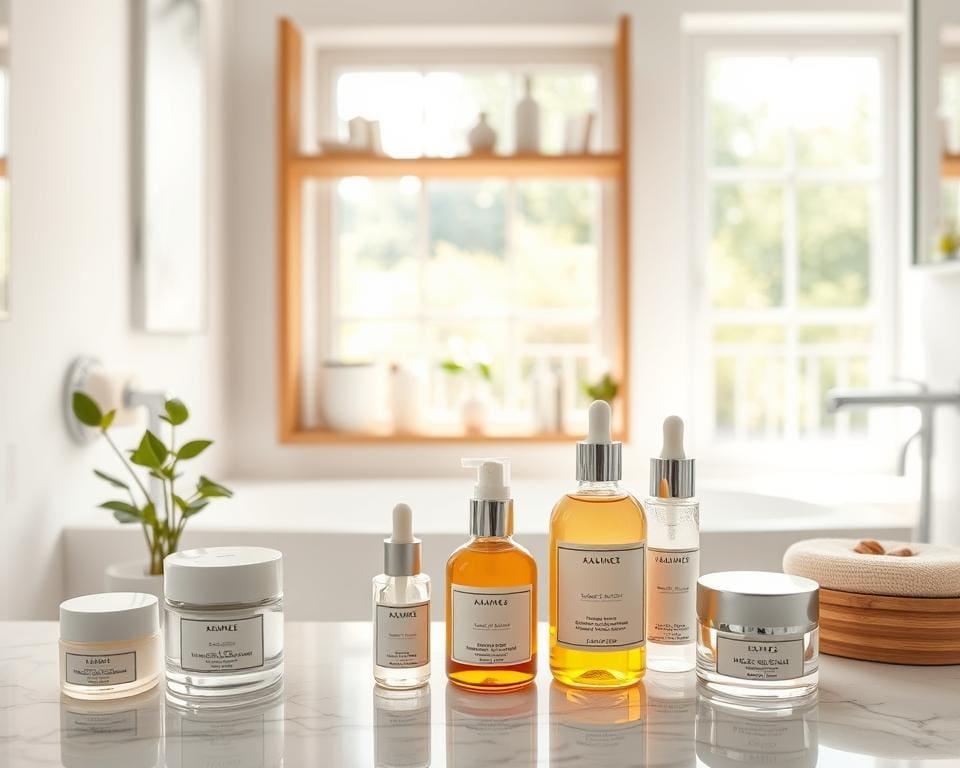
“Clean skincare” is a label many brands use to promise safer formulations, often excluding ingredients such as parabens, sulphates, phthalates and some synthetic fragrances. The phrase is contested in the UK because there is no single legal definition, so interpretations vary between manufacturers, retailers and consumers.
Interest in clean beauty UK has grown visibly: Google search volumes for terms like clean skincare are higher across London, Manchester and Edinburgh, and retailers such as Boots and Superdrug now give more shelf space to natural and clean brands. Market research also points to rising sales in ethical and cruelty-free categories, reflecting a wider clean skincare trend UK.
Global forces have fuelled this shift. The rise of wellness culture, better online education about ingredients, and post-pandemic self-care habits mean shoppers now expect products that deliver results and align with sustainable skincare UK values.
This piece will examine ingredient awareness, environmental and regulatory drivers, market innovation and the practical reasons UK consumers switch to eco-friendly skincare. For a practical look at routines that match these priorities, see this guide on everyday skincare choices that balances health and results.
Why is clean skincare trending in the UK?
British shoppers are more curious about what they put on their skin. Easy access to INCI lists, dedicated blogs, YouTube channels and short-form clips on TikTok has raised ingredient awareness skincare across age groups. People check for parabens, sodium lauryl sulphate, synthetic fragrances and microplastics before they buy.
Dermatologists such as Dr Sam Bunting and scientists who post on social platforms help translate complex research into plain guidance. Their input steers readers towards clinically proven actives like retinoids and vitamin C delivered in gentler, cleaner formats. Younger audiences show a higher appetite for ingredient literacy, while older shoppers often balance safety with tried-and-tested efficacy.
Growing consumer awareness about ingredients
Independent tools such as INCI Decoder and organisations like the Environmental Working Group have made it simple to compare formulations. That transparency fuels demand for brands that publish full ingredient lists and explain sourcing. Shoppers expect clear labelling and simple language so they can make informed choices.
Environmental and ethical concerns influencing choices
Climate conversations and campaigns by Greenpeace and Friends of the Earth have pushed sustainability and ethics beauty UK into mainstream decisions. Consumers seek refill systems, plastic-free formats and packaging that is recyclable or compostable.
Ethical claims matter. Cruelty-free bottles, fair trade botanicals and socially responsible sourcing affect purchase decisions. Lush’s refill initiatives and The Body Shop’s recyclable targets are examples that shape expectations for many UK buyers. Activism on microbeads and single-use plastics has tightened scrutiny of both formulations and packaging.
Regulatory landscape and safety expectations
Products sold in Britain must meet UK cosmetics regulation, which carries over many EU standards. Certain substances are restricted or banned and safety assessments and labelling rules apply. The phrase clean skincare is not legally defined, so consumers often look for independent verification.
Policy reviews on microplastics, endocrine disruptors and PFAS may lead to further limits. Reputable firms commission safety dossiers and third-party testing to reassure customers. Clear ingredient transparency UK, third-party seals and provenance statements help bridge regulatory gaps and earn trust.
For readers seeking eco-minded product picks, see a practical guide to sustainable beauty at sustainable beauty products you’ll love. That page highlights brands and packaging innovations many UK shoppers now prioritise when choosing toxic-free skincare UK options.
Market forces and brand innovation shaping clean beauty search trends
Innovation in the beauty market is reshaping what people search for and buy. Small labels and fast-moving teams have turned product stories into search queries. This section explores how distribution models, retail partnerships and clear ingredient stories drive interest in clean beauty across the UK.
Indie brands and DTC models boosting visibility
Independent houses such as Deciem have proven that plain-speaking science and bold positioning win trust. Many UK-born indie skincare UK brands launch direct to consumer, which cuts marketing overheads and speeds up feedback loops. That agility lets niche makers test formulas, refine claims and capture specific searches around ingredients and results.
Direct channels mean targeted social campaigns and email launches convert quickly. The growth of DTC beauty UK has raised the volume of searches for clean formulations and made small brands a meaningful part of the market share.
Retail and influencer ecosystems amplifying demand
Curated retailers like Cult Beauty and Naturisimo act as amplifiers, giving indie labels wider storefronts and increasing discoverability. Concessions in Boots or John Lewis place clean options beside mainstream lines, normalising the category for everyday shoppers.
Creators and editors decode labels for audiences, turning technical debates into mainstream interest. Influencer beauty trends UK often start with a deep-dive video or long-form review that sparks spikes in searches and trial. Partnerships with dermatologists and recognised experts lend credibility to those viral moments.
Product innovation and formulation transparency
Research into gentler surfactants, biodegradable emulsifiers and stabilised botanical actives has produced multifunctional, minimalist formulations. Brands deliver clinical benefit while avoiding contentious ingredients, which encourages targeted queries such as clean retinol or sulphate-free cleansers in the UK.
Expectations for formulation transparency are rising. Labels that show ingredient purpose, QR codes linking to sourcing data and third-party seals reduce uncertainty. Shoppers now search for verified claims and trustworthy documentation when choosing products.
For readers wanting a closer look at sustainable product choices and packaging approaches, this curated guide to sustainable beauty offers practical examples and shopping inspiration: sustainable beauty products you’ll love.
Practical reasons UK consumers switch to clean skincare
Many people in the UK choose clean skincare for health and skin-sensitivity reasons. Those with eczema, rosacea or easily irritated skin often swap products to avoid strong synthetic fragrances, sodium lauryl sulphate and certain preservatives. After switching to gentler, low-ingredient or fragrance-free formulations, shoppers commonly report fewer flare-ups and less daily redness.
Perceived long-term safety is another driver. Even where scientific debate continues, avoidance of contentious ingredients offers peace of mind. That perceived personal safety ranks among the top reasons to choose clean skincare UK, alongside the clear skincare benefits UK users describe in reviews and retailer testimonials.
Practical sustainability and lifestyle benefits also push people to switch to clean beauty UK. Refill schemes, solid bars for shampoo and cleansers, and pared-back routines cut plastic waste and simplify busy mornings. Multi-use products can reduce the number of items on a shelf, which often translates to lower cost per use and better value over time.
Ethics and transparency matter too. British shoppers increasingly prefer cruelty-free and responsibly sourced ingredients, and many look for brands that publish supplier audits, carbon plans and community initiatives. Clear claims, visible certifications and straightforward return policies reduce purchase anxiety and help consumers trial new lines with confidence.
Finally, efficacy seals the decision to switch. Visible outcomes — clearer skin, fewer breakouts and less irritation — encourage repeat purchases and word-of-mouth. To switch sensibly, patch test new products, introduce actives slowly, read INCI lists and consult a dermatologist for persistent issues. Choosing trusted retailers and certified brands lowers risk while delivering the long-term benefits of clean beauty.