
Dry and sensitive lips show as persistent chapping, frequent splitting, tightness, flaking and a tendency to sting or redden. In everyday terms this can come from cold winds, low indoor humidity, habitual lip licking, or exposure to irritant ingredients in cosmetics and medications. Some medical conditions can also weaken the lip barrier, leaving skin more reactive and prone to discomfort.
Beeswax lip balm provides a simple, food-grade solution. Beeswax is a natural wax produced by honeybees that forms a protective yet breathable layer on the lip surface. This barrier helps retain moisture and shields delicate skin from environmental stressors without feeling heavy or clogging pores, which makes it a staple in natural lip care and a trusted choice for gentle lip care for sensitive skin.
In this article we look at the barrier and moisturising properties of beeswax, explain why complementary oils such as coconut and olive oil matter for hydration, and offer practical guidance on choosing and using a nourishing balm for everyday use. We also highlight sustainable, small-batch options such as the handmade Werbonia Farm lip balm collection, which emphasises ingredient transparency and a UK ethos of careful, natural formulation.
Evidence from dermatology on emollients and occlusives supports beeswax’s role in barrier repair, and customer observations often point to longer-lasting moisture and reduced chapping when a quality beeswax lip balm is used regularly. Read on to learn how simple formulations, clear labelling and mindful application can change daily lip care into a soothing ritual.
Why beeswax lip balm ideal is for dry and sensitive lips
The right balm can feel like a small act of kindness for sore lips. Beeswax lip balm forms a gentle shield that soothes cracked skin and gives lips time to recover. This kind of protective balm for dry and chapped lips helps keep moisture where it belongs while easing discomfort from wind and cold.
Natural barrier protection that soothes and seals
Beeswax creates a flexible, water-resistant film over the lip surface. That film reduces transepidermal water loss and lowers friction from talking or wiping. The result is less stinging on raw areas and a calmer surface for healing.
How beeswax locks in moisture without clogging pores
Lips differ from facial skin because they have fewer oil glands. Beeswax acts as an occlusive rather than a heavy, pore-clogging layer. When used in small amounts inside a balm, it traps hydration beneath the surface while feeling light on the skin.
Benefits for sensitive skin: anti-inflammatory and gentle action
Beeswax contains natural compounds that can soothe irritation. Traces of honey and related substances offer mild antimicrobial and anti-inflammatory effects. Most people find beeswax suitable for gentle lip care for sensitive skin, though those with strong bee-product allergies should patch test.
Evidence and customer observations for dry, chapped lips
Clinical guidance for cheilitis and chapping stresses barrier repair and emollient use. Many users report faster reduction in cracking and a longer, more comfortable wear from a long lasting moisture barrier for lips compared with water-based gels. Reviews often note improved softness in cold, windy conditions when a protective balm for dry and chapped lips is applied before going outside.
Key ingredients and why they matter for gentle lip care
Choosing a nourishing balm for everyday use begins with understanding each ingredient and its role. A simple, well-balanced recipe gives lips protection, comfort and lasting softness. Below we outline the core components that make natural lip care both effective and kind to sensitive skin.
Beeswax: composition and therapeutic properties
Beeswax contains esters, fatty acids and long-chain alcohols that set its melting point and film-forming nature. This composition creates a gentle barrier that shields lips from moisture loss while still feeling light.
Therapeutically, beeswax offers protective occlusion and mild humectant synergy when blended with oils. Its natural antioxidant content helps preserve small-batch formulas. Reputable makers use food-grade or cosmetic-grade refinement to keep the ingredient pure and skin-friendly.
Coconut and olive oil lip balm formula: moisturising and nourishing roles
A coconut and olive oil lip balm formula combines quick-spreading softness with deep nourishment. Coconut oil gives a silky, easy glide that seals surface dryness.
Olive oil supplies oleic acid and antioxidants that replenish lip lipids for lasting suppleness. Together with beeswax, these oils balance barrier function and emollient care to support sensitive lips.
Natural additionals: shea butter, vitamin E and botanical extracts
Shea butter brings dense moisturisation through skin-conditioning triglycerides. Vitamin E (tocopherol) works as an antioxidant and stabiliser while aiding skin repair. Botanical extracts such as chamomile, calendula and lavender can add soothing, anti-inflammatory benefits when used at skin-safe concentrations. Werbonia Farm lip balm collection uses responsibly sourced botanicals to support reactive skin.
Why simple, natural formulations reduce irritation risk
Fewer ingredients and the absence of known irritants lower the chance of contact dermatitis. Avoiding synthetic fragrances, harsh preservatives and strong actives keeps formulations calmer for sensitive users.
Natural does not automatically mean hypoallergenic. Ingredient transparency, batch testing and clear labelling from small-batch natural skincare UK brands help people with reactive skin make safer choices.
How to choose and use a protective balm for dry and chapped lips
Choosing the right protective balm for dry and chapped lips makes a noticeable difference. Look for clear, simple ingredient lists and small-scale makers that share provenance. Pick products that suit sensitive skin and your lifestyle.
What to look for on labels
Scan ingredients for beeswax listed early, often labelled as cera alba. A natural lip balm with beeswax should pair that wax with nourishing oils such as Cocos nucifera (coconut oil) and Olea europaea (olive oil). Supportive but simple additions include shea butter and vitamin E. Seek transparent free-from claims: no parabens, no synthetic fragrances, and no petroleum jelly if you prefer plant-based formulas.
Check where the balm was made and whether the maker publishes batch numbers. Small batch natural skincare UK brands tend to list ingredient sources and batch details. Look for clear statements on sustainability and cruelty-free practices when you want sustainable lip care products.
Application tips for maximum long lasting moisture barrier for lips
Start with clean, dry lips. Warm a small amount on your fingertip or glide a clean balm stick across the lip surface. Apply a thin, even layer, then press lips together to spread the product evenly.
For daytime wear, a light coat creates a long lasting moisture barrier for lips without looking heavy. For overnight repair, apply a slightly thicker layer to give the balm time to occlude and support recovery while you sleep.
When to reapply and how to layer with other products
Reapply after eating or drinking if the balm comes off, after swimming, and whenever lips feel tight. Before heading into cold or windy weather, add a fresh layer to reinforce protection.
Layering works when products are compatible. Use a gentle, oil-based lip serum beneath a balm for added hydration. Avoid combining balms with harsh exfoliants or medicated treatments without checking with a clinician first. Patch-test new pairings on sensitive lips before regular use.
Checklist
- Beeswax (cera alba) near the top of the list
- Nourishing oils: coconut, olive
- Simple supports: shea butter, vitamin E
- Transparent free-from claims and provenance
- Small batch natural skincare UK and sustainability credentials
Why choose handmade and sustainable options like Werbonia Farm lip balm collection
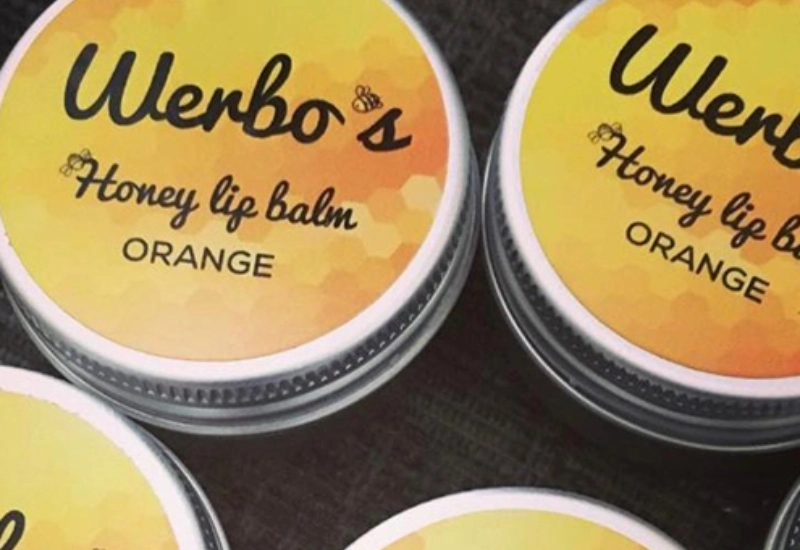
Werbonia Farm lip balm collection offers a clear example of handmade lip balm aimed at dry and sensitive lips. Small batch natural skincare UK practices mean each tin or tube is produced with attention to ingredient traceability and minimal processing. This preserves the therapeutic quality of beeswax and botanical oils while keeping formulations simple and effective.
Expect high-quality beeswax sourced from ethical beekeepers, cold-pressed or virgin oils such as coconut and olive oil, and supportive but minimal additions like shea butter and vitamin E. Packaging tends to be recyclable or compostable, reflecting the wider move towards sustainable lip care products. These choices reduce environmental impact and help keep the balm fresher and more potent than mass-produced alternatives.
Handmade balms frequently deliver a superior sensory experience: a smooth texture, gentle natural scent and easy application that suits sensitive skin. The small batch natural skincare UK approach used by Werbonia Farm allows consistent quality and the occasional limited-edition botanical blends for targeted care, such as extra-nourishing night balms or lightly fragranced day options.
When shopping, look for beeswax lip balm on werboniafarm.com to check full ingredient lists, batch details and customer reviews. Clear labelling and transparency are strong trust signals for natural lip care. Choosing a conscientious maker means balancing efficacy, simplicity and environmental responsibility for a nourishing everyday balm that truly supports dry and sensitive lips.