
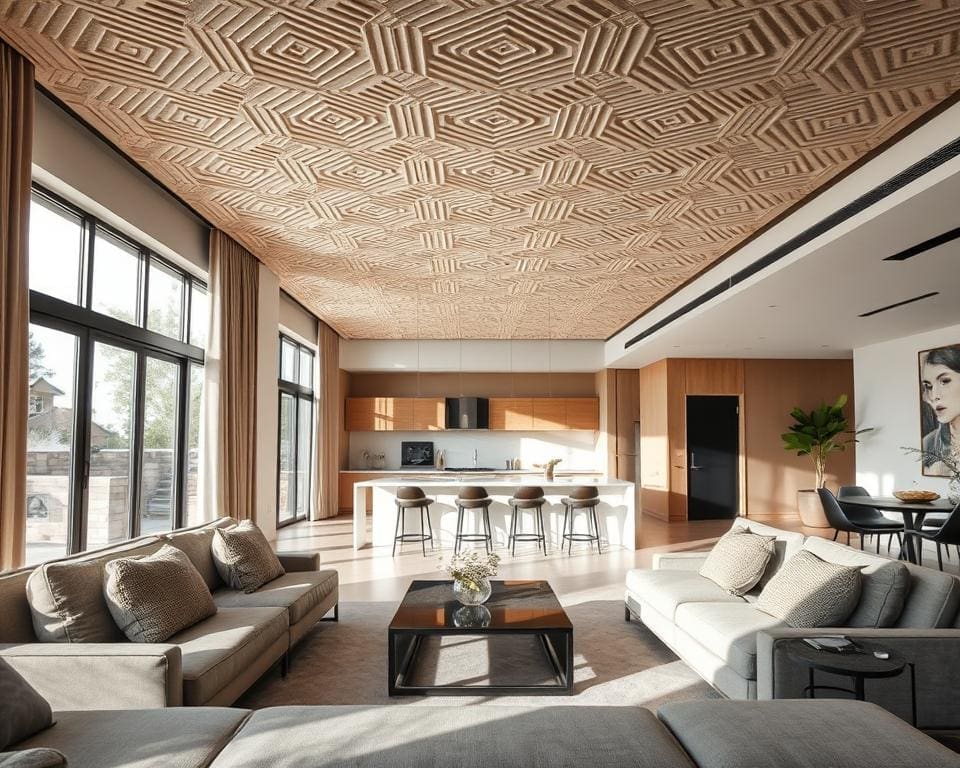
Acoustic design is the intentional control of sound through materials, layout, building elements and behavioural strategies. In open-plan living — from kitchen-living-dining spaces to mezzanines and converted lofts — sound behaves very differently than in compartmentalised rooms. That makes sound design open homes a core design consideration rather than an afterthought.
In the UK, open-plan acoustic importance is shaped by housing types such as Victorian and Edwardian conversions, new-build apartments, suburban extensions and barn conversions. Construction features like solid masonry party walls, timber floors and varying double glazing standards all influence acoustic comfort UK homeowners experience.
Poor acoustics can disrupt conversation, remote work, relaxation and entertaining, raising stress and lowering privacy. By contrast, thoughtful acoustic design open-plan improves comfort, social interaction and the perceived quality of a home.
This article will first explain why acoustic design matters and outline common challenges. Next it will offer practical strategies and materials for open-plan spaces, then consider long-term value and design decisions to protect acoustic comfort UK households need.
Why is acoustic design important in open homes?
Open-plan living offers flow, light and sociability. Good acoustic design makes that openness work for daily life. It balances lively family moments with quiet corners for work, study and rest. The following short notes explain key ideas and common problems in plain terms.
Defining acoustic design in modern open-plan living
Defining acoustic design means understanding how sound behaves in a space and choosing materials and layouts to manage it. Think of sound absorption as materials turning sound energy to heat, sound diffusion as scattering to avoid sharp echoes, and sound insulation as barriers that block transmission between areas.
Reverberation time, or RT60, measures how long sound lingers. Shorter RT60 gives speech clarity in living and working zones. Slightly longer RT60 can give warmth in a vaulted kitchen-diner without ruining intelligibility.
Common acoustic challenges in open homes
Open-plan layouts let airborne sound travel freely. Hard finishes such as engineered timber, stone and large glazed areas raise reverberation and create reverberation echoes open-plan.
Typical noise sources include mechanical services like extractor fans, domestic appliances, televisions and voices. Structure-borne sound from footsteps and staircases adds another layer of disturbance. These combine to form common acoustic challenges open-plan that reduce privacy and cause noise problems open-plan homes.
UK guidance such as Building Regulations Approved Document E, BS EN ISO 354 and advice from RIBA and the Chartered Institute of Building help set measurable goals. Targets include realistic RT60 ranges for living spaces and appropriate sound insulation where rooms abut other dwellings.
How acoustic quality influences wellbeing and lifestyle
Sound and wellbeing are closely linked. Persistent noise raises stress hormones, hurts concentration and fragments sleep. The mental health noise from chronic exposure can lead to irritability and lower task performance.
Good acoustic design supports acoustic wellbeing by reducing muddied speech, improving privacy for calls and allowing several activities at once without conflict. The acoustics effects lifestyle in practical ways: better remote working, calmer family routines and more enjoyable entertaining.
Homes that manage sound well can feel more luxurious and sell faster. Thoughtful sound control open-plan living brings social, psychological and economic benefits for UK households seeking adaptable, peaceful spaces.
Practical acoustic strategies and materials for open-plan spaces
Open-plan homes can sing or shout. A clear layout zoning acoustic approach gives control without closing off space. Pair spatial moves with targeted materials to shape sound where you need calm and energy.
Layout and zoning techniques to control sound
Start with an intentional sound control layout. Place noisy functions like the kitchen, utility and play area away from work and sleep zones. Use islands, sofas and rugs as soft barriers to define acoustic zoning open-plan without building walls.
Introduce vertical breaks such as half-walls, raised platforms or steps to interrupt sound paths. Built-in bookcases and storage act as mass and absorptive buffers. Route circulation and staircases to reduce flanking transmission into primary living spaces.
Absorptive and diffusive materials suited to UK homes
Choose absorptive materials open-plan to tame mid and low frequencies. Rugs, heavy lined curtains and upholstered furniture in wool or cotton blend fabrics add measurable absorption. Consider acoustic panels UK for wall treatments that blend with interiors.
Mix diffusion with absorption for lively but controlled rooms. Bookshelves, timber slat screens and large artwork act as diffusers for homes, scattering reflections so sound feels natural rather than harsh.
For ceilings, suspended rafts and perforated plasterboard cut reverberation in vaulted spaces. Suppliers such as Armstrong and Ecophon offer residential options. Favoured sustainable choices include recycled PET felt and sheep’s wool insulation.
Doors, glazing and fixtures that improve acoustic performance
Solid, heavier doors with proper door seals acoustic will improve privacy between rooms. Look for acoustic doors UK rated for retrofit or new build to boost performance. Thresholds and seals make a large difference to perceived quiet.
Glazing choices matter in busy streets. Acoustic glazing open-plan using laminated panes or secondary glazing helps soundproofing windows while preserving views. Pilkington and Saint-Gobain produce suitable options for heritage and modern projects.
Seal service penetrations, use acoustic caulk and fit sound-attenuating ventilation mufflers to stop simple noise paths. Glazed partitions with acoustic seals can keep visual openness while limiting transmission.
Behavioural and low-cost interventions
Small changes offer big results. Adopt acoustic behaviour tips like closing doors to noisy rooms, scheduling loud tasks at different times and providing headphones for focused work. Place noisy appliances on rubber feet to cut impact noise.
Low-cost acoustic improvements include door draft excluders, adhesive felt pads for furniture legs and heavy curtains. DIY panels made from insulation and fabric provide affordable absorption and a chance to match aesthetics.
Position sofas and bookshelves against shared walls to add mass and absorption. Use plants as soft absorbers. These simple moves help reduce noise at home while keeping spaces open and welcoming.
Designing for long-term value: acoustic design benefits and considerations
Investing in acoustic design long-term value pays dividends for homeowners and developers across the UK. Early acoustic decisions reduce the need for costly retrofits, protect resale value and become a clear selling point in competitive markets. Positioning good sound performance as a quality-of-life feature helps convert interest into offers, making acoustic investment homes UK a strategic asset rather than a later expense.
Consider lifecycle and maintenance when choosing materials. Fabric-wrapped panels need occasional cleaning, timber slats benefit from periodic sealing, and mineral wool rafts are largely maintenance-free. Specifying products with published performance data and warranties avoids surprises and simplifies upkeep, which supports both everyday living and long-term asset preservation.
Regulatory and planning considerations shape feasible interventions. Approved Document E on sound insulation, party-wall agreements and consent for listed buildings or conservation areas can affect measures such as secondary glazing or structural upgrades. Engaging an acoustic consultant early ensures targets are measurable and helps navigate compliance and sound insulation testing requirements at pre- and post-construction stages.
Work with architects, RIBA-accredited designers and reputable contractors to blend acoustics with aesthetics and sustainability. Solutions such as timber slats, bespoke fabric panels and integrated shelving deliver both form and function. Thoughtful acoustic design transforms open homes into calm, adaptable spaces that support modern UK lifestyles, wellbeing and long-term market value, and it positions properties as desirable acoustic investment homes UK with clear acoustic retrofit considerations already addressed.