Cambridge is a compact city where centuries of English history, learning and architecture sit within easy walking distance. For anyone asking Why is a day out in Cambridge perfect for history lovers?, the answer lies in how medieval colleges, Tudor chapels and Georgian squares cluster around the River Cam.
The university, founded c. 1209, gives Cambridge a dual identity: a living academic city whose courts and cloisters preserve layers of the past, and a civic centre shaped by markets, guildhalls and riverside trades. That mix makes a Cambridge history day trip rich and varied without feeling rushed.
Accessibility helps too. Regular rail links from London King’s Cross and Liverpool Street, services from Manchester and coach routes via National Express mean day-trippers can arrive early and leave late. The well signposted core is ideal for walking or short bike rides between King’s College Chapel history, the Fitzwilliam Museum Cambridge and other sites.
History lovers will find guided college tours, specialist museums covering art, archaeology and the history of science, curated exhibitions and narrated punts that link buildings to stories about scholars and scientists. This piece is a practical, inspirational guide: it highlights must-see Cambridge historical attractions, suggests a one-day itinerary and offers tips on transport, tickets and accessibility so you can plan a meaningful visit.
Why is a day out in Cambridge perfect for history lovers?
A single day in Cambridge can feel like a journey through centuries. Stone, glass and water shape stories that span medieval markets to scientific breakthroughs. Visitors can move from quiet cloisters to lively streets and leave with a sense of how past lives inform the present.
Historic colleges and cloisters to explore
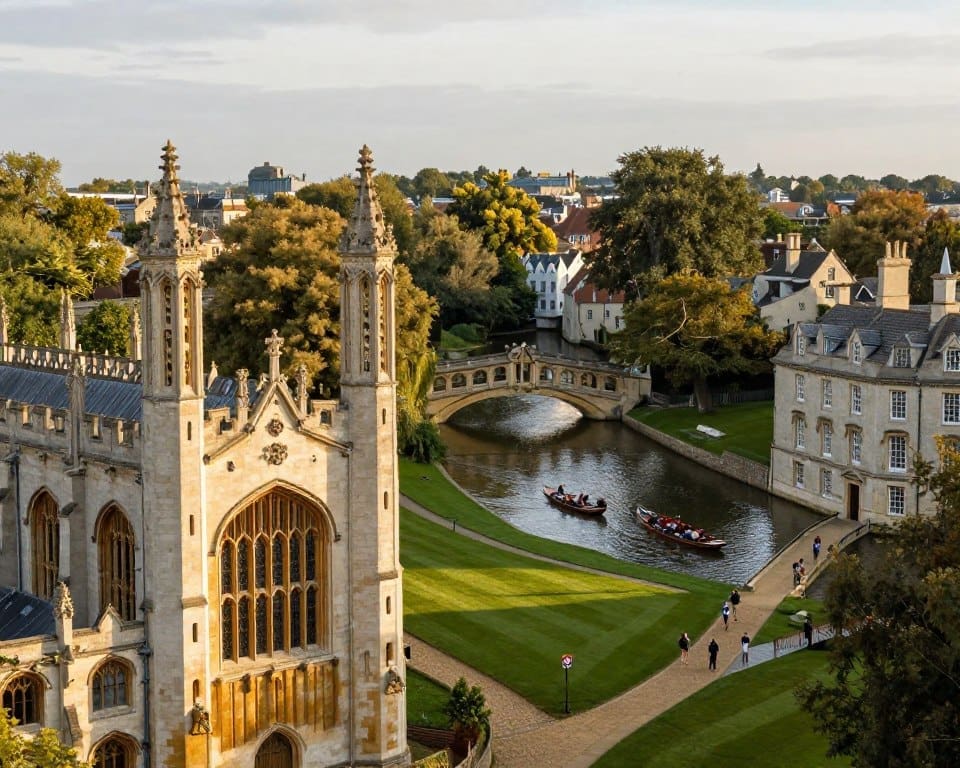
Begin with King’s College Chapel to admire late Perpendicular Gothic work begun in 1446 and completed in 1515. The fan vaulting and the internationally famous stained glass reward quiet inspection. The chapel links to Henry VI and later monarchs and remains a living place of worship through Evensong and the Christmas Eve Festival of Nine Lessons and Carols.
Walk on to see Trinity College history in its Tudor and neo-classical buildings. The Great Court, its famous alumni such as Sir Isaac Newton and Lord Byron, and the tale of the Great Court Run reveal layers of academic life. Visitors can view the court architecture and imagine the traditions that shape Cambridge ritual.
St John’s College cloisters show different stages of construction. Bridges, chapels and the well-known Bridge of Sighs stand over water and court. Medieval foundations sit beneath 16th- and 17th-century additions, with cloisters, courts and gardens that map changes in collegiate routine and study.
Museums and collections that bring history to life
The Fitzwilliam Museum collections are central to understanding art and antiquities. Egyptian, Greek and Roman antiquities sit alongside Western European paintings, Asian art and illuminated manuscripts. Admission is free and special exhibitions make repeat visits worthwhile.
The Whipple Museum of the History of Science displays early instruments, apparatus and models. Astronomical, medical and optical devices chart how scientific practice developed at Cambridge. Objects here connect classroom theory with practical experiment.
The Museum of Archaeology & Anthropology brings global and local finds together. Ethnographic material and archaeological objects place Cambridge history in a wider context. Temporary exhibitions, lectures and family events expand what you can learn on a single visit.
Historic streets, markets and everyday heritage
Cambridge Market Square history goes back to medieval trading. It remains the city’s social and commercial heart, with stalls selling produce, crafts and books. The market is a living tradition where everyday heritage continues to evolve.
Civic buildings such as the Guildhall tell the story of municipal life. The Victorian Gothic façade and civic archives show how local government grew and how ceremonies marked community life.
Punting Cambridge history offers a fresh angle on the college backs, mathematicians’ bridges and boathouses. Chauffeured punts preserve a tradition, while hire punts invite hands-on exploration of the river and its views.
Small markers and plaques around the city link local stories to national narratives. Memorials to figures like Charles Darwin and Rupert Brooke, and the careful conservation of period shopfronts, make each street a thread in a larger historical tapestry.
Timetables and itineraries for a perfect historical day
Plan a day that moves at a thoughtful pace and lets the city reveal layers of history. Use compact Cambridge walking routes to link landmarks. Start early, pause for museum afternoons and finish with atmospheric evening options that suit curious travellers.
Suggested morning routes for history enthusiasts
Begin at Market Square to feel the civic pulse, then climb Great St Mary’s tower for a short, rewarding panorama of college spires. Allocate 30–45 minutes for the tower and market browsing before heading along Senate House Passage towards King’s Parade.
Beat the crowds by arriving at King’s College first thing. The best time to visit King’s College Chapel is early morning when light and quiet reveal the architecture. Set aside 60–90 minutes to explore the chapel and adjacent court.
If time allows, visit Trinity or St John’s before midday tourist peaks. These stops fit neatly into most Cambridge walking routes and offer a strong sense of collegiate history.
Afternoon plans that deepen historical insight
Reserve museum visits for the afternoon when galleries feel calmer. The Fitzwilliam Museum deserves 1.5–2 hours. The Whipple Museum and the Museum of Archaeology & Anthropology suit 45–90 minute visits depending on interest.
For riverside context, book a chauffeured punt with a focus on punting tours history. A 45–60 minute narrated tour explains the Backs, boathouses and literary links. Choose to punt yourself for a more active, personal experience.
Guided college tours Cambridge run at set times and should be booked online where possible. These tours add depth and access that open visits may not offer.
Evening options steeped in history
Historic pubs such as the Eagle and the Cambridge Blue offer period ambience, local ales and stories tied to past discoveries. They make ideal stops for an early evening supper or drink.
Check listings at Cambridge Arts Theatre and college programmes for talks, recitals or lectures with historical themes. Evening events often highlight material that day visits only touch on.
For atmospheric Cambridge evening walks, take a short after-dinner stroll along the Backs or through permitted college courts. Respect opening times and privacy. Night views of illuminated spires and bridges reward a gentle, reflective end to a full day.
Practical tips for visiting Cambridge’s historical attractions
A little planning makes a day in Cambridge feel effortless. Think about how you’ll arrive, what to book in advance and which services will help everyone enjoy the city’s heritage. The notes below cover getting to Cambridge, moving around the city, sensible booking tips and what to expect for accessibility Cambridge attractions.
Transport and access for day-trippers
Rail links from London King’s Cross and Liverpool Street run frequently, with journeys around 45–60 minutes from King’s Cross. Direct trains also serve Norwich, Ely and Peterborough, making regional day trips straightforward.
National Express and regional coach services serve Cambridge for budget travel. Drivers can use Park & Ride sites at Milton and Madingley to avoid city-centre congestion. Once in Cambridge, walking is the easiest way to see most sights.
Cycle hire schemes such as Santander Cycles or local bike shops offer fast, flexible journeys. Bus routes cover longer hops and taxis or ride‑hailing are available from the station and central ranks. Keep a small umbrella and comfy shoes for cobbled courts and riverside paths.
Ticketing, guided tours and saving money
Many colleges ask for modest entry fees while museums such as the Fitzwilliam Museum offer free entry with suggested donations. Check college websites for up-to-date opening hours and pricing before you travel.
Advance booking helps at busy times. Secure college tour bookings, punt cruises and special exhibition tickets early in summer or during term ends to avoid disappointment.
Look for combined museum tickets Cambridge offers during certain events and city passes that bundle attractions. Take advantage of student and senior concessions and free guided walks run by volunteer groups like Cambridge Past, Present & Future.
If your time is tight, visit free or low-cost museums first, pack a picnic for permitted college gardens and travel outside peak weekend periods to save money and avoid crowds.
Accessibility and visitor facilities
Major museums provide step-free access, lifts and accessible toilets. Many colleges are historic and have limited wheelchair access to inner courts. Always check individual access pages for current information and accessible tours.
Large museums and the market area offer cafés and baby‑changing facilities for families. Some colleges run supervised family visits and children’s activity sheets to engage younger visitors.
Rest points are abundant near the Fitzwilliam and Market for a quick break. Public toilets and NHS walk‑in services are available in the city for health needs. Observe visitor etiquette in chapels and courts, respect photography rules and follow signposted routes to protect delicate historic fabric.
Why Cambridge’s history resonates with modern visitors
Cambridge feels alive because its past is woven into everyday life. Walks past Trinity and Christ’s College link visitors to Cambridge notable alumni such as Sir Isaac Newton and Charles Darwin. Museums and colleges mark these lives with rooms, portraits and manuscripts that make abstract achievements tangible.
Exhibits from the Whipple Museum and the Fitzwilliam show Cambridge scientific discoveries alongside instruments and first editions. Temporary exhibitions, anniversary programmes and public lectures let visitors see how research and writing evolved. The university’s public lecture series and college events give modern audiences a way to hear historic ideas discussed in present-day terms.
Annual rituals and festivals draw people in. May Week, graduation ceremonies and college feasts are living traditions, while the Cambridge Folk Festival and the Cambridge Literary Festival bring local culture and Cambridge heritage festivals to a broad audience. Heritage open days often allow access to normally private cloisters and staircases, creating memorable encounters with place.
Conservation projects Cambridge and museum research Cambridge keep the story fresh. Stonework repairs, stained glass conservation and manuscript preservation are shared through talks and reports, and visitors can join curator-led tours, handling sessions or archive viewings. These opportunities turn a day out into a chance to meet archivists, learn conservation techniques and leave with a deeper sense of how Cambridge shaped modern Britain and global thought.