Recreational sports play a pivotal role in enhancing social connections, providing a vibrant platform for individuals to engage with one another. Through shared activities and teamwork, participants not only cultivate a sense of community but also forge meaningful friendships. Numerous studies reveal that those involved in recreational sports often experience a greater sense of satisfaction in their social lives, highlighting the importance of social networks in our well-being. This article will delve deeper into how recreational sports unite diverse individuals, creating bonds that transcend mere interaction and foster lasting connections.
The Importance of Social Connections
Social connections play a crucial role in enhancing both personal well-being and the overall functionality of society. Establishing strong social networks can yield numerous benefits of connections that significantly improve emotional and psychological health. Engaging with others fosters a sense of belonging while encouraging positive lifestyle choices.
Benefits of Strong Social Networks
A robust network of relationships enhances emotional support systems, providing individuals with a safety net during times of crisis. Those with strong connections often report lower levels of stress and anxiety, leading to a healthier state of mind. The presence of community support acts as a catalyst for well-being, inspiring resilience and better coping strategies in difficult situations. Engaging in recreational sports serves as a powerful avenue for forming these vital social networks, allowing participants to build lasting friendships through shared experiences.
Impact on Mental Health
The implications of social networks on mental health are profound. Studies highlight that individuals partaking in community activities and recreational sports experience a notable reduction in feelings of loneliness. Strong connections can foster positivity, encouraging individuals to reach out and interact with peers. This interaction not only enhances relationships but also contributes to significant improvements in overall mental health, proving that community support plays a fundamental role in fostering resilience and emotional stability.
Why do recreational sports improve social connections?
Engaging in recreational sports offers more than just physical activity; it provides an excellent opportunity to nurture social bonds through effective teamwork. Individuals participating in these activities come together, each contributing their unique skills and strengths to achieve a common goal. This environment fosters collaboration and enhances communication, which plays a crucial role in building trust among team members.
Building Trust Through Teamwork
When individuals join forces in recreational sports, they develop a sense of reliance on one another, creating the foundation for strong relationships. As players encounter challenges together, they learn to support each other, reinforcing the importance of trust in their interactions. The shared responsibility in achieving success enhances personal connections, enriching the social fabric within the team.
Strong social interactions fostered by teamwork in recreational sports benefit not only the individuals directly involved but also the wider community. The bonds formed on the field can lead to friendships that extend beyond their sporting pursuits, leading to a more connected society. In this way, recreational sports cultivate an atmosphere where trust flourishes, bringing individuals closer together while promoting healthy lifestyles.
Creating a Sense of Community
The essence of recreational sports lies in their capacity to foster a vibrant community. Engaging in group activities not only brings individuals together but also nurtures a sense of belonging where everyone feels valued and appreciated. Such environments are crucial for building connections that extend beyond the sports field.
Group Activities and Their Role
Participating in various group activities enhances social interaction, allowing individuals to forge friendships rooted in shared interests. From friendly competitions to collaborative training sessions, these interactions play a vital role in creating strong ties within the community. Activities such as charity runs or friendly matches provide an excellent platform for linking with others, encouraging collaboration and unity.
Local Sports Clubs and Participation
Local sports clubs serve as essential hubs for social engagement and communal participation. Whether it be football, netball or running, these clubs welcome individuals from diverse backgrounds, all united by a common goal. Participation in local initiatives and community-driven sports events not only promotes physical health but also reinforces bonds between members. Through shared experiences, participants cultivate a vibrant social fabric that enriches neighbourhoods.
The Role of Shared Goals and Experiences
In the realm of recreational sports, shared goals emerge as a powerful force that unites participants. When individuals come together with common objectives, the essence of teamwork flourishes. Whether striving to improve skills, achieve victory, or simply have fun, these aims foster connections that transcend initial acquaintances.
Common Objectives in Recreational Sports
Setting shared goals encourages collaboration and commitment among teammates. Achieving success collectively not only enhances skills but also builds a strong sense of community. Participants find motivation in each other, transforming personal ambitions into collective pursuits. As they work towards these objectives, team experiences become rich with opportunities for camaraderie and connection.
Shared Memories and Bonding Moments
Epic moments in sports, be they celebratory victories or challenges faced together, leave lasting impressions. These instances create unforgettable bonding moments that fortify relationships amongst teammates. The laughter, the struggles, and the triumphs combine to form shared memories, solidifying the bonds that come from engaging in recreational activities. The journey shared is often more rewarding than the outcome itself, enriching social networks and friendships for years to come.
Inclusivity in Recreational Sports
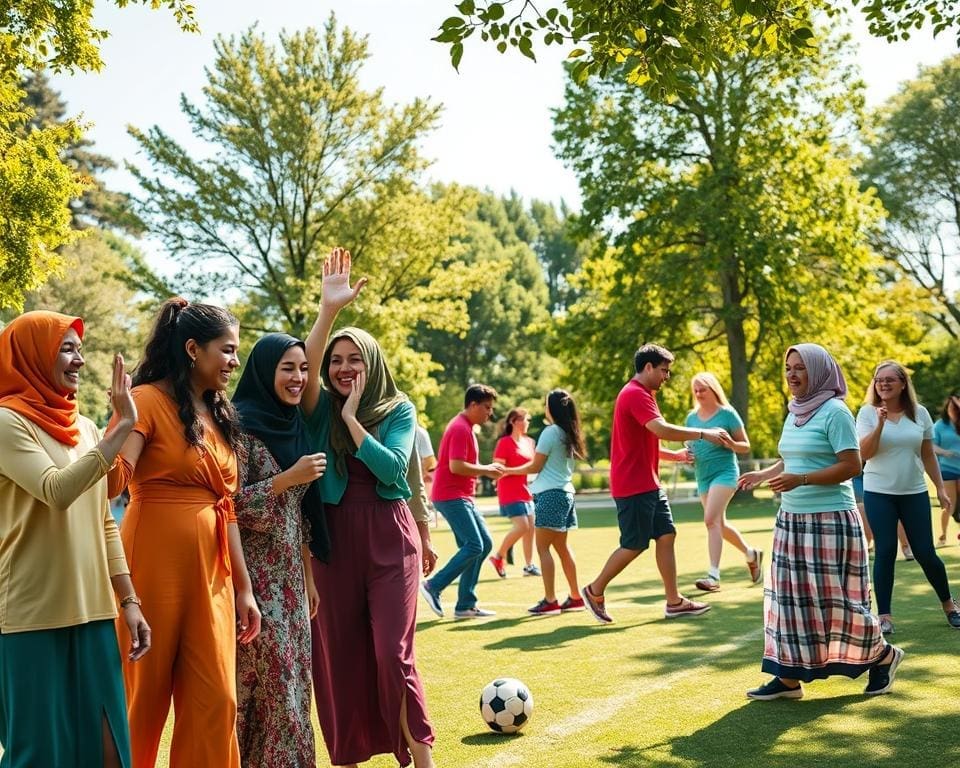
Inclusivity plays a pivotal role in the realm of recreational sports, making these activities accessible to individuals from all walks of life, regardless of background or ability. By fostering an environment of diversity in sports, communities can encourage participation from a multitude of demographics, bridging social divides and nurturing friendships across various barriers. This unique aspect of recreational sports enriches the social fabric of localities, creating a sense of belonging for everyone involved.
Numerous organisations are spearheading initiatives aimed at enhancing community access to sports for underrepresented groups. These efforts often involve tailored programmes and resources designed to accommodate the specific needs of participants, ensuring that everyone has the opportunity to engage in recreational activities. As these groups begin to see themselves reflected in the sporting landscape, they not only gain confidence but also foster connections with others who share similar passions.
By prioritising inclusivity in recreational sports, we cultivate environments that thrive on collaboration and respect for diversity. This not only strengthens social connections but also enriches the overall cultural landscape of our communities. Ultimately, the commitment to inclusive practices within sports lays the foundation for a more interconnected society, where individuals feel seen, valued, and empowered to participate fully.