
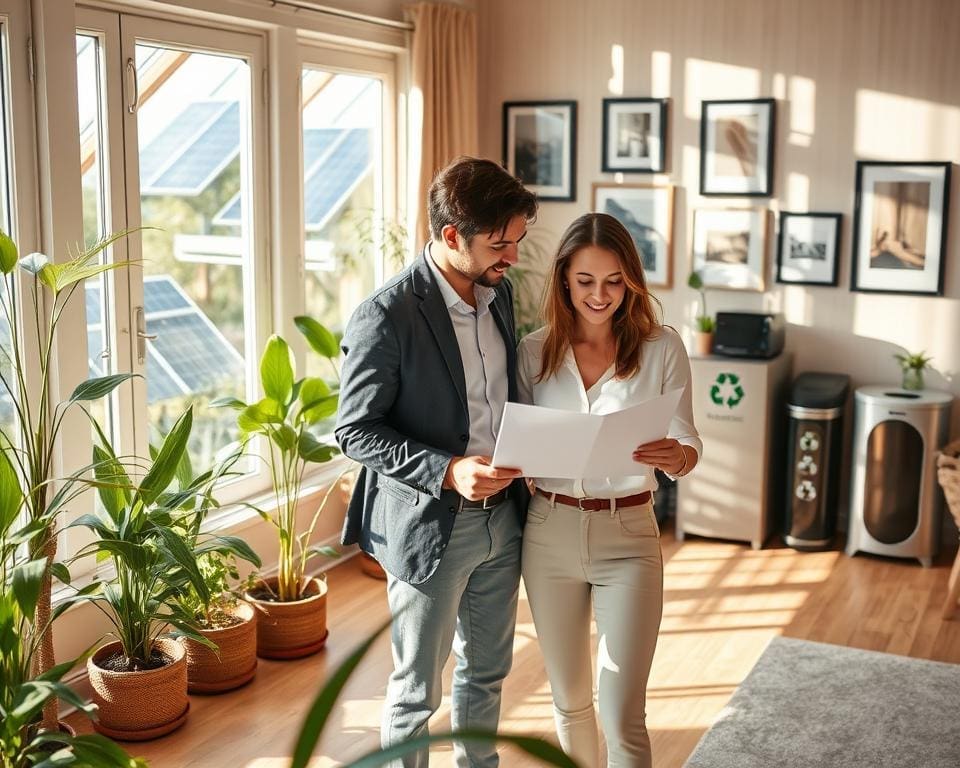
Across the UK, homeowners are asking a simple question: why do homeowners invest in sustainable upgrades? Rising energy prices and clearer rules on emissions make the choice urgent. The UK Government’s net zero by 2050 target, together with shifts in mortgage and insurance markets, means UK home sustainability is no longer optional for many.
Practical motives drive action. Energy-saving home upgrades cut bills and improve resale prospects. Eco-friendly home investment can increase marketability to buyers who value lower running costs and modern, efficient systems.
Beyond finance, there are health and comfort gains. Better insulation and ventilation mean warmer rooms and improved indoor air quality. For many households, sustainable home improvements also answer a moral impulse to reduce carbon footprint and support local and national climate goals.
This article will explore those reasons in more detail and show how thoughtful, informed choices today can make homes more resilient, comfortable and valuable tomorrow.
Why do homeowners invest in sustainable upgrades?
Homeowners choose sustainable upgrades for a mix of practical and ethical reasons. Improved insulation, modern heating and simple controls cut annual energy consumption. That lowers utility costs and helps reduce energy bills while making homes more comfortable to live in.
Financial motivations: reducing bills and increasing resale value
Loft and cavity wall insulation often cut heating demand substantially, producing clear energy bills savings within months. Modern condensing boilers, A++ heat pumps and zoned heating controls can reduce heating expenses by significant percentages compared with older systems. Solar PV panels paired with battery storage deliver long-term savings and can pay back in roughly 7–12 years depending on system size and export arrangements.
Valuation evidence shows buyers in the UK factor running costs into offers. Properties with stronger energy performance attract better prices and quicker sales, supporting property resale value UK. Lenders such as Nationwide and HSBC have introduced incentives that illustrate growing interest from mortgage providers; green mortgages UK can offer preferential rates for efficient homes.
Environmental responsibility and lowering carbon footprint
Household heating and electricity are major contributors to UK home emissions. Switching to heat pumps, rooftop solar and improved insulation cuts home carbon emissions and helps lower carbon footprint at scale.
When many households retrofit, the cumulative effect supports national net zero goals and reduces peak demand on the grid. Displacing fossil-fuel heating also improves local air quality and aligns with community sustainability plans.
Comfort and health improvements for occupants
Better insulation and draught-proofing stabilise indoor temperatures, reduce cold spots and eliminate condensation. Those changes enhance indoor comfort and make homes easier to heat efficiently.
Improved ventilation, including MVHR systems, boosts indoor air quality and helps with mould prevention. Reducing damp and mould brings important home health improvements, lowering respiratory and asthma risks. Upgrades to glazing and wall insulation can also improve soundproofing, aiding sleep and general wellbeing.
Access to incentives, grants and favourable financing
Homeowners can combine UK green grants and home retrofit grants with private finance to reduce upfront costs. Current schemes include Energy Company Obligation support, local authority grants, the Boiler Upgrade Scheme and council-level incentives. The boiler upgrade grant helps cover heat pump costs for eligible households.
Green mortgages UK, retrofit loans and offers from energy suppliers or MCS-accredited installers provide tailored finance. Homeowners should check eligibility, seek accredited installers and consider whole-house planning so ROI sustainable upgrades is maximised and piecemeal work is avoided.
Practical tip: obtain an energy audit or domestic retrofit assessment to prioritise measures with the best payback. Thoughtful planning delivers stronger ROI sustainable upgrades, greater energy bills savings and a more resilient, healthy home ready for sustainable living.
Common sustainable upgrades that deliver the greatest return
Upgrading a home can cut bills, boost comfort and lift resale appeal. This short guide walks through the most effective measures for a practical home retrofit. Each option pairs well with others, so combining insulation, efficient heating and solar PV system work best for long-term gains.
Insulation and draught-proofing for year-round comfort
Loft insulation, cavity wall insulation and floor insulation are the quickest ways to reduce heat loss. Loft insulation can halve heat escape through the roof, while cavity wall insulation often improves U-values from around 1.5 W/m²K to 0.6 W/m²K or better.
Older homes with solid masonry benefit from internal or external solid wall insulation. These options cut heat loss substantially but carry higher upfront costs and may need planning or external finishing. A professional survey will recommend vapour control and the right U-value targets.
Simple draught-proofing such as door and window seals, letterbox brushes and chimney draught excluders gives fast returns. These low-cost measures reduce cold spots and work with double or triple glazing to improve comfort.
High-efficiency heating and cooling: boilers, heat pumps and smart systems
Condensing boilers remain a solid upgrade for many households, with typical lifespans of 10–15 years. Air-source and ground-source heat pumps last 15–20+ years and produce lower carbon heating when paired with renewables or a cleaner grid.
Heat pumps UK installations require careful sizing, plus low-temperature radiators or underfloor heating for best performance. Grants such as the Boiler Upgrade Scheme help offset costs. Use MCS-certified installers and carry out heat loss calculations before fitting.
Efficient heating systems work best with a smart thermostat and zone controls. Products like Google Nest and Hive cut wasted heating by learning routines and offering remote control. These controls increase savings from both boilers and heat pumps.
Solar photovoltaic panels and battery storage
Solar panels UK convert rooftop sunlight into electricity, reducing grid imports. A well-sized PV system with battery storage boosts self-consumption and offers resilience during outages. Home energy storage such as Tesla Powerwall or SolarEdge-compatible batteries can capture excess generation for evening use.
Solar ROI UK depends on system size, roof orientation and household demand. Falling battery prices shorten payback periods, especially when paired with heat pumps and EV charging. Choose between string inverters and microinverters based on shading and layout, and use MCS-certified installers for warranty protection.
Water-saving measures and sustainable landscaping
Water-saving devices like low-flow showerheads, dual-flush toilets and aerating taps lower mains use and cut hot-water energy. Efficient appliances with high ratings reduce water and electricity together.
Rainwater harvesting and greywater systems can supply garden irrigation and toilet flushing, reducing mains demand. Sustainable drainage, permeable paving and rain gardens limit runoff and help local flood resilience.
Drought-tolerant planting and no-dig gardens improve biodiversity and reduce maintenance. Combining these measures with a considered home retrofit improves ecological value and everyday resilience.
- Survey before major works; consult BRE guidance and TrustMark or MCS-certified tradespeople.
- Pair insulation, efficient heating and solar PV system for the strongest long-term returns.
- Small interventions like draught-proofing and water-saving devices give fast wins while larger projects deliver sustained savings.
How sustainable upgrades affect property value and marketability
Energy improvements shape buyer choices and pricing in clear ways. Lower running costs and better comfort appeal to younger and eco-aware buyers. In the UK housing market energy efficiency now factors into lifetime cost calculations, not just headline sale price.
Valuers and estate agents weigh several items when estimating worth. An improved EPC rating UK, documented MCS or TrustMark installations, and projected energy bills feed into comparable evidence. Research shows that energy-efficient homes can command a price premium and often spend less time on the market.
Not every upgrade guarantees a higher valuation. Local demand, quality of work and clear paperwork matter hugely. Poorly executed measures that raise maintenance questions can put buyers off, while certified, well-documented works reassure mortgage lenders and purchasers.
Valuation considerations and buyer perception in the UK market
Appraisers look for proof of performance when assessing market green home features. Certified installations, warranties and pre-sale energy assessments strengthen a seller’s case. Buyers tend to value homes where lower bills are evidenced, particularly in competitive neighbourhoods.
Victorian terraces with sensitive retrofit work often attract more interest than identical unretrofitted properties. New-builds with high SAP or EPC ratings are marketed as lower-cost-to-run, drawing premium bids from cost-conscious buyers.
Energy Performance Certificates (EPCs) and regulatory trends
The EPC provides a simple A–G snapshot of a property’s energy profile. Lenders, buyers and advisers use it to judge expected running costs. Minimum Energy Efficiency Standards and MEES already set rules for rentals, and UK retrofit regulations are evolving to push standards higher for many properties.
Policy signals suggest tighter requirements over the coming decade. Landlords face legal duties now, while owner-occupiers should plan for future rules that will raise market expectations and influence retrofit decisions.
Marketing sustainable features to eco-conscious buyers
Sellers should present clear, quantified claims when selling eco home features. Highlight the EPC rating UK, installation certificates, warranties and estimated annual savings in listings. Professional photos of PV arrays, insulation or heat pumps help buyers visualise benefits.
- List MCS or TrustMark certificates and any grant paperwork;
- Include annual kWh generation estimates for solar and expected bill reductions;
- Use agents and portals known for green marketing property to reach the right audience.
Targeting comfort and health benefits widens appeal beyond strictly environmental buyers. Credibility comes from documentation, pre-sale energy reports and clear warranties. Positioning upgrades as future-proofing against rising costs and tighter UK retrofit regulations resonates with buyers who plan to stay long term.
Practical steps for homeowners considering sustainable investments
Start with a home energy audit or a whole-house retrofit roadmap from accredited assessors, such as certified Domestic Energy Assessors or PAS 2035 retrofit coordinators. A professional assessment helps you learn how to retrofit home effectively by prioritising measures that suit your property and by creating a sustainable upgrade checklist you can follow.
Set clear goals and a realistic budget before work begins. Decide whether you aim to cut bills, lower carbon emissions or increase resale value, and plan staged retrofit steps UK to match long-term aims — for example, making a property heat-pump ready when replacing an ageing boiler. Small, sequenced actions often deliver the best balance of cost and impact.
Explore funding and incentives early: local authority grants, the Boiler Upgrade Scheme and ECO remain useful for many households, and green mortgage or supplier finance can help spread costs. Choose accredited professionals with TrustMark or MCS registration, seek multiple quotes, check references and keep warranties and aftercare in writing. For complex projects, engage a retrofit coordinator or a chartered surveyor.
Take a whole-house view so insulation, ventilation, heating and renewables work together; poor ventilation after airtightening is a common pitfall. Install monitoring — smart meters and generation monitoring — to track performance and prove outcomes. Keep all certificates and paperwork organised to show future buyers or lenders the value of upgrades on your sustainable upgrade checklist. With informed planning and accredited installers, practical retrofit steps UK can turn a house into a comfortable, lower-cost and lower-carbon home that buyers and the climate will welcome.