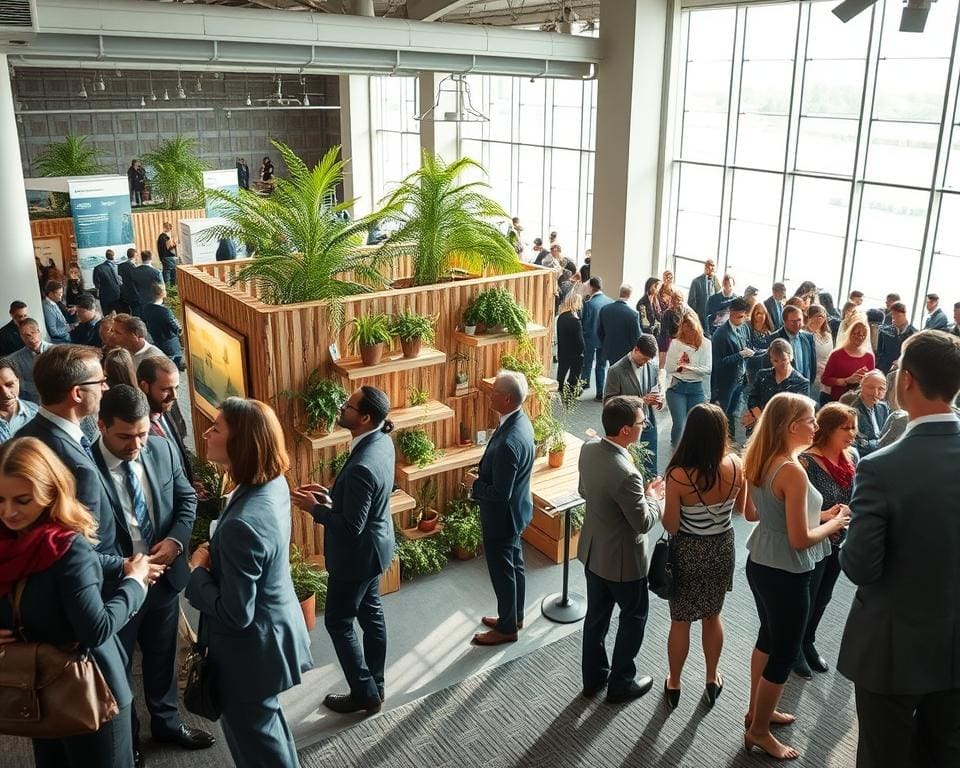
In today’s world, the events industry is undergoing a significant transformation driven by a heightened awareness of environmental impact and the urgent need for sustainability. Exhibitors are increasingly prioritising sustainable event solutions, recognising that these practices not only enhance their brand reputation but also align with the growing expectations of stakeholders. As we confront the challenges posed by climate change, the adoption of sustainable methodologies has become essential for organisations aiming to excel in event sustainability. The Global Association of the Exhibition Industry (UFI) notes that sustainable practices can profoundly influence participants’ decisions, making it imperative for exhibitors to embrace this shift. With the events sector contributing approximately 1.5 billion tons of CO2 annually, the call for responsible practices has never been more pressing.
Understanding Sustainable Event Solutions
Sustainable event solutions refer to practices and strategies aimed at minimising environmental impact while promoting social responsibility. The importance of sustainability has surged in recent years, propelled by a growing consumer demand for eco-friendly solutions. Events that embrace sustainable principles not only reduce their carbon footprint but also enhance their reputation, aligning with the values of environmentally conscious attendees.
Definition and Importance
Understanding the sustainable event solutions definition is crucial for organisers looking to adapt to modern expectations. These initiatives incorporate aspects such as reducing waste, utilising sustainable materials, and engaging in responsible sourcing. The importance of sustainability in events cannot be overstated, as studies indicate that a significant percentage of consumers prefer brands that actively demonstrate commitment to environmental stewardship.
The Evolution of Event Sustainability
The event sustainability evolution reflects a progressive change in how events are planned and executed. Initially focused on basic recycling initiatives, the industry has now adopted comprehensive strategies like carbon offsetting and enhancing transportation options. Organisations such as the International Organisation for Standardisation have established standards for event sustainability, reinforcing its critical role in the future of green events.
Why do exhibitors focus on sustainable event solutions?
In an era where environmental responsibility is paramount, exhibitors recognise the necessity of prioritising sustainability within their events. The traditional approach often leads to considerable waste and carbon emissions, prompting a shift towards more eco-friendly practices. This transformation aligns with growing expectations from both the public and industry stakeholders.
Environmental Impact and Responsibility
Exhibitors focus on sustainability as a response to the pressing environmental challenges facing our planet. By adopting sustainable event solutions, they can play a significant role in minimising their ecological footprints. Such dedication not only fosters a healthier environment but also resonates with attendees who prioritise green initiatives. With increasing awareness of climate change, the responsibility to act has never been clearer.
Meeting Industry Standards and Regulations
The adherence to industry standards and regulations for events further compels exhibitors to embrace sustainable practices. Legislative frameworks, such as the UK Government’s commitment to net-zero carbon emissions by 2050, create a structured environment where compliance is essential. Exhibitors are now seeking certifications like the Event Sustainability Management System (ESMS) to demonstrate their compliance and commitment. This shift signals a broader trend within the industry, where sustainable practices are not merely optional but a requirement for successful event management.
Enhancing Brand Reputation through Sustainability
In today’s market, a strong brand reputation hinges on a company’s commitment to sustainability. As consumers become more mindful of environmental issues, the demand for transparency in business practices grows. Engaging in sustainable event solutions not only showcases a corporate commitment to social responsibility but also facilitates the development of sustainability trust among consumers.
Building Trust and Credibility
Research illustrates that businesses with dedicated sustainability initiatives experience a significantly higher brand reputation. Trust builds when companies demonstrate a genuine commitment to eco-friendly practices. This commitment fosters credibility through sustainability, reinforcing customer loyalty and encouraging word-of-mouth promotion.
Attracting Environmentally Conscious Attendees
As the demographic of environmentally conscious attendees rises, brands aligning with sustainable values capture a larger audience share. Millennials and Gen Z consumers, in particular, prefer brands that genuinely support eco-friendly initiatives. Adapting marketing strategies to include sustainable practices effectively positions companies to appeal to this growing market segment.
Cost-Effectiveness of Sustainable Practices
Cost-effectiveness sustainability remains a pivotal aspect for exhibitors aiming to balance their environmental impact with financial viability. Sustainable practices can lead to significant savings through effective waste reduction and enhanced resource efficiency. By adopting eco-friendly strategies, exhibitors can optimise their operations while achieving fiscal benefits.
Reducing Waste and Resource Efficiency
Reducing waste not only minimises environmental footprints but also diminishes disposal costs, fostering an environment of resource efficiency. For instance, the adoption of digital ticketing systems can significantly decrease paper usage. This simple yet effective strategy showcases how sustainability can align with cost considerations, demonstrating that eco-friendly practices are synonymous with long-term operational savings.
Long-Term Financial Benefits
Investing in sustainable solutions brings forth extensive financial benefits of sustainability. These practices can nurture increased customer loyalty as attendees gravitate towards brands committed to ethical standards. As customer engagement grows, so too do profit margins. The focus on sustainability leads to improved operational efficiencies, which compound over time, resulting in notable financial returns.
Innovation and Technological Advancements in Events
The landscape of events is undergoing a significant transformation driven by innovation. Emphasising sustainability has become critical for exhibitors as they strive to create memorable experiences while minimising their environmental footprint. This section delves into how eco-friendly materials and digital solutions play an essential role in achieving technological advancements in sustainability.
Utilising Eco-Friendly Materials
Exhibitors are increasingly opting for eco-friendly materials to enhance sustainability in events. By integrating biodegradable packaging, sustainable furniture, and recyclable decorations, they significantly reduce their environmental impact. Companies committed to innovation in events, such as Eco-Exhibits, set the benchmark for creating setups that not only meet aesthetic demands but also adhere to eco-conscious practices. Utilising these materials demonstrates a commitment to sustainability while inspiring others in the industry to follow suit.
The Role of Digital Solutions
Digital solutions in events have reshaped how businesses connect with their audiences. The rise of virtual events and online marketing strategies enables exhibitors to reach broader demographics without the substantial environmental costs associated with traditional gatherings. Alongside technological advancements, sustainability has become intertwined with digital innovation. Embracing these advances streamlines operations and enhances overall efficiency, aligning perfectly with eco-conscious initiatives.
The Future of Events: Trends in Sustainability
As we look ahead to the future of events, a distinct shift is evident towards embracing sustainability trends. The integration of cutting-edge technologies like artificial intelligence and big data is revolutionising the event industry. These tools not only enhance attendee experiences but also contribute to significant waste reduction, paving the way for more sustainable events that resonate with the environmentally conscious audience of today.
Moreover, hybrid event models are set to reshape the landscape of gatherings. By merging in-person and virtual participation, organisers can offer greater flexibility while minimising carbon footprints. This evolution inevitably aligns with the broader societal movement towards sustainability, marking a proactive response to climate concerns and demonstrating a commitment to eco-friendly practices in the event industry future.
In addition to technological innovations, it’s anticipated that regulatory policies focusing on sustainability will become increasingly stringent. These guidelines will drive the event sector towards adopting comprehensive eco-friendly initiatives, ensuring the sustainability ethos is woven into the very fabric of event planning. As the future of events unfolds, it becomes clear that the path to success lies in embracing sustainable practices that not only fulfil consumer expectations but also reflect a deeper commitment to environmental stewardship.