In today’s fast-paced world, the importance of mental well-being cannot be overstated. Active hobbies play a crucial role in mental health support, offering various benefits that extend beyond mere enjoyment. According to the World Health Organisation, mental health issues affect millions globally, emphasising the need for effective strategies to enhance one’s well-being. Engaging in physical activities such as swimming, hiking, or dancing not only boosts physical fitness but also fosters a positive mindset. This article will explore how these active hobbies contribute significantly to mental well-being and encourage a healthier lifestyle.
The Importance of Mental Well-being
Mental well-being represents a foundational pillar of an individual’s overall health. Understanding its significance requires a comprehensive view of mental health as a dynamic and multifaceted concept. The importance of mental well-being extends beyond merely avoiding mental disorders; it encompasses a state of positive psychological health, emotional resilience, and effective coping mechanisms. This holistic approach is essential for navigating life’s challenges and stresses.
Understanding Mental Health
Mental health is defined by several key attributes including emotional stability, cognitive function, and the ability to handle stress effectively. Enhancing psychological health is integral to developing coping skills that fortify individuals against life’s inevitable ups and downs. Emphasising this aspect of health encourages individuals to seek support and engage in practices that bolster their mental resilience.
Factors Affecting Mental Well-being
Several well-being factors contribute to mental health, which can originate from genetic predispositions, environmental influences, and personal life circumstances. An array of external conditions, such as relationships and community support, undoubtedly impacts psychological health. Research conducted by organisations like Mind and the Mental Health Foundation reveals that proactive involvement in activities, especially active hobbies, can mitigate declines in mental well-being.
What Are Active Hobbies?
Active hobbies encompass a wide range of engaging activities that encourage movement and interaction. These activities can be categorised into various types that not only promote physical activity but also contribute to overall mental and emotional well-being. Embracing active hobbies allows individuals to shake off the constraints of a sedentary lifestyle, enriching their leisure time with vitality and purpose.
Examples of Active Hobbies
There are numerous types of active hobbies to consider, catering to different interests and skill levels. Here are a few popular examples:
- Sports, such as football, basketball, or tennis
- Outdoor activities like hiking, cycling, or rock climbing
- Dance classes encompassing styles like salsa, ballet, or hip-hop
- Fitness activities including yoga, Pilates, or swimming
Each of these pursuits offers opportunities for physical activity that energise the body and ignite the spirit, providing valuable social interactions along the way.
Physical Activity vs. Sedentary Leisure
When considering leisure activities, it is crucial to differentiate between active engagement and a sedentary lifestyle. While activities such as binge-watching television, playing video games, or scrolling through social media may be enjoyable, they often lack the benefits that come from movement. Research indicates that opting for physical activity as a hobby fosters cognitive function, enhances mood, and strengthens social bonds. Transitioning from sedentary leisure to active hobbies offers a fulfilling way to improve one’s quality of life.
Why do active hobbies support mental well-being?
Engaging in active hobbies offers profound improvements to mental health, backed by compelling scientific evidence. Mental well-being studies consistently reveal that regular participation in physical activities significantly mitigates feelings of anxiety and depression. The benefits of active hobbies extend far beyond physical fitness; they encompass psychological resilience and emotional stability.
Scientific Evidence Behind Active Hobbies
Research published in the Journal of Mental Health and various peer-reviewed journals highlights a strong correlation between active hobbies and enhanced mental health. Exercise stimulates the release of endorphins, known as the body’s natural mood lifters. Findings suggest that individuals partaking in consistent physical activities report improved self-esteem and reduced levels of stress. Many mental well-being studies demonstrate that those who actively engage in hobbies experience lower symptoms of anxiety, promoting a more balanced emotional state.
Personal Stories and Testimonials
Beyond the numbers, personal experiences serve as powerful testimonies to the life-changing impact of active hobbies. Individuals from diverse backgrounds share stories that reflect transformation and renewal through physical engagement. Many describe how their pursuits—be it dancing, cycling, or team sports—have not only fostered connections but also provided a sense of purpose. These testimonials encourage others to explore the benefits of active hobbies, proving that taking the plunge often leads to unexpected joy and fulfilment.
The Connection Between Physical Activity and Mental Health
Physical activity serves as a powerful tool in enhancing mental well-being. The relationship between exercise and mental health is deeply rooted in the biochemical processes that occur within the brain. This section explores how neurotransmitters such as serotonin and dopamine play pivotal roles in regulating mood, while also delving into the exercise benefits that contribute to mood enhancement.
Neurotransmitters and Their Role
Neurotransmitters are chemical messengers that facilitate communication between nerve cells. Among these, serotonin and dopamine are especially notable for their influence on mood. Engaging in regular physical activity stimulates the release of these neurotransmitters, leading to a cascade of positive feelings. As serotonin levels increase, individuals often experience a reduction in anxiety and depression, fostering a sense of calm and happiness. Similarly, the release of dopamine enhances motivation and contentment, underscoring the profound connection between exercise and emotional health.
Benefits of Exercise on Mood
The exercise benefits go beyond mere physical improvements. Regular engagement in physical activity can lead to significant mood enhancement, even when the activity is of moderate intensity. Benefits include:
- Increased energy levels, contributing to a more positive outlook.
- Improved sleep quality, which directly affects emotional resilience.
- Enhanced cognitive function, aiding in stress management and decision-making.
Research underscores that consistent physical activity serves not just as a means of staying fit, but as a crucial element in maintaining mental health. By fostering the release of neurotransmitters associated with pleasure and satisfaction, exercise emerges as a vital component in nurturing overall well-being.
Social Interaction Through Active Hobbies
Engaging in active hobbies provides a valuable opportunity for social interaction, which forms the backbone of a supportive community. Collective participation in activities not only nurtures friendships but also plays a crucial role in reducing loneliness. This section delves into the community benefits derived from active hobbies and their significant impact on fostering connections.
The Value of Community
Active participation in group-based activities, such as team sports or community classes, fosters a sense of belonging. Individuals who engage in these interactions often find themselves enveloped in a network of support, enhancing their social skills and emotional resilience. The structured environment of a hobby group encourages individuals to connect, collaborate, and communicate effectively, which amplifies the pleasure derived from their shared interests.
Building Relationships and Reducing Loneliness
Through active hobbies, participants experience repeated social interactions that help forge lasting friendships. Studies indicate that those involved in community activities experience lower levels of isolation. The companionship found in these settings counteracts feelings of loneliness. Additionally, shared accomplishments within hobby groups strengthen bonds, promoting a culture of support and encouragement. A vibrant community formed through active participation leads to an enriched mental state and an overall improvement in well-being.
Active Hobbies as a Form of Stress Relief
Active hobbies provide a valuable means of achieving stress relief by engaging both the body and mind. Participating in physical activity has shown to trigger physiological changes that significantly impact cortisol levels, the hormone primarily responsible for stress. Regular involvement in these hobbies not only aids in reducing stress but also promotes an overall sense of well-being.
Physical Activity and Cortisol Levels
Engaging in physical activities, such as running, cycling, or dance, leads to the release of endorphins, often referred to as ‘feel-good’ hormones. These endorphins help to mitigate elevated cortisol levels caused by stress. As activities increase in intensity, the body learns to effectively manage its response to stressors, ultimately leading to improved resilience. This interplay between physical activity and the reduction of cortisol levels creates a foundation for fostering a healthier mindset.
Mindfulness and Active Engagement
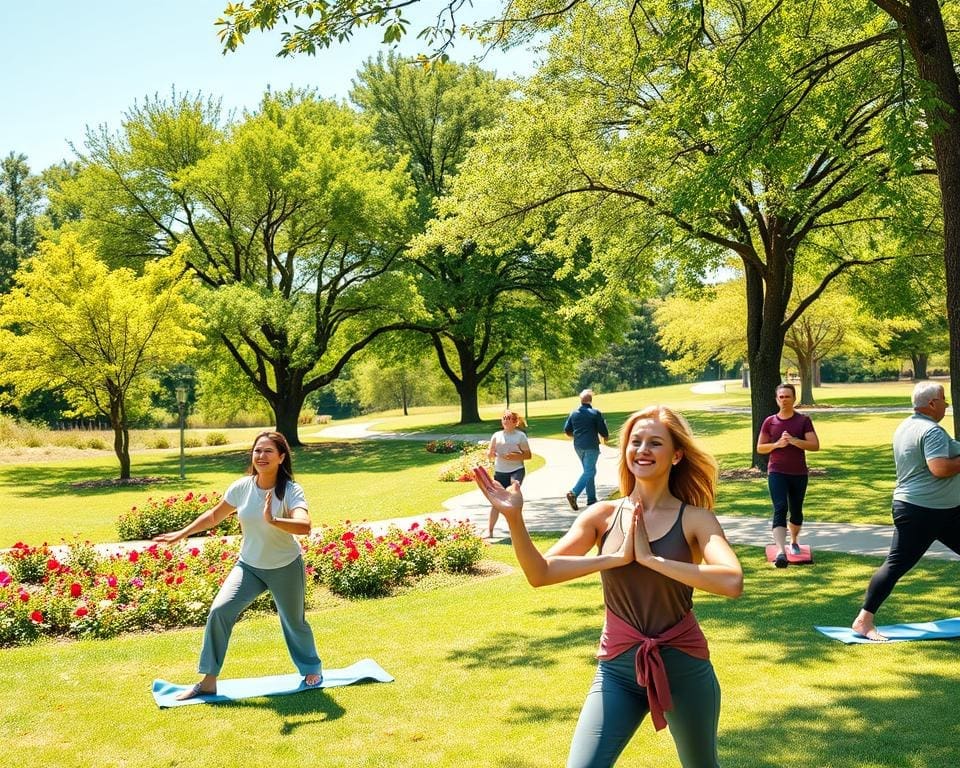
Active hobbies also promote mindfulness through direct engagement in the moment. Activities like yoga or tai chi not only encourage movement but also require concentration on breath and form. This focus facilitates a mental escape from daily worries. By immersing oneself in the present, participants naturally cultivate a form of mindfulness that effectively addresses stress. The combination of physical exertion and mental clarity allows individuals to experience profound relaxation, making active hobbies essential in the pursuit of emotional balance.
Creating a Balanced Routine with Active Hobbies
Incorporating active hobbies into a busy lifestyle can be a fulfilling endeavour. By adopting a balanced routine, individuals can enhance their mental well-being while managing daily life activities. This requires thoughtful integration of hobbies and a commitment to set realistic goals that align with personal schedules.
Integrating Hobbies into Daily Life
Finding ways to engage in active hobbies amidst a busy schedule can seem daunting. It is vital to make the most of the available time without sacrificing essential responsibilities. Here are a few strategies:
- Identify small pockets of time during the day.
- Incorporate hobbies into family activities, such as hiking or cycling.
- Explore new hobby opportunities that fit into existing routines.
- Be flexible and adjust hobby participation based on daily commitments.
Setting Realistic Goals for Participation
Establishing achievable participatory goals encourages consistency and enthusiasm in active hobbies. Setting realistic goals allows for motivation while embedding these hobbies into a balanced routine. Consider the following tips:
- Start with short sessions and gradually increase duration.
- Track progress to maintain motivation.
- Make goals specific, measurable, achievable, relevant, and time-bound (SMART).
- Celebrate achievements, no matter how small.
Getting Started with Active Hobbies
Embarking on the journey of starting active hobbies can be a life-changing decision that contributes significantly to your mental well-being. To make the most of this experience, it’s essential to identify your personal interests and preferences. This step ensures that the commitment you make aligns with your passions, enhancing your likelihood of long-term engagement and enjoyment.
One of the first hobby tips for beginners is to set small, manageable goals. Instead of overwhelming yourself with ambitious targets, begin with simple activities that can be gradually increased in intensity. Such an approach not only builds your confidence but also fosters a sense of accomplishment as you progress. Engaging in local clubs or community events, often organised by organisations like the National Health Service, is a fantastic way to connect with like-minded individuals while exploring various hobbies.
Employ effective engagement strategies by trying out different activities before settling on a favourite. From joining a walking group to participating in local sports leagues, the options are plentiful. Stay motivated by surrounding yourself with supportive friends or family members who share your enthusiasm. Becoming active in a community setting not only enriches your experience but also helps cultivate strong social networks, making the process all the more rewarding.