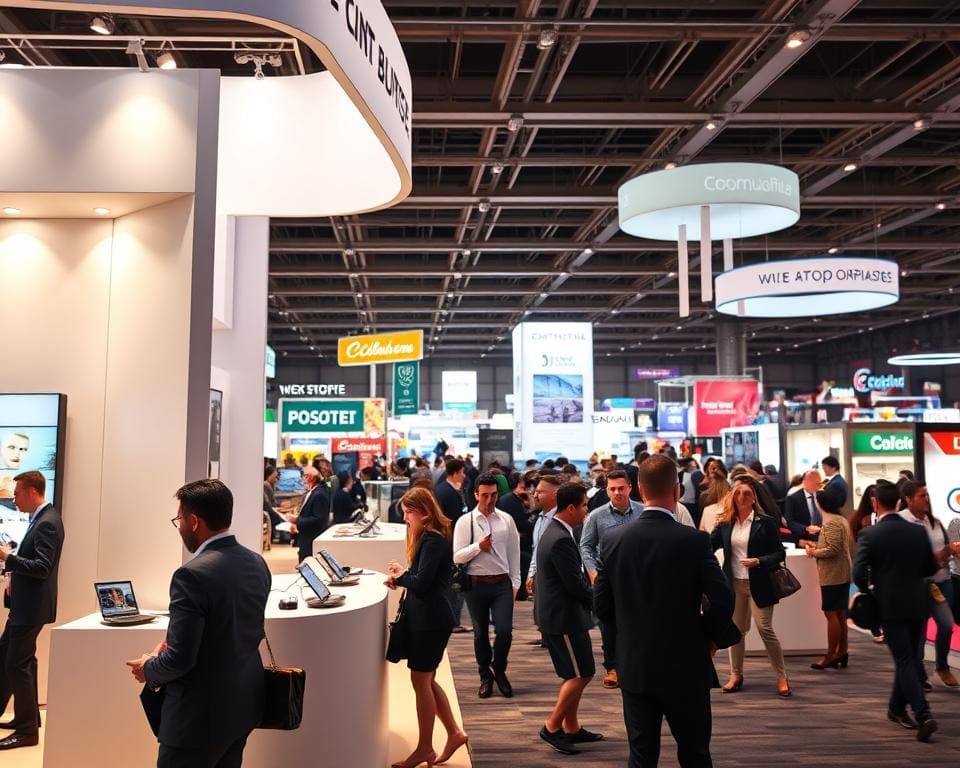
In today’s competitive landscape, the importance of well-designed booths in shaping brand perception cannot be overstated. Exhibition design plays a vital role in event marketing, serving as a physical manifestation of a company’s values and identity. A booth is often the first point of contact between a brand and its potential customers, making a powerful first impression essential. Through thoughtful design, brands can create memorable experiences that resonate with attendees, influencing their perceptions and fostering loyalty.
The visual appeal and strategic layout of these booths are key elements that contribute to brand identity. A compelling design not only captures attention but also differentiates a brand from its competitors, establishing a unique presence in a bustling exhibition environment. By prioritising quality and innovation in booth design, companies can effectively engage their target audiences and cultivate an emotional connection that lasts long after the event.
The Impact of First Impressions on Brand Identity
First impressions play a vital role in shaping a brand’s identity, particularly in high-stakes environments such as trade shows or exhibitions. Captivating potential customers from the outset can create a ripple effect that enhances their understanding and perception of a brand. Crafting a memorable experience through thoughtful booth design becomes essential in standing out amidst the competition.
Creating a Memorable Experience
Engaging visitors in a unique manner can significantly influence their experience of a brand. An inviting booth atmosphere fosters connections that go beyond a mere product display. Elements such as interactive installations or live demonstrations encourage people to immerse themselves in the brand’s narrative. By prioritising event engagement, brands create lasting impressions that resonate well beyond the event.
The Visual Appeal that Captivates
The visual appeal of a booth significantly impacts first impressions. Striking colours, strategic logo placement, and cohesive aesthetics all contribute to an engaging presence. Research indicates that well-designed visuals not only attract attention but also leave a lasting memory. Brands renowned for their innovative designs, such as Apple and Red Bull, exemplify how captivating visuals can elevate brand identity, enticing customers to learn more and make informed purchasing decisions.
Why are well-designed booths crucial for brand perception?
In the competitive landscape of trade shows and exhibitions, well-designed booths play a vital role in shaping brand perception. An engaging booth not only draws attendees but also nurtures a meaningful connection with the target audience. This connection is essential for converting interest into lasting relationships.
Enhancing Engagement with Target Audiences
Design elements that invite participation significantly enhance engagement levels. An open layout, interactive displays, and comfortable seating encourage visitors to linger longer and explore. When brands actively engage their target audience, they foster a sense of belonging and community. This interaction creates emotional ties that resonate well beyond the event itself.
Showcasing Brand Values and Messages
A booth serves as an essential platform for communicating brand values effectively. By integrating key messaging through visual elements and storytelling, brands present a cohesive narrative that aligns with their identity. For instance, brands like Nike often utilise their booth space to illustrate their commitment to sustainability and innovation. Such portrayals not only attract attention but also enhance brand perception, making clear what the brand stands for.
The Role of Functionality in Booth Design
Functionality plays a pivotal role in booth design. A well-planned booth not only attracts visitors but also enables them to interact with the various elements effectively. This approach revolves around space optimisation, ensuring that every inch is leveraged to foster engaging experiences. Increased foot traffic can result from streamlined layouts that promote easy navigation while allowing for meaningful interactions with product displays, staff, and informative resources.
Optimising Space for Interaction
Effective booth design prioritises space optimisation to enhance visitor interaction. By designing functional zones, exhibitors can create distinct areas showcasing products, engaging with attendees, and facilitating demonstrations. This thoughtful layout encourages attendees to explore the booth, drawing them into informative discussions and experiential learning. Ensuring paths are clear and inviting maximises engagement opportunities, creating memorable connections with the brand.
Incorporating Technology for Modern Appeal
Technology integration transforms traditional booth experiences into dynamic showcases. The inclusion of interactive elements, such as touchscreens, augmented reality, and virtual product demonstrations, not only captivates visitors but also highlights a brand’s commitment to innovation. Companies like Samsung exemplify this strategy, using cutting-edge technology to captivate audiences while illustrating their latest advancements. By embracing this modern appeal, brands can differentiate themselves and resonate deeply with contemporary consumers.
Consistency in Branding Across Touchpoints
In today’s competitive landscape, maintaining branding consistency across all touchpoints is vital for establishing a strong brand identity. A well-designed booth not only highlights a brand’s offerings but also embodies its core values, ensuring both aesthetics and messaging remain unified throughout the customer journey. This approach fosters an environment where visitors can easily recognise and connect with the brand.
Unified Aesthetics and Messaging
Unified aesthetics play a crucial role in reinforcing the overall brand strategy. By aligning the visual elements of the booth with the brand’s established colours, typography, and logo, companies can create a cohesive experience that resonates with attendees. A booth designed with *branding consistency* in mind reflects a meticulous attention to detail and a commitment to maintaining high-quality standards. Such an approach ensures that every interaction, whether face-to-face or digital, mirrors the brand’s identity.
Reinforcing Brand Recall
Effective *marketing strategies* heavily rely on the ability of a brand to remain memorable in the minds of consumers. A consistent presence across various touchpoints contributes significantly to stronger brand recall. Companies like Coca-Cola demonstrate how a unified approach, integrating colours, logos, and messaging, can create enduring connections with their audience. As visitors engage with the booth, they experience an environment where their familiarity with the brand is deepened, leading to enhanced recognition long after the event concludes.
Case Studies of Successful Booth Designs
Examining case studies of successful booth designs reveals how brands such as Google and Intel have revolutionised event marketing through innovative strategies. At the Consumer Electronics Show (CES), Google’s booth exemplified creativity by incorporating advanced technology that enticed visitors and fostered an engaging user experience. This careful design not only attracted significant foot traffic but also contributed to building positive brand perception and loyalty.
Intel showcased its brand strategy by integrating dynamic multimedia displays that captured the attention of event attendees. Their thoughtful approach to booth design emphasised functionality while reinforcing brand values, illustrating that impactful visuals coupled with interactive elements can lead to memorable experiences. Such case studies underline the vital role of creativity and strategic messaging in crafting booths that resonate with audiences.
The insights gained from these successful booth designs can inspire businesses seeking to elevate their presence in competitive markets. By focusing on unique designs that blend technological innovation with the essence of their brand strategy, companies can enhance engagement and ultimately strengthen their market position. These examples serve as a blueprint for organisations aiming to maximise their impact during events through compelling and visually striking booth designs.