
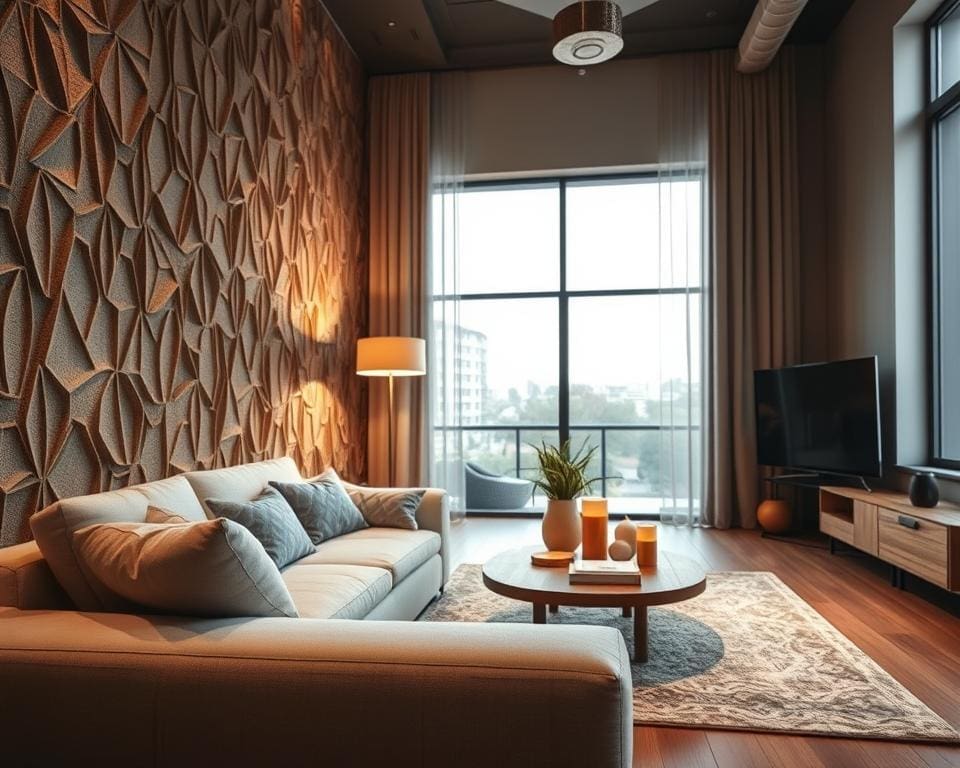
Across the United Kingdom, homeowners and designers are asking one clear question: Why are textured wall finishes trending? Recent coverage in Elle Decoration UK and House & Garden highlights a shift from flat, minimal paint toward material-led interiors that celebrate tactility and depth.
Market data from Houzz UK and HomeDesign show rising searches for textured paint, Venetian plaster and decorative cladding. This surge reflects both aesthetic curiosity and practical demand; many clients choose textured surfaces to mask imperfections in period homes or to create a strong focal point without clutter.
Professional plasterers and interior designers emphasise the textured wall finishes benefits: added depth, acoustic dampening, and the ability to layer light and shadow. These modern wall textures also connect with broader interior design trends 2026 that favour natural materials and sustainable finishes.
This article will explore textured wall trends UK, outline popular finishes and applications, and offer practical guidance on selection, installation and upkeep for homeowners, landlords and design professionals.
Why are textured wall finishes trending?
Textured wall finishes have moved from niche craft to mainstream choice in British homes. They offer a sensory dimension that flat paint cannot match, making rooms feel intentional and comforting. This shift reflects how people now prioritise domestic wellbeing and material quality.
Emotional and aesthetic appeal
Textured walls deliver an emotional pull by adding depth and tactility. Subtle limewash, Venetian plaster sheen and rustic render create changing shadows that alter mood through the day. Designers cite the emotional appeal textured walls bring to a space, from calm, spa-like bedrooms to bold, gallery-style living rooms.
Homeowners report that the aesthetic benefits textured finishes provide help a room feel lived-in and curated. A feature wall or whole-room treatment can give a measured warmth often missing from minimal schemes.
Connection to wider design movements
Many trends point towards texture. Slow design, wabi-sabi and biophilic ideas favour natural materials and imperfect surfaces. The resurgence of craft and hand-applied techniques reflects this, with lime wash and artisanal plasters prized for provenance and skill.
Textured surfaces work neatly with Scandi, Japandi and modern rustic interiors. They give minimal schemes a tactile counterpoint while supporting broader design movements tactile interiors that value material honesty and sensory comfort.
Practical advantages driving popularity
Beyond looks, there are clear practical benefits textured walls deliver. They hide minor defects common in older UK properties, such as hairline cracks and uneven plasterwork, cutting the need for costly preparatory repairs.
Certain systems improve durability and scuff resistance. Cement renders, quality acrylic textured paints and wax-sealed Venetian plaster extend longevity. Heavier textures and panels can also help diffuse sound, offering modest acoustic gains in open-plan living.
Versatility makes them suitable for many rooms. Textured walls period properties benefit from sympathetic finishes that respect character. Wet-room compatible plasters and robust paints mean textures work in bathrooms, kitchens and commercial spaces too.
Popular types of textured wall finishes and modern applications
Textured wall finishes bring depth and character to contemporary interiors. This short guide highlights the main options, their common uses and where they work best in UK homes and commercial spaces. Use it to match style, budget and performance needs.
Plaster and polished finishes
Venetian plaster UK and traditional lime plaster for walls offer a tactile, stone-like beauty. Polished lime or gypsum-based Venetian finishes give a subtle sheen that suits feature walls and fireplace surrounds. Lime plaster for walls remains breathable, making it a good match for older buildings and heritage projects.
These plasters work well in wetrooms and boutique hospitality interiors when sealed correctly. Manufacturer guidance from brands such as Ardex and artisan studios shows how composition and substrate affect durability.
Textured paint and rollers
Ready-mixed textured paint and specialist rollers create quick, budget-friendly effects. Textured paint techniques range from sand and suede to stipple patterns that hide flaws and add interest. Acrylic texture coatings make DIY application simpler for rental properties and utility rooms.
B&Q and Wickes provide practical how-to resources that explain tool choice and expected finish. These methods suit accent walls, ceilings and any space where speed and cost matter.
Decorative cladding and panels
Decorative wall panels deliver immediate architectural impact without wet trades. Options include 3D panels, timber slats, MDF mouldings and stone veneers, which create focal points in living rooms and receptions. Acoustic variants help with sound control in open-plan homes and home offices.
Manufacturers such as Arte and VMatch show how material choice influences installation and acoustic performance. Decorative wall panels often speed up fit-out schedules for commercial projects.
Natural and eco-friendly textures
Eco-conscious projects use cork, clay plasters and hempcrete finishes to reduce embodied carbon. Clay and hemp-based plasters regulate humidity and help indoor air quality while cork panels add thermal and acoustic benefits. These eco-friendly wall textures fit bedrooms, nurseries and sustainable renovations.
Look for environmental product declarations and trusted suppliers when specifying natural materials to balance aesthetics with performance.
- Applications: feature walls, wetroom walls, ceilings, reception areas, home offices.
- Choose by substrate, breathability needs and maintenance expectations.
- Mix techniques for layered, contemporary looks.
How to choose and implement textured finishes in your home
Choosing textured wall finishes begins with clear thinking about each room’s purpose and light. A practical selection process helps marry style with function while keeping installation realistic for a UK home.
Assessing room function and lighting
Start by noting how a room is used. High-traffic areas like hallways and kitchens need hardwearing, washable textures or sealed plasters. Bedrooms and lounges favour breathable, softer finishes for comfort.
Check natural and artificial light at different times of day. North-facing rooms often suit lighter, smoother textures to avoid a gloomy feel. South-facing rooms can take deeper relief and darker hues without losing brightness.
Test samples on different elevations. Observe shadow play and texture behaviour under pendant lights, recessed downlights and daylight to refine choices for your home.
Colour, scale and pattern considerations
Match texture scale to room size. Fine, subtle textures work well in compact rooms. Pronounced relief or large-format cladding reads best on feature walls in generous spaces.
Use textured wall colour advice from established brands such as Farrow & Ball or Dulux to pair hue with finish. Muted, natural tones calm and reveal depth. Bold colours draw attention to surface detail and create drama.
Plan continuity across an open-plan layout to avoid visual fragmentation. Create mood boards or get professional renderings to preview how scale and pattern flow from one space to another.
Budgeting and hiring professionals
Decide a realistic budget for textured finish before work begins. DIY textured paint can be low cost. Artisan Venetian plaster, lime work or bespoke cladding will raise material and labour costs.
When hiring plasterer UK or specialist installers, obtain several quotes and check references. Look for tradespeople registered with the Federation of Master Builders or the British Plastering & Drylining Federation for reassurance.
Factor in prep work, drying and curing times, sealing and contingency for hidden substrate issues in older properties. Clear briefs and site visits reduce surprises and keep the project on the agreed budget for textured finish.
Styling ideas and maintenance for long-lasting impact
Turn textured finishes into focal points by using them behind a bed, around a fireplace or in an entrance hall. These placements give instant personality with minimal furnishings and form the basis for textured wall styling ideas UK homeowners can copy. For contemporary interiors, pair textured panels with sleek furniture and pared-back hardware to balance warmth with modern lines.
Layer textures to build a tactile scheme: match Venetian plaster or lime renders with linen throws, wool rugs, matte metals and oak timber. Add greenery and soft lighting such as wall grazers or picture lights to highlight relief without overwhelming the room. These simple touches make styling textured walls feel intentional and rooted in Japandi or modern rustic aesthetics.
Maintaining textured finishes is straightforward when you follow basic care. Regular dusting with a soft brush or a vacuum attachment prevents buildup, and sealed Venetian plaster or acrylic textured paints can be wiped gently with a damp cloth and mild detergent. For delicate lime or artisanal plasters, consult care guides and avoid abrasive cleaners when cleaning Venetian plaster to preserve sheen and depth.
Plan for long-term wall texture care: test a small area first, request physical samples and photograph them under your room’s light. Repair chips or scratches with a skilled tradesperson who can match texture and sheen, and re-oil or reseal timber and cork cladding per manufacturer instructions. Balancing ambition with upkeep—choosing low-maintenance textures for rentals or high-traffic areas, and premium finishes for long-lived schemes—ensures textured walls remain beautiful and practical for years.